
2027 Lepas L6 PHEV Review: International First Drive - Australian Preview
Written by Daniel Romero
A road trip between Wuhu and Wuxi in China's latest premium export contender reveals genuine promise, a few rough edges, and a brand that might just listen.
What is the Lepas L6 PHEV and When is it Coming to Australia?
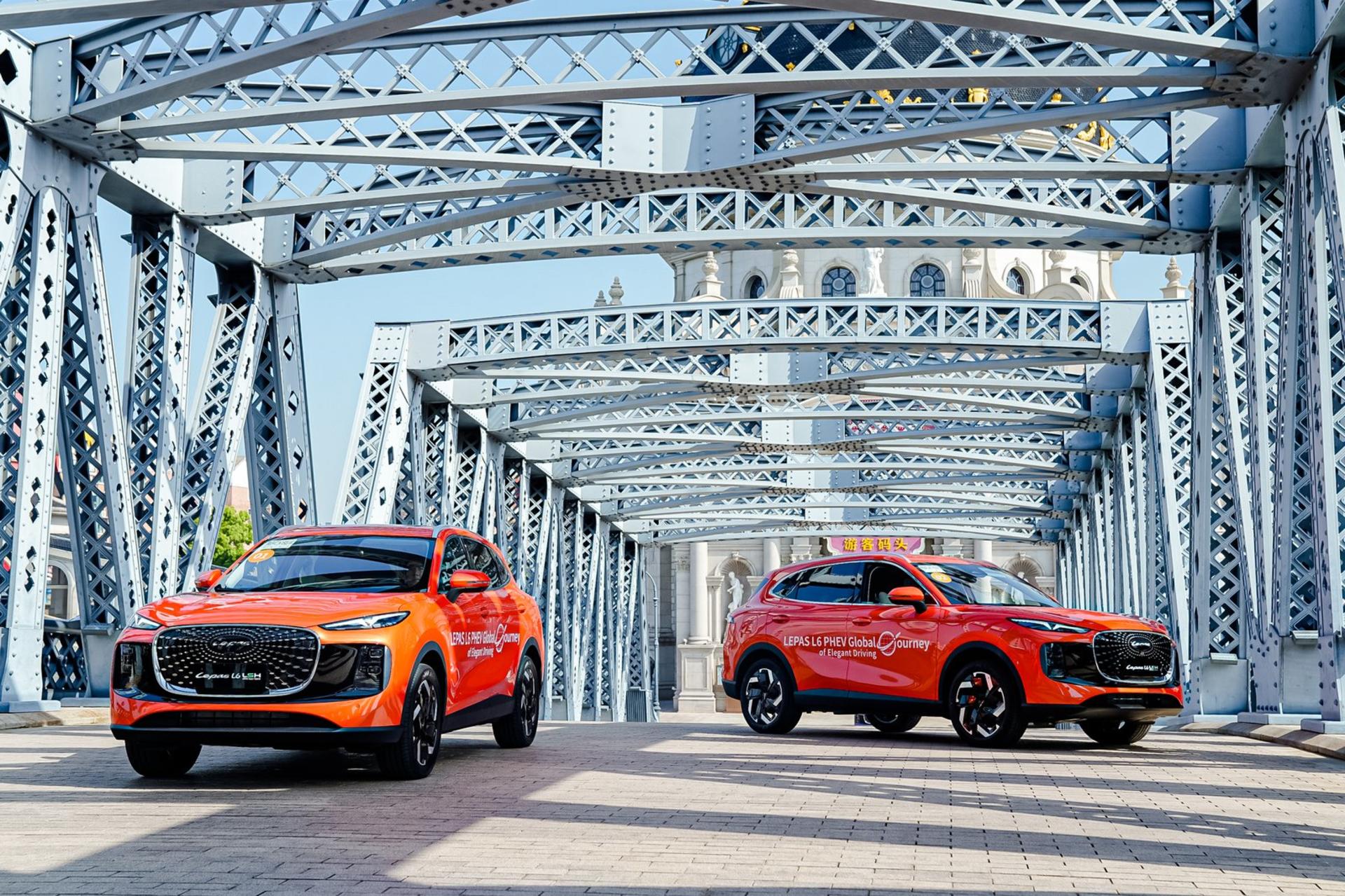
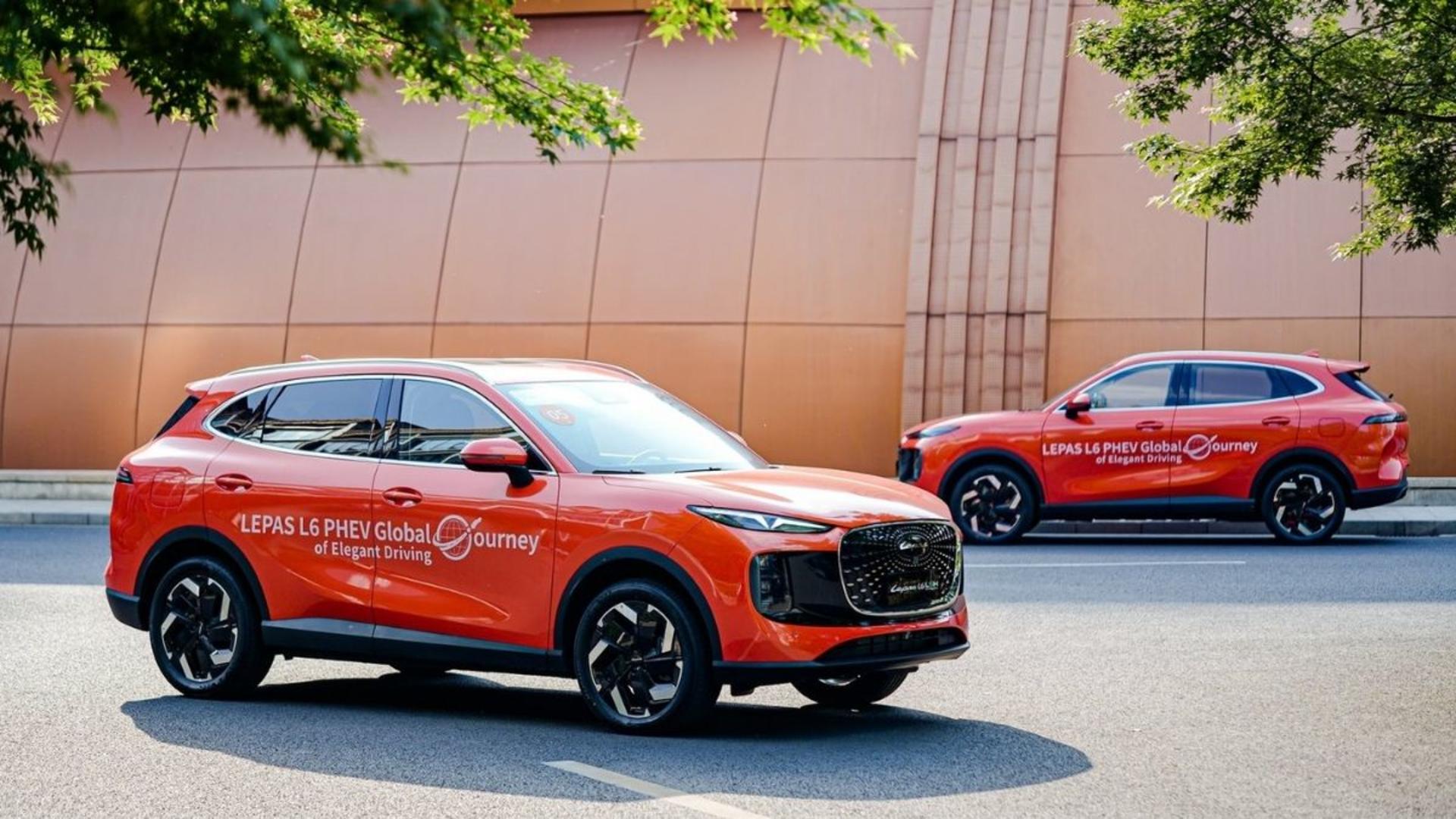
Lepas is Chery Group's newest and most premium sub-brand, sitting above the value-focused Chery lineup, the sporty Omoda, and the outdoors-oriented Jaecoo. The L6 is the brand's mid-size SUV, broadly comparable in footprint to a Toyota RAV4, and built on Chery's new LEX platform. It will arrive in Australia in late 2026 in full electric variants and 2027 in plug-in hybrid variants, sold through a dedicated showroom network separate from Chery, Omoda and Jaecoo dealers.
The PHEV pairs a 1.5-litre turbocharged direct-injection petrol engine producing 105kW with a 150kW electric motor, for a combined output of 205kW and 365Nm. Lepas claims an electric-only range of around 90 kilometres on WLTP testing from an 18.4kWh battery, and a total combined driving range exceeding 1,100 kilometres. Fuel consumption with a depleted battery came in at a real-world 5.2L/100km during my testing in China, which is strong competition for existing hybrid only players in the segment. Pricing remains unconfirmed but is expected to land at roughly five per cent above equivalent Chery models, pointing to somewhere in the low-$40,000 drive-away range.
Lepas L6 Exterior Design: Does it Stand Out From Other Chinese SUVs?
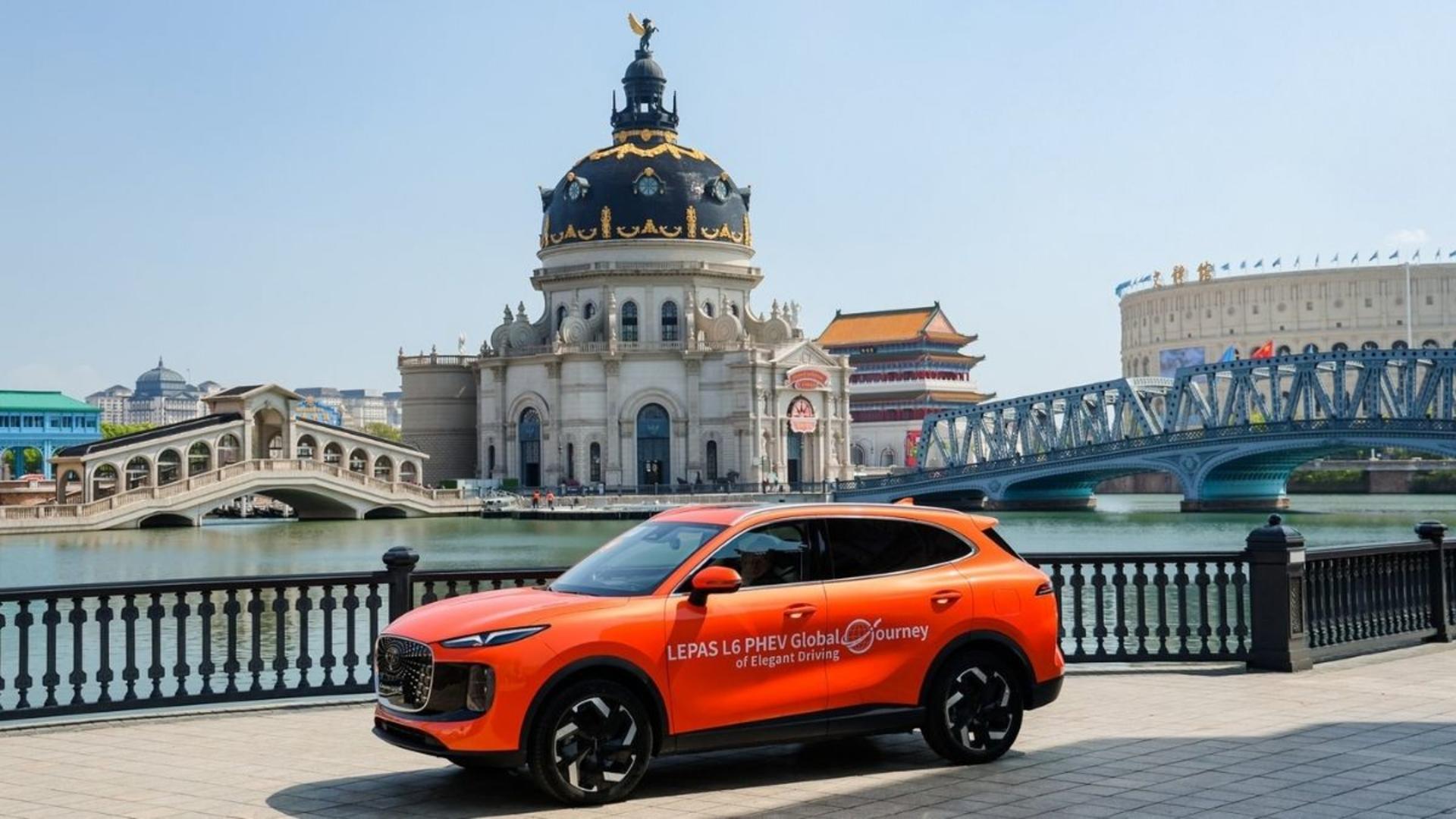
The Lepas design language carries the brand name "Leopard Aesthetics," and it is a description that only partly delivers on the brief. The overall silhouette is clean and curvaceous, European in character, and broadly inoffensive. It is competent and contemporary without being particularly memorable.
But spend time at the front end and something more interesting reveals itself. The "Hunting Eye" LED headlights carry a latent sharpness, almost a hidden aggression that the rest of the car's polished, mainstream-friendly surfaces do not prepare you for. There is a genuine promise here of a car that could cut through, rather than merely blend in.
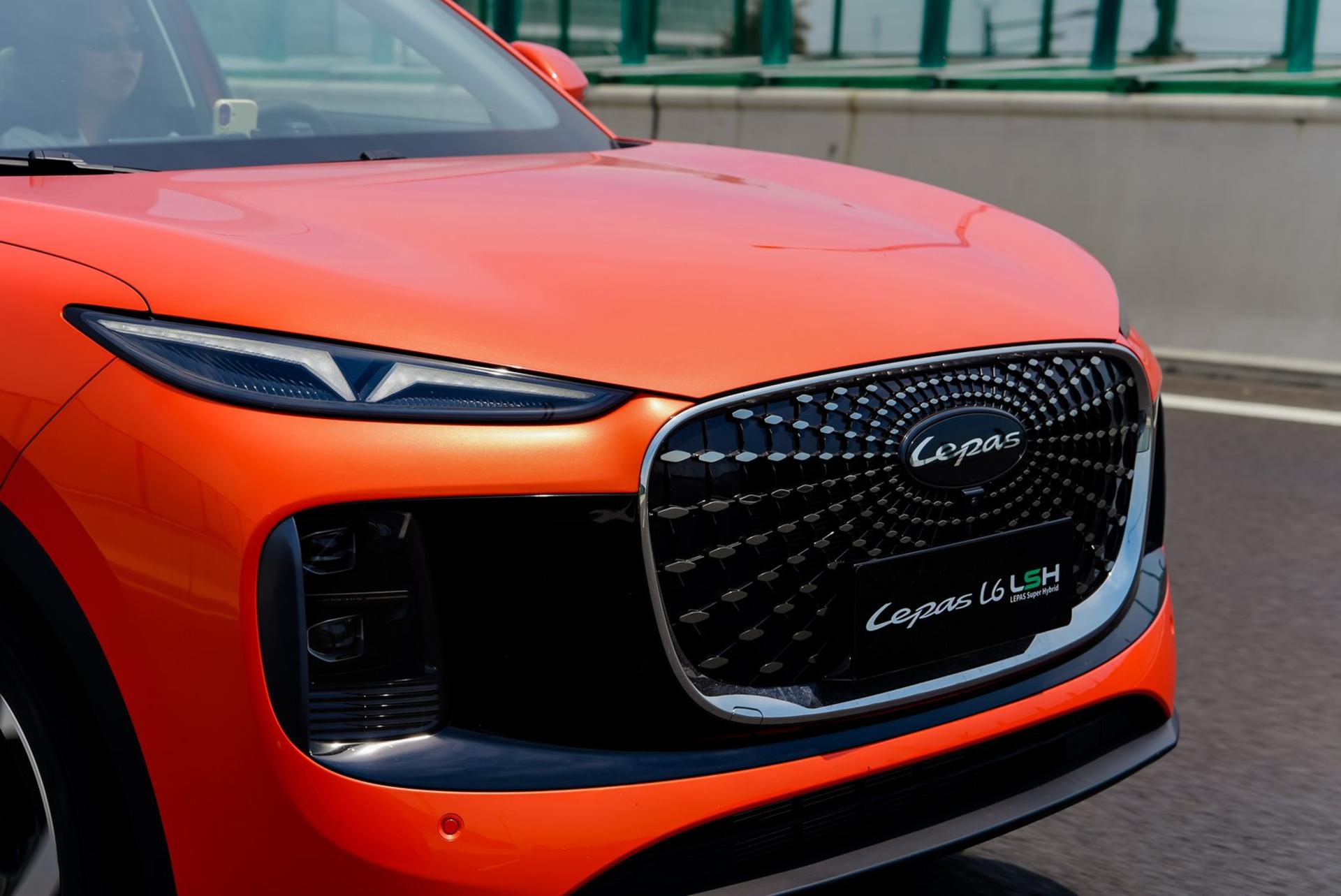
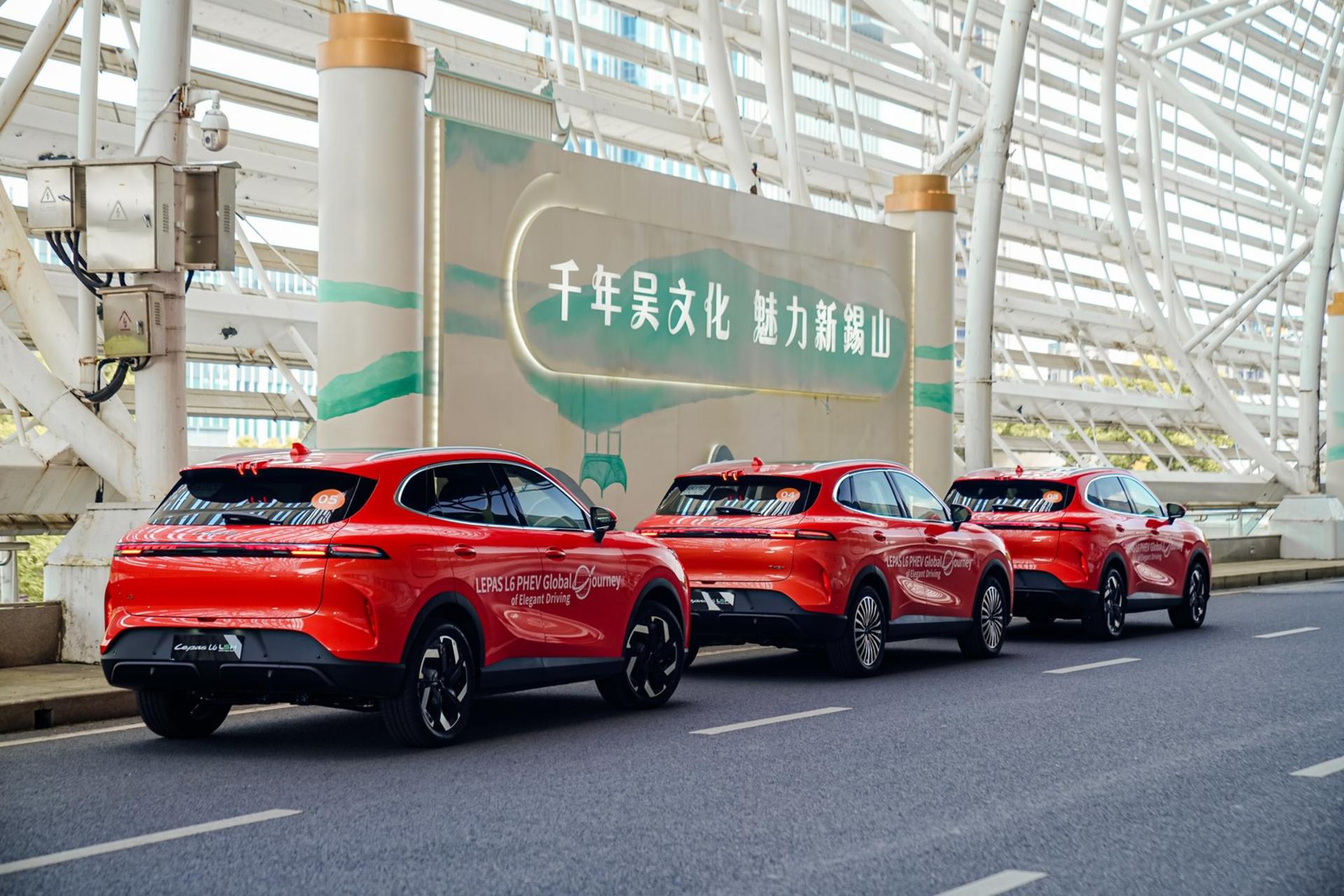
The grille and badge however, work against it. At first glance the front reads as unmistakably a Chery with a new logo, and for a brand asking buyers to pay a premium over its sister labels, that visual association complicates the pitch. The EV variant's badge treatment is considerably more resolved. If Lepas were to update the grille and badging to better suit the identity the brand is trying to establish (and to actually match the aggressive headlights), the design case becomes meaningfully stronger. The pearlescent orange of our test car was a very welcome counterpoint to the sea of white, silver and grey that every brand now seems to default to. Here is hoping those bolder colour choices make it to Australia unchanged.
Lepas L6 Interior Quality: How Does it Compare to Rivals Like the Geely Starray EM-i?


The interior is modern, well-lit and thoughtfully laid out in broad terms. A 13.2-inch portrait touchscreen responds crisply, wireless Apple CarPlay and Android Auto are standard (although we experienced pairing issues in our test car that took 5-10 minutes to work through), and the Sony audio system is a genuine quality addition.
There is dual-zone climate control, a panoramic sunroof with electric sunshade, ambient lighting, and the kind of features list that buyers at this price point have come to expect from Chinese brands. Physical buttons are scarce, with just a single row beneath the screen covering the essential functions, but the shortcut system is manageable once you are familiar with it.
The steering wheel is shared with Chery models, and the general architecture borrows heavily from the wider Chery Group parts bin. Tape over the badges and the interior could plausibly belong to several other vehicles in this ecosystem. That is not a fatal problem at this price point, but it is a noticeable one when the brand positioning asks buyers to see Lepas as something more elevated.
The Turkish-specification model used for this road trip between Wuhu and Wuxi felt a step behind the most recent Chery Group models available in Australia, despite the stated five per cent premium. Soft-touch materials on the doors and dashboard are pleasant enough and the pill-shaped door speakers are a nice detail, but some of the trim finishes lack the conviction the price positioning implies. The Geely Starray EM-i remains the interior benchmark in this segment for genuine quality at a competitive price. The L6 PHEV, as tested, does not match it.
To the brand's credit, the Lepas team has been receptive and engaged since our return to Australia. There have been genuine ongoing conversations about interior quality improvements based on feedback from this trip, and that willingness to iterate before the market launch is a more encouraging sign than it might initially appear.
Lepas L6 Rear Seat Space and Passenger Comfort: Better Than a Toyota Corolla Cross Hybrid?
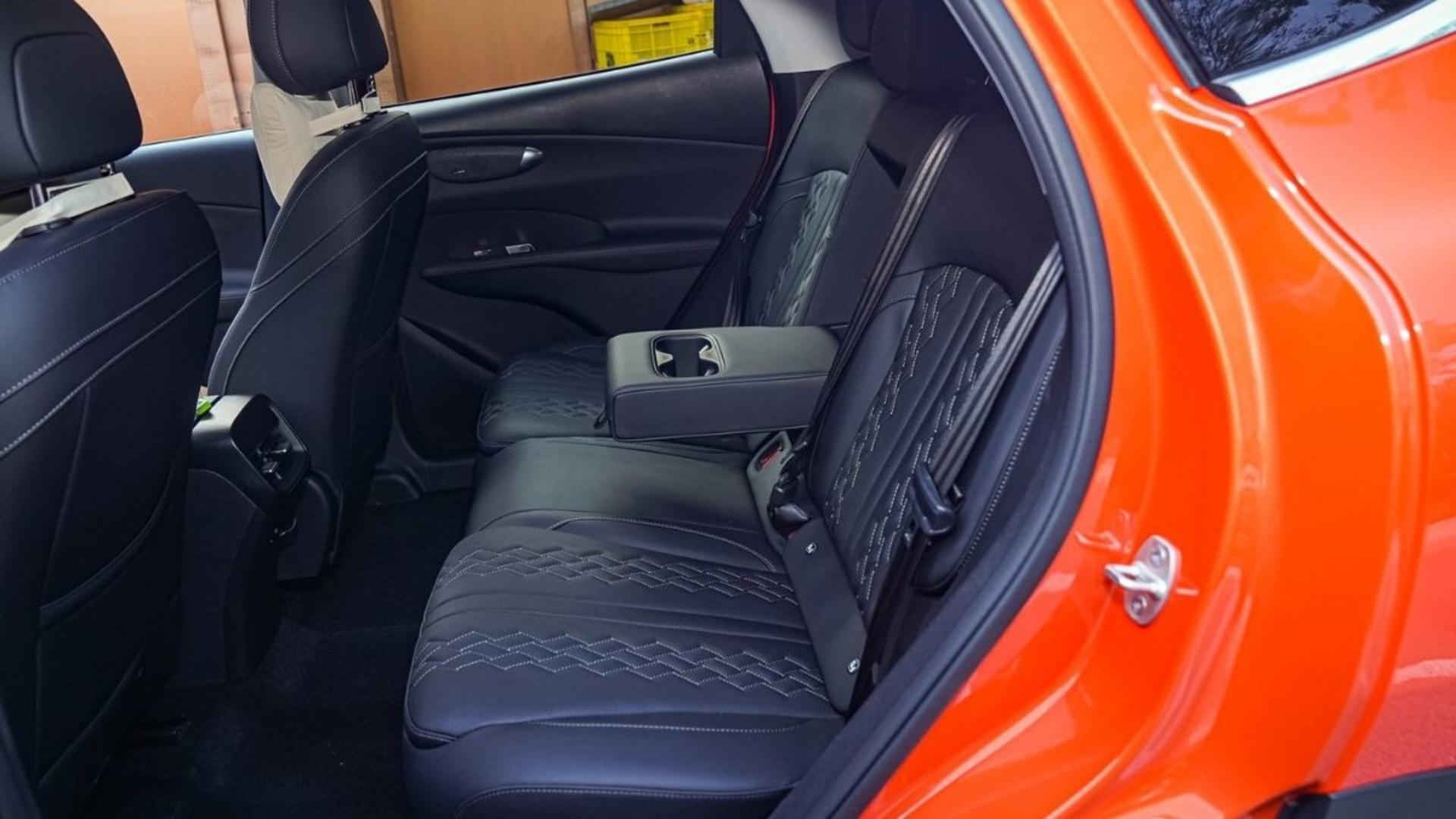
The rear seat is where the L6 makes its most convincing argument. At 5'10" and spending more than 300 kilometres as a back-seat passenger, the legroom and comfort were genuinely impressive. The L6 sits in an interesting size bracket, larger than the Toyota Corolla Cross Hybrid but smaller than the RAV4 Hybrid, yet because it is built on a dedicated PHEV and EV platform rather than an adapted petrol architecture, it delivers better rear seat legroom than either Toyota. That is a meaningful packaging win, and one that buyers cross-shopping in this segment will notice immediately.
Over extended periods of phone and laptop use in the back seat, there was no nausea or motion sickness, which is worth noting specifically. A short run from Sydney Airport to Moorebank in an Uber can sometimes leave me feeling unsettled if I use my phone throughout, though this might just be our drivers in Australia. The L6 did not have that effect, even across long stretches. For rear passengers who work on the move or kids on devices, that is a meaningful differentiator.
What is the Lepas L6 PHEV Like to Drive?
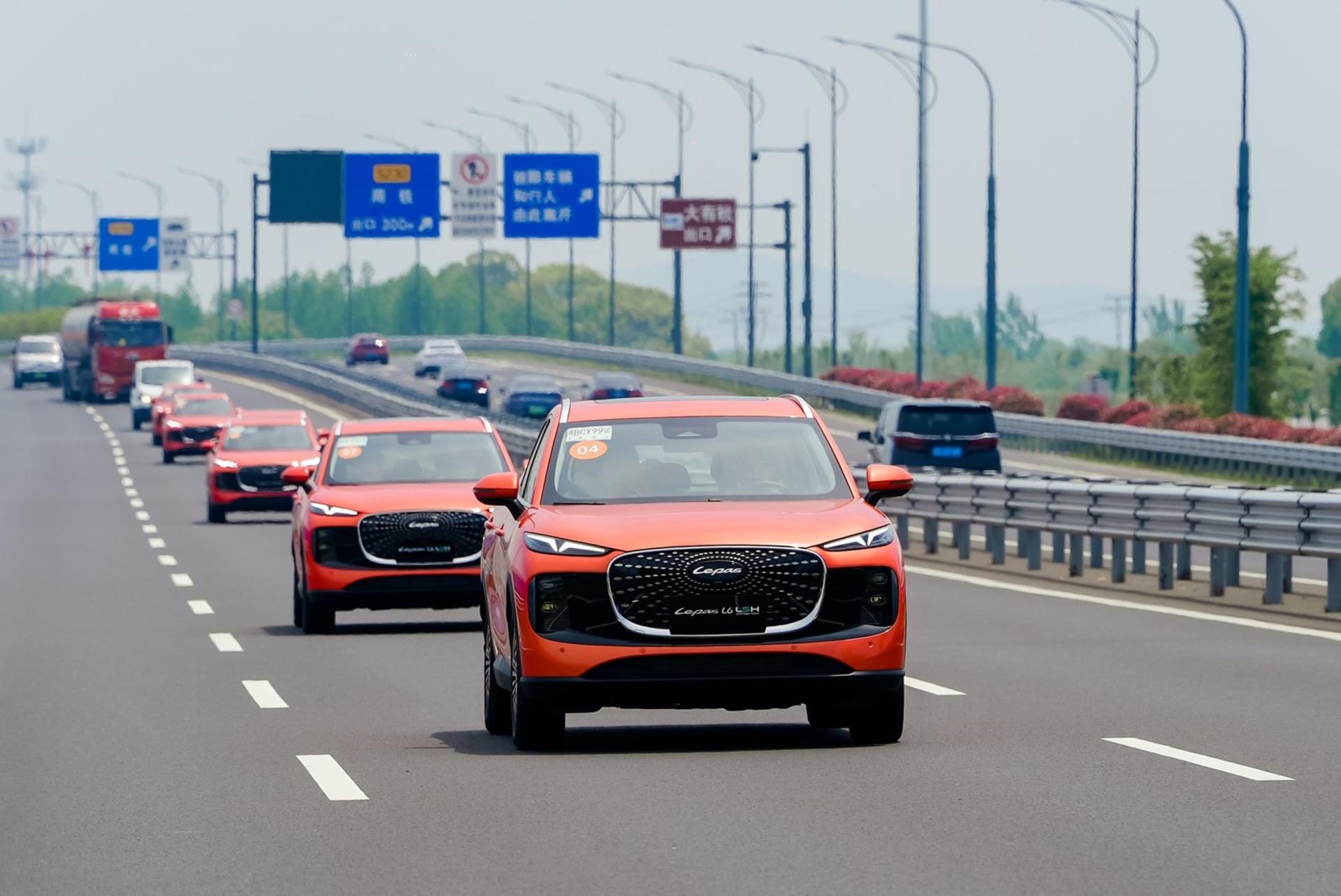
The L6 PHEV is smooth on the move. The hand-off between electric and petrol power is seamless in normal driving, and you would have to be paying close attention to catch it switching. Performance is genuinely spirited, 205kW is a real-world figure here, and the car feels it. There are moments under hard acceleration where putting that power down cleanly is a work in progress, with the front tyres occasionally working harder than they need to before grip takes over, but in everyday driving the response is more than adequate.
The cabin is notably quiet at highway speeds, which is one of the L6's stronger attributes against non-hybrid rivals in the segment.
For the most part across the Wuhu-to-Wuxi route, the ride was comfortable and composed. Chinese main roads are well-surfaced by any standard, which does flatter the car, but the suspension soaks up long-distance motorway driving with genuine ease. In urban conditions the character shifted. Over sharper intrusions and through busier stop-start traffic, the suspension occasionally tipped into a softness that felt slightly unresolved, a moment or two of that slightly disconnected composure that is common to this generation of Chinese SUVs in city driving. It is not dramatic, but it is there.
The steering is very light in Comfort mode and gains only a modest amount of weight in Sport. It does the job and is never a problem in everyday driving, but it lacks feel and will not satisfy anyone looking for engagement. There is also an occasional thump from the drivetrain under light throttle at speed, a known characteristic that other reviewers have noted from the PHEV system.
A dedicated suspension tune for Australian roads has been discussed, which should address some of the urban ride tendencies on our considerably less forgiving surfaces.
Lepas L6 PHEV Fuel Consumption and Electric Range: Real-World Figures
Having spent more than 3,000 kilometres this year testing Chery Group's super-hybrid and full EV technology across multiple models, the L6 PHEV fits the established pattern: capable, efficient, and more convincing than many Australian buyers will expect. The LEX platform is a genuine step forward in terms of structural rigidity and electrification architecture. Real-world fuel consumption in the low single digits when running on charge is achievable, and the claimed 90-kilometre electric range covers the daily driving needs of most Australian households without touching the fuel tank. With the battery depleted and the car running as a conventional hybrid, 5.2L/100km is a real and repeatable number.
The hybrid system works with the kind of smoothness that took Japanese brands years to perfect. Chery and Made in China no longer mean cheap and nasty, and the L6's powertrain makes that case convincingly.
Should You Buy a Lepas L6 PHEV? Our Verdict
Lepas has a more interesting opportunity than simply being another Chinese brand arriving in Australia. The rear-seat comfort and space are genuine differentiators. The hybrid technology is strong. The headlights suggest a design team capable of something distinctive. And the brand is listening to feedback before it launches, which in this market matters.
The question is whether Lepas invests where it counts. A premium interior that genuinely justifies the price step over Chery and Jaecoo would do far more for the brand's credibility than chasing technology gimmicks that most owners rarely use. The grille and badge need to find their own identity separate from the Chery visual vocabulary. If those two things happen alongside a proper Australian suspension tune, the L6 PHEV has a real case as a disruptive option in the $40,000-plus PHEV segment.
The Lepas name is unknown and unconventional in Australia. But there is comfort in knowing the brand is backed by China's largest vehicle exporter over more than two decades, and a parent company that is winning buyers across Australia every single day.
Would I buy one? Yes, but not with that grille and badge in their current form. Not without an interior upgrade that closes the gap on the premium the brand is asking for. The foundation is solid. The technology works. Now they need to finish the job.
More to come when Australian specifications are confirmed and we get the L6 on local roads.
What Are The Lepas L6 PHEV & EV Specifications
| Specification | Lepas L6 PHEV | Lepas L6 EV |
|---|---|---|
| Engine | 1.5-litre four-cylinder turbo petrol + electric motor | Single electric motor |
| Combined Power | 205kW | 178kW |
| Combined Torque | 365Nm | 275Nm |
| Electric-Only Range | Approx. 90km (WLTP) / 105km (NEDC) | Approx. 450km (WLTP) |
| Total Combined Range | 1,100km+ | N/A |
| Battery Capacity | 18.4kWh | 67.1kWh (LFP) |
| Fuel Consumption | 5.2L/100km (battery depleted) | N/A |
| Drive Type | Front-wheel drive | Front-wheel drive |
| Transmission | Hybrid automatic | Single-speed |
| Length | 4,554mm | 4,554mm |
| Width | 1,852mm | 1,852mm |
| Height | 1,682mm | 1,682mm |
| Wheelbase | 2,700mm | 2,700mm |
| Seating | 5 | 5 |
| Platform | Chery LEX | Chery LEX |
| Est. Australian Price | Approx. $40,000-$45,000 drive-away | Approx. $50,000 drive-away |