
6 Best EVs Under $40,000 in Australia (2026)
Electric vehicles have arrived at a price point that genuinely competes with the mainstream. For the first time in Australian automotive history, you can walk into a dealership, hand over less than $40,000, and drive away in a brand-new electric car that comes fully loaded with modern safety technology, a usable range for everyday driving, and a warranty that gives you real peace of mind.
This is not a compromise. The five vehicles below represent the sharpest value propositions in the current Australian EV market. Whether you are a first-time buyer, a commuter looking to slash fuel costs, or a small family in need of a practical runaround, there is something here for you.
All prices listed are manufacturer's recommended retail pricing before on-road costs (ORC) unless stated as drive away. On-road costs vary by state and territory, so always confirm the drive away figure with your local dealer.
Looking for a deal on a new EV? Why not try our DriveWise Buy service and save!
1. BYD Dolphin Essential
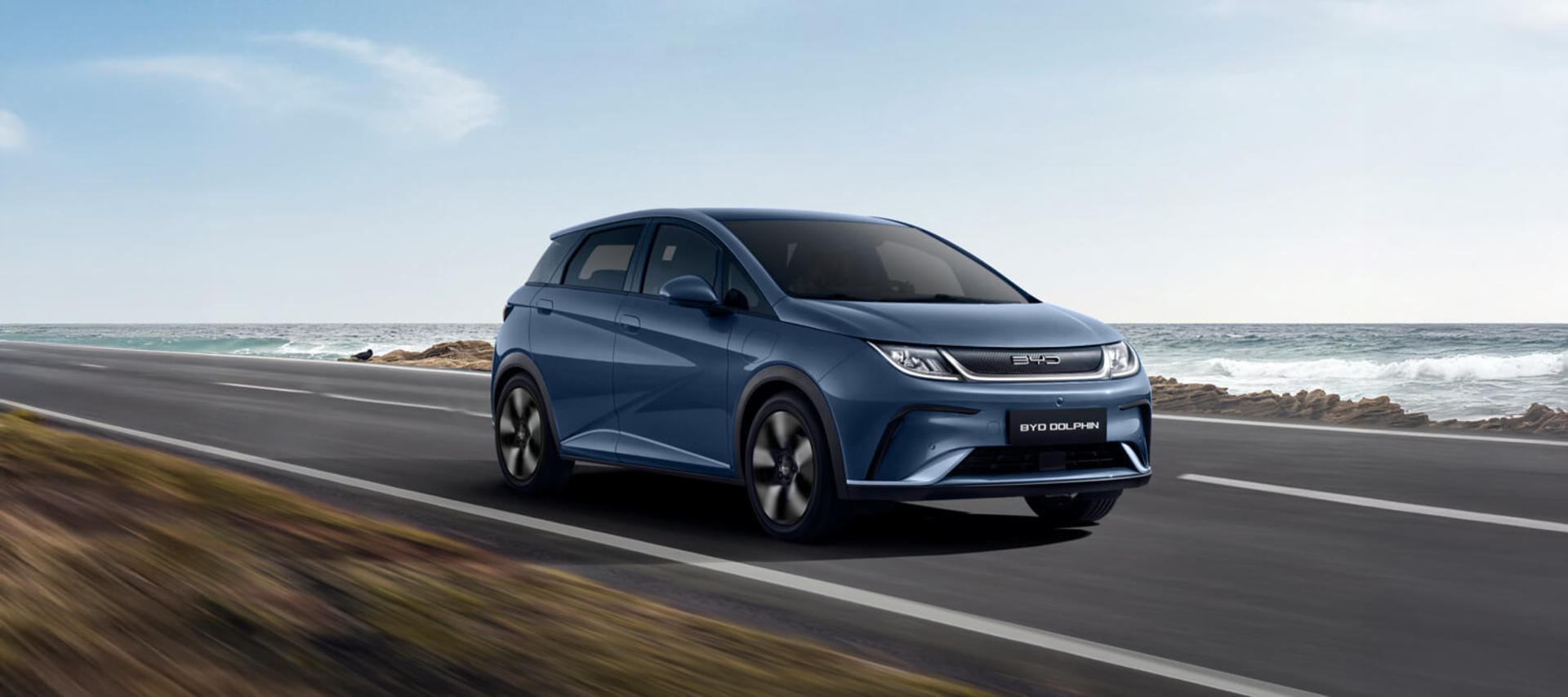
Price from: $29,990 + ORC
The BYD Dolphin represents a genuine watershed moment for affordable EVs in Australia. Built on BYD's dedicated e-Platform 3.0, it brings proper EV hardware, including BYD's proprietary Blade Battery technology using lithium-iron-phosphate (LFP) chemistry, to a price that would have been unthinkable just two years ago.
The Essential variant uses a 44.9kWh battery delivering a claimed WLTP range of 340km, paired with a 70kW/180Nm front-mounted motor. That range is more than adequate for the daily commutes and weekend errands that make up the majority of Australian driving. The Premium variant steps up to a 60.4kWh battery, a more powerful 150kW/310Nm motor, and a longer 427km WLTP range, sitting just below the $40,000 mark.
Inside, the Dolphin features a 12.8-inch rotating infotainment display with Apple CarPlay and satellite navigation on the Premium. Ergonomically shaped front seats, a 345-litre boot (expanding to 1,310 litres with the rear seats folded), and keyless entry round out a package that feels several rungs above its price tag. DC fast-charging tops out at 88kW, taking the battery from 10 to 80 per cent in approximately 40 minutes.
On safety, the Dolphin comes equipped with automatic emergency braking, lane-keep assist, adaptive cruise control, and a 360-degree camera system. It is a comprehensive active safety suite that does not require you to tick expensive option boxes.
Key Specifications
| Specification | Detail |
|---|---|
| Battery | 44.9kWh (Essential) / 60.4kWh (Premium) |
| WLTP Range | 340km (Essential) / 427km (Premium) |
| Power/Torque | 70kW/180Nm (Essential) / 150kW/310Nm (Premium) |
| DC Fast Charge | Up to 88kW (10-80% in approx. 40 min) |
| Boot Space | 345L (seats up) / 1,310L (seats folded) |
| Warranty | 6 years/150,000km vehicle; 8 years battery |
Best for: Daily commuters, small families, first-time EV buyers who want proven technology without paying a premium.
2. BYD Atto 2

Price from: $31,990 + ORC
The Atto 2 is the most significant development in the affordable Australian EV market in recent memory. As the country's cheapest electric SUV, it delivers genuine SUV practicality, including elevated ride height, a spacious cabin, and a proper boot, at a price that undercuts many petrol hatchbacks in the same segment.
Both the Dynamic and Premium variants use BYD's Blade Battery in a 51.3kWh configuration, delivering a WLTP range of 345km. Power comes from a 130kW/290Nm motor, giving the Atto 2 a 0-100km/h time of around 8.5 seconds. That is brisk enough for confident freeway merges and overtaking manoeuvres without ever feeling strained. DC fast-charging peaks at 82kW, completing a 10 to 80 per cent top-up in approximately 39 minutes.
The interior offers 380 litres of boot space with seats up, expanding to an impressive 1,320 litres with the rear bench folded flat, making it genuinely useful for family duties. Both variants include a full driver-assistance suite, a 10.1-inch infotainment system with wireless Apple CarPlay, and BYD's DiLink connectivity platform. The Premium adds a panoramic sunroof, heated front seats, and a 360-degree camera.
The Atto 2 has been specifically tuned for Australian road conditions, with BYD conducting dedicated suspension and ADAS calibration work for local use, which is reassuring for buyers concerned about a new nameplate.
Key Specifications
| Specification | Detail |
|---|---|
| Battery | 51.3kWh |
| WLTP Range | 345km |
| Power/Torque | 130kW/290Nm |
| DC Fast Charge | Up to 82kW (10-80% in approx. 39 min) |
| Boot Space | 380L (seats up) / 1,320L (seats folded) |
| Warranty | 6 years/150,000km vehicle; 8 years battery |
Best for: Small families, buyers upgrading from a hatchback who want SUV practicality without an SUV price.
3. GWM Ora
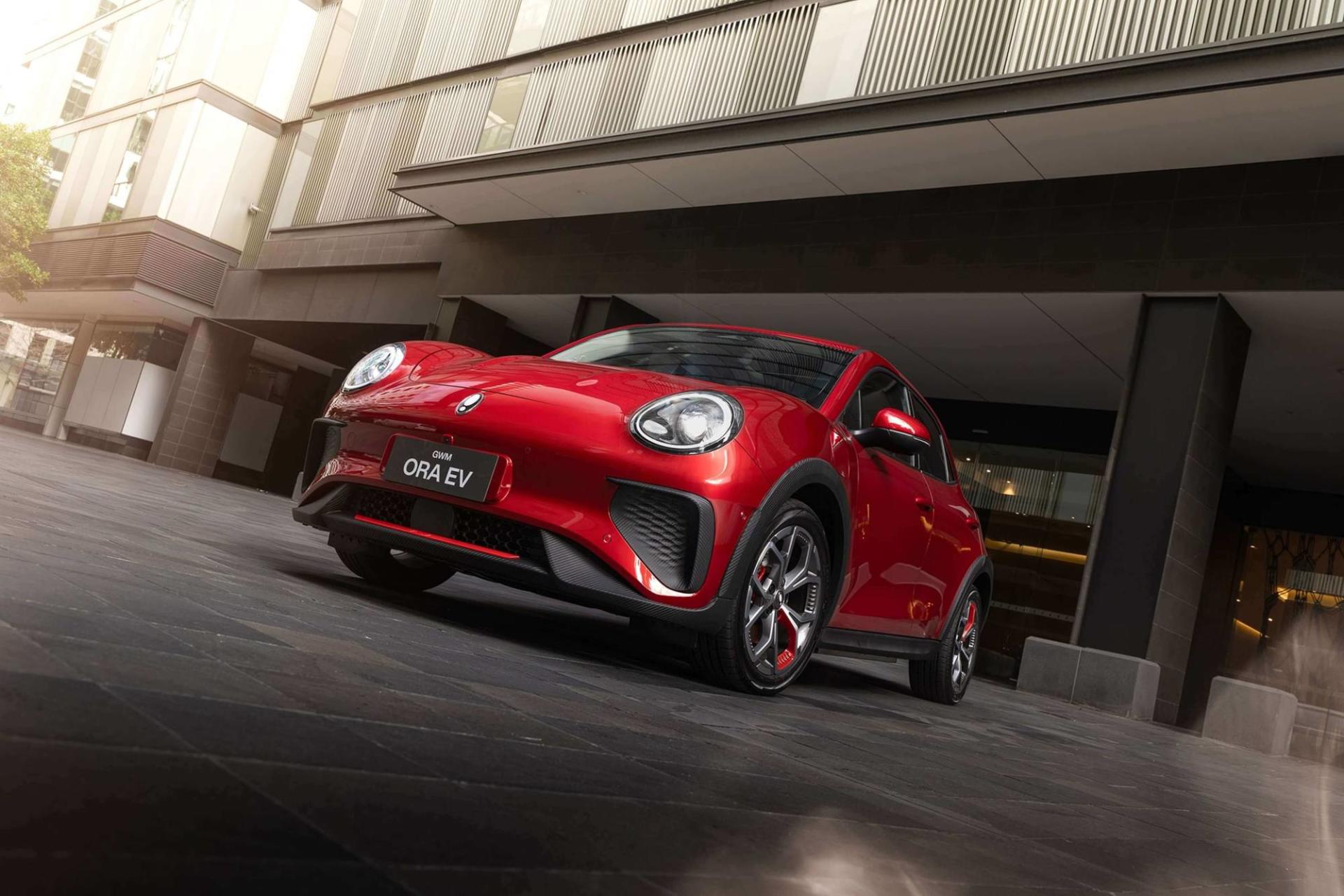
Price from: $35,990 Drive Away (March 2026)
The GWM Ora occupies a unique space in the affordable EV segment. While its rivals lean into clean, functional design, the Ora has a distinctive retro styling cue that makes it genuinely eye-catching on Australian roads. More importantly, beneath that approachable exterior sits a comprehensively updated EV package that offers genuinely impressive value.
The 2026 model year Ora received a meaningful upgrade, moving to a new 57.7kWh LFP battery pack for a claimed WLTP range of 400km. That is a significant improvement over the previous generation and comfortably exceeds what most Australians will need for a week's worth of driving between charges. The 126kW/250Nm front-mounted motor keeps performance lively, and the addition of vehicle-to-load (V2L) functionality means the Ora can export power to charge other devices, a genuinely useful feature for camping, events, or power outages.
The updated Ora is now manufactured in Thailand for the Australian market and benefits from a heat pump air-conditioning system, which significantly improves efficiency in cooler weather compared to a conventional resistive heater. Inside, faux leather power seats, a well-equipped infotainment system, and a comprehensive driver-assist package make the cabin feel more premium than the price suggests. A seven-year warranty adds further peace of mind.
Key Specifications
| Specification | Detail |
|---|---|
| Battery | 57.7kWh LFP |
| WLTP Range | 400km |
| Power/Torque | 126kW/250Nm |
| Notable Features | Heat pump A/C, V2L functionality |
| Warranty | 7 years vehicle |
Best for: Buyers who want a point of difference on the road, plus those who camp, caravanning, or run power tools from their car.
4. MG4 Excite 51
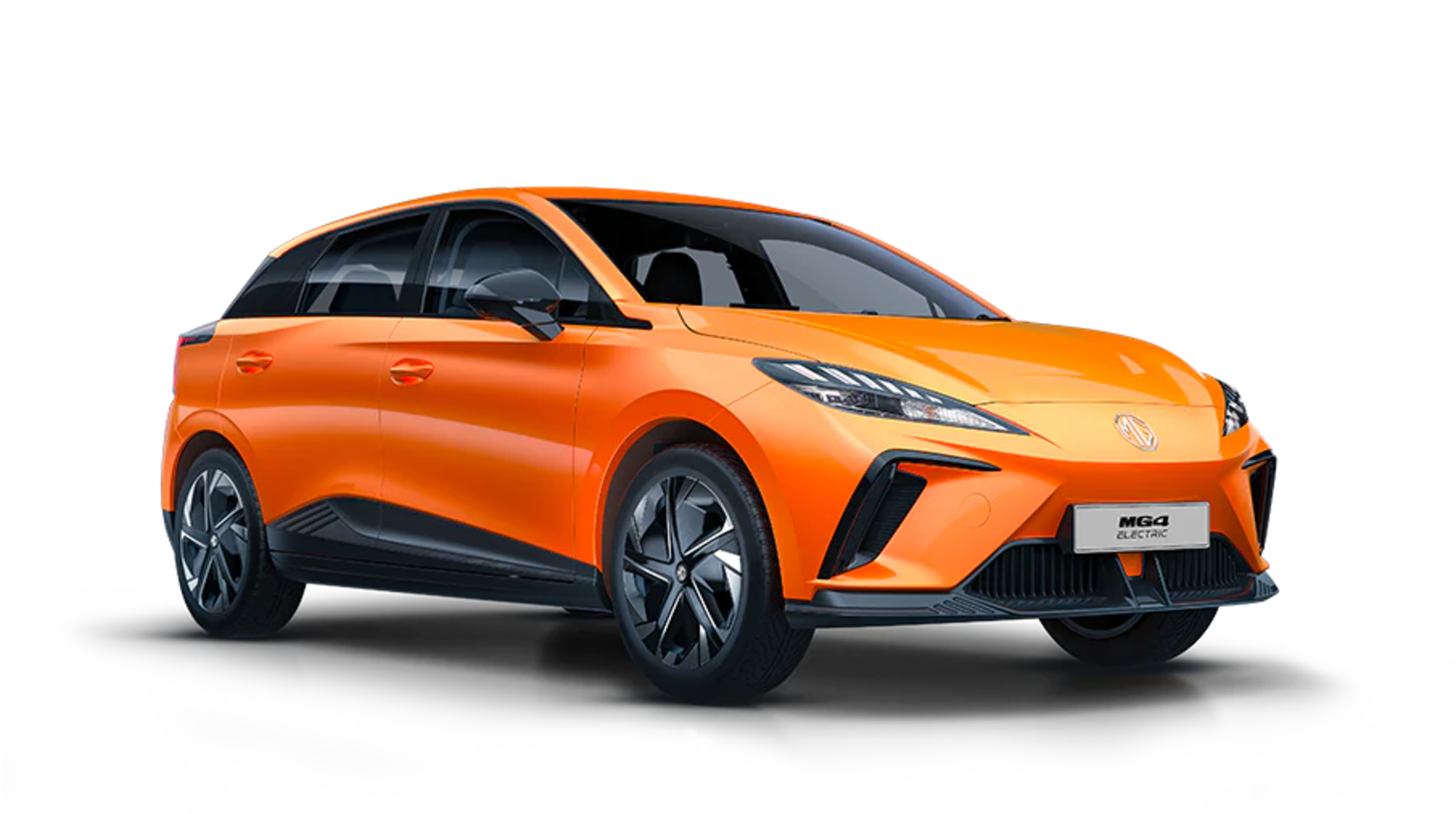
Price from: $37,990 Drive Away (as at early 2026)
The MG4 has been one of the most talked-about affordable EVs since its Australian launch, and for good reason. It is built on a dedicated EV platform, rather than being adapted from a petrol vehicle, and that shows in how it drives. The rear-wheel-drive layout, a rarity at this price point, contributes to a handling balance that feels more composed and engaging than most rivals.
The Excite 51 uses a 51kWh battery with a 50.8kWh usable capacity, delivering 345km of WLTP range from a 125kW/250Nm rear motor. The 0-100km/h sprint takes 7.7 seconds, which feels genuinely sprightly in day-to-day driving. DC fast-charging peaks at 88kW, achieving a 10 to 80 per cent charge in approximately 37 minutes. Home charging via AC tops out at 6.6kW.
MG's standout offering at this price point is its warranty: seven years as standard, with the option to extend to 10 years and 250,000km if serviced through an authorised MG dealer. That is the best new car warranty coverage available in Australia, and it removes a significant concern for buyers uncertain about EV long-term reliability. Safety credentials are equally strong, with the MG4 holding a 5-star ANCAP rating.
The interior is functional rather than luxurious, with a 10.25-inch infotainment system and a 7-inch digital instrument cluster. Boot space is 363 litres with seats up, expanding to 1,177 litres flat. The wheelbase of 2,705mm provides generous rear legroom for a vehicle of this size.
Key Specifications
| Specification | Detail |
|---|---|
| Battery | 51kWh (50.8kWh usable) |
| WLTP Range | 345km |
| Power/Torque | 125kW/250Nm (rear-wheel drive) |
| DC Fast Charge | Up to 88kW (10-80% in approx. 37 min) |
| ANCAP Rating | 5 stars |
| Warranty | 7 years (extendable to 10 years/250,000km) |
Best for: Drivers who value handling and driving engagement, buyers who want the longest available new car warranty, and safety-conscious purchasers.
5. Jaecoo J5 EV
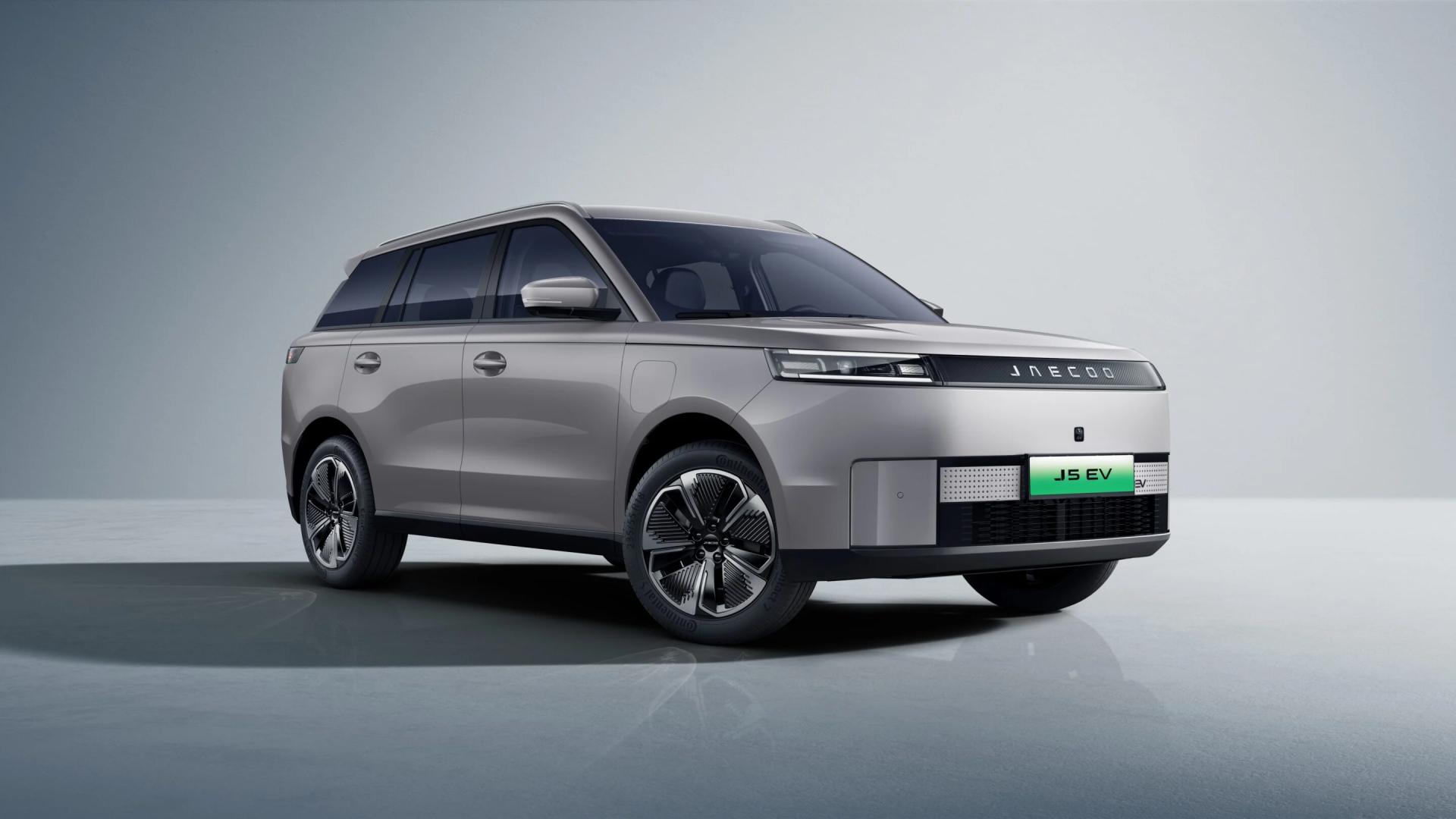
Price from: $36,990 Drive Away (March 2026)
If one vehicle in this segment deserves the title of best value, the Jaecoo J5 EV makes the strongest case. Jaecoo is the premium arm of Chery, one of China's largest and most established automotive groups, and the J5 arrives in Australia punching well above its price in virtually every measurable category.
The numbers are what stop you in your tracks. A 155kW electric motor, a 58.9kWh LFP battery, 402km of WLTP range, and DC fast-charging at up to 130kW, completing a 30 to 80 per cent top-up in approximately 28 minutes. That charging speed is faster than anything else on this list and rivals vehicles costing considerably more. AC three-phase charging at 10.3kW is similarly ahead of the class for home top-ups.
Step inside and the value case becomes even more compelling. The J5 EV's interior feels genuinely premium: synthetic leather upholstery, heated and ventilated front seats, a 13.2-inch infotainment display with wireless Apple CarPlay and Android Auto, dual-zone climate control, ambient lighting, a 50-watt wireless phone charger, and a 360-degree camera. This is not a cherry-picked list of features requiring an expensive option pack; it is standard equipment. At this price, that is remarkable.
Boot space of 384 litres to the cargo cover and 480 litres to the roof is competitive, and a full ADAS suite including automatic emergency braking, adaptive cruise control, and lane-keep assist completes a package that would be competitive at $10,000 more than its asking price.
Key Specifications
| Specification | Detail |
|---|---|
| Battery | 58.9kWh LFP |
| WLTP Range | 402km |
| Power | 155kW |
| DC Fast Charge | Up to 130kW (30-80% in approx. 28 min) |
| AC Home Charge | 10.3kW (3-phase) |
| Boot Space | 384L / 480L |
Best for: Buyers who want the most specification per dollar in this price bracket, particularly those prioritising range, fast charging, and interior quality.
6. Leapmotor B10
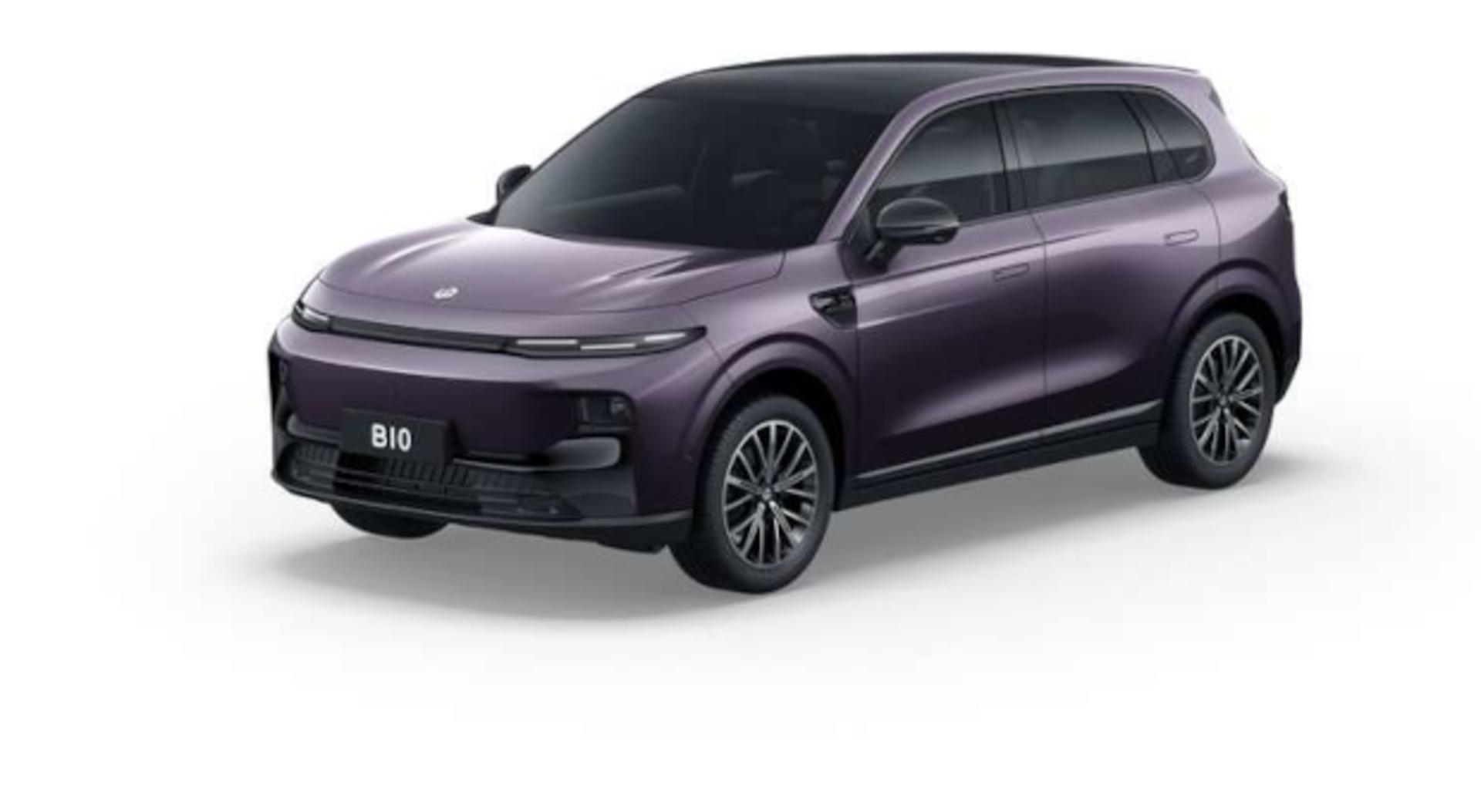
Price from: $38,990 Drive Away (March 2026)
The Leapmotor B10 is the newest entrant in this segment and, arguably, the most impressive one from a value-per-specification standpoint. Leapmotor, a Chinese brand with a growing global footprint via its partnership with Stellantis, has brought the B10 to Australia at an aggressive price point that packs in a surprising amount of content.
The rear-mounted 160kW/240Nm motor makes the B10 the most powerful vehicle on this list on paper, and its estimated driveaway pricing in the sub-$40,000 range makes it remarkable value. A 69.9kWh battery delivers a claimed WLTP range of 434km, which is among the best in this category and addresses range anxiety concerns head-on.
Leapmotor's Stellantis partnership means the B10 is sold through a dealer network with European parent-company backing, which provides a level of after-sales confidence that some buyers may find reassuring compared to newer, standalone Chinese brands. Standard equipment includes a comprehensive ADAS suite, a large infotainment screen, and a modern, clean interior design.
The B10 is the dark horse of this segment. If final pricing holds firm and the dealer experience proves consistent, it has the potential to become the default recommendation in this price bracket.
Key Specifications
| Specification | Detail |
|---|---|
| Battery | 69.9kWh |
| WLTP Range | 434km |
| Power/Torque | 160kW/240Nm (rear-wheel drive) |
| Distributor | Via Stellantis dealer network |
Best for: Buyers who want maximum range and power for the money, and those reassured by established European distribution.
Buying Tips: Getting the Most from Your Sub-$40,000 EV Budget
- Always confirm the driveaway price, not just the manufacturer's list price. On-road costs, including stamp duty, registration, and CTP insurance, vary significantly by state and can add $3,000 to $5,000 to the advertised price.
- Check for dealer demonstrator availability. Many dealers have ex-demo models with fewer than 2,000km on the odometer available at meaningful discounts below the new car price.
- Consider a novated lease. For eligible employees, the federal FBT exemption for EVs under the Luxury Car Tax threshold (set at $91,387 for 2025-26) can make a $38,000 EV substantially cheaper in real after-tax terms than a $30,000 petrol car.
- Compare home charging options before purchase. Most EVs in this price bracket use 7.4kW AC charging as standard. Upgrading to a 7kW or 11kW home wall charger typically costs $800 to $1,500 installed and dramatically reduces overnight charge times.
- Check state-based incentives. While several state EV rebates have expired or wound down, reduced registration fees and stamp duty exemptions for zero-emission vehicles remain in force in several states and territories as at 2026. Verify with your state road authority.
The Verdict
The sub-$40,000 EV segment in Australia has genuinely arrived. Five years ago, this list would not have been possible. Today, buyers in this budget have access to vehicles with proper range, strong safety ratings, generous warranties, and driving experiences that do not feel like a compromise.
For most buyers, the BYD Dolphin is the outright recommendation on pure value. If you need an SUV body style, the BYD Atto 2 is exceptional at its price. If driving enjoyment and warranty length matter most, the MG4 Excite 51 is hard to argue with. If sheer specification-per-dollar is what you are after, the Jaecoo J5 EV is the standout of the entire list. If maximum range and power matter most, the Leapmotor B10 makes a compelling case.
Whichever you choose, running costs will be dramatically lower than an equivalent petrol vehicle, the safety technology on offer is genuinely class-leading for the price, and the ownership experience, charging infrastructure included, is better in 2026 than it has ever been.