
China Tops Japan, EVs Surge and Utes Rule: Australia's February 2026 Car Sales Decoded
Australia's new car market delivered a mixed bag in February 2026, with 94,131 vehicles sold - a 2.7% dip year-on-year that leaves the year-to-date tally running 1.3% behind the same point in 2025. On the surface it looks like a soft month, but dig beneath the headline number and you'll find a market undergoing a genuine structural shift: Chinese brands are reshaping the competitive landscape, electric vehicles are hitting their stride, and the trusty diesel ute is still king.
The Headwinds Holding the Market Back
February's modest decline wasn't a surprise to those watching the market closely. Dealerships are carrying an abundance of unsold, pre-registered demonstration vehicles, and both business and government fleet buyers remain in a cautious mood. Private buyers, meanwhile, are feeling the pinch of sustained interest rate pressure and real wage compression that has made discretionary big-ticket spending a tougher decision. None of these factors are new, but together they continue to put a ceiling on volume growth.
The one bright spot in terms of buyer segments? Rental car companies, which lifted purchases by 35.4% in February and are running 40.7% ahead of last year on a YTD basis. It appears rental fleets are seizing on the oversupply conditions to negotiate favourable deals — good news for their bottom line, less so for the broader market's health signals.
The Story of the Month: China Overtakes Japan
Perhaps the most significant structural development in February — and one that will define how we talk about the Australian car market going forward — is that China has overtaken Japan as Australia's largest source of new vehicles for the first time. Chinese-made cars accounted for 27.4% of February sales, ahead of Japan at 23%, Thailand at 20.7% and Korea at 12.7%. On a YTD basis, China has now sold 46,041 units compared to Japan's 44,614.
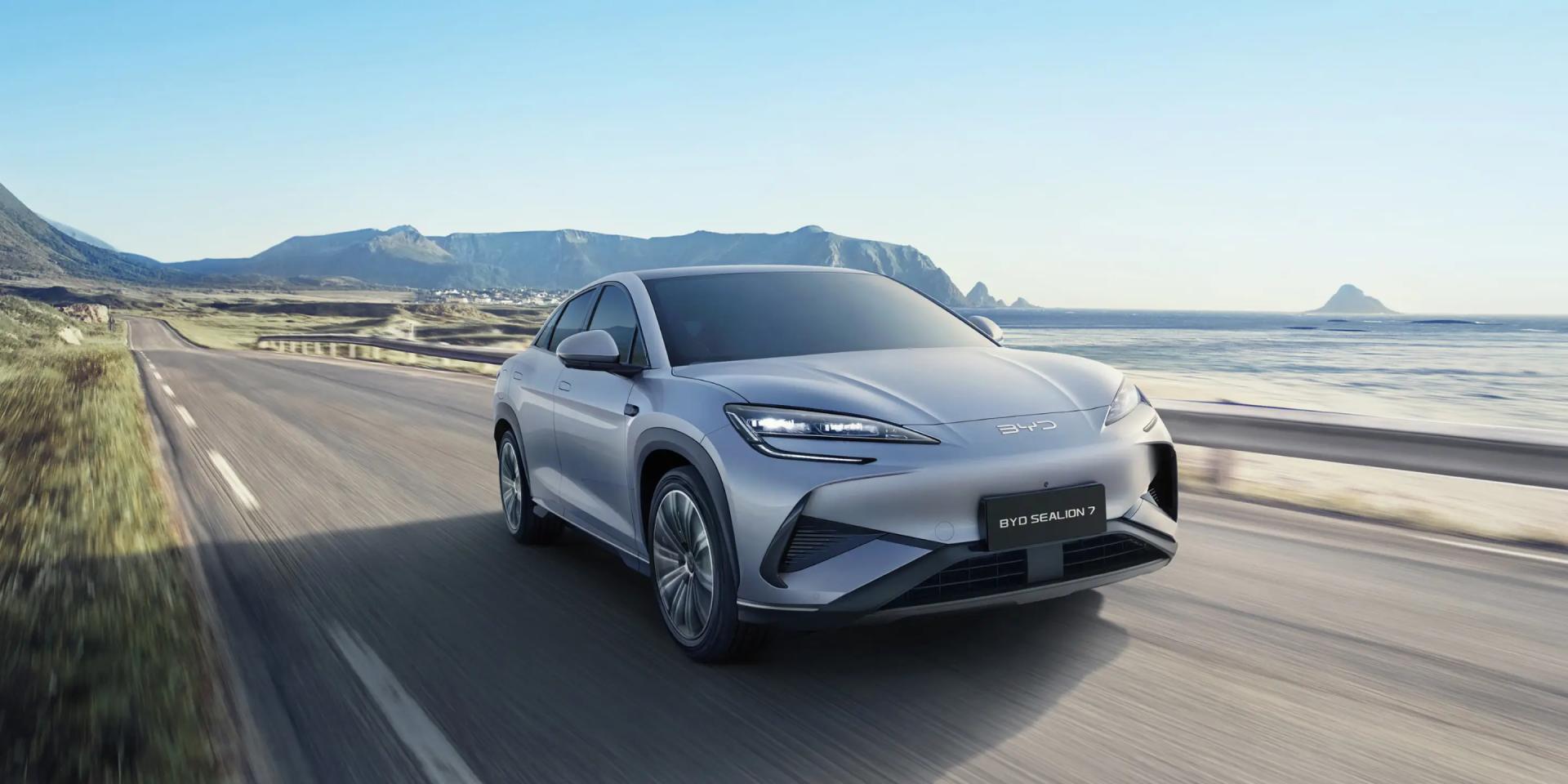
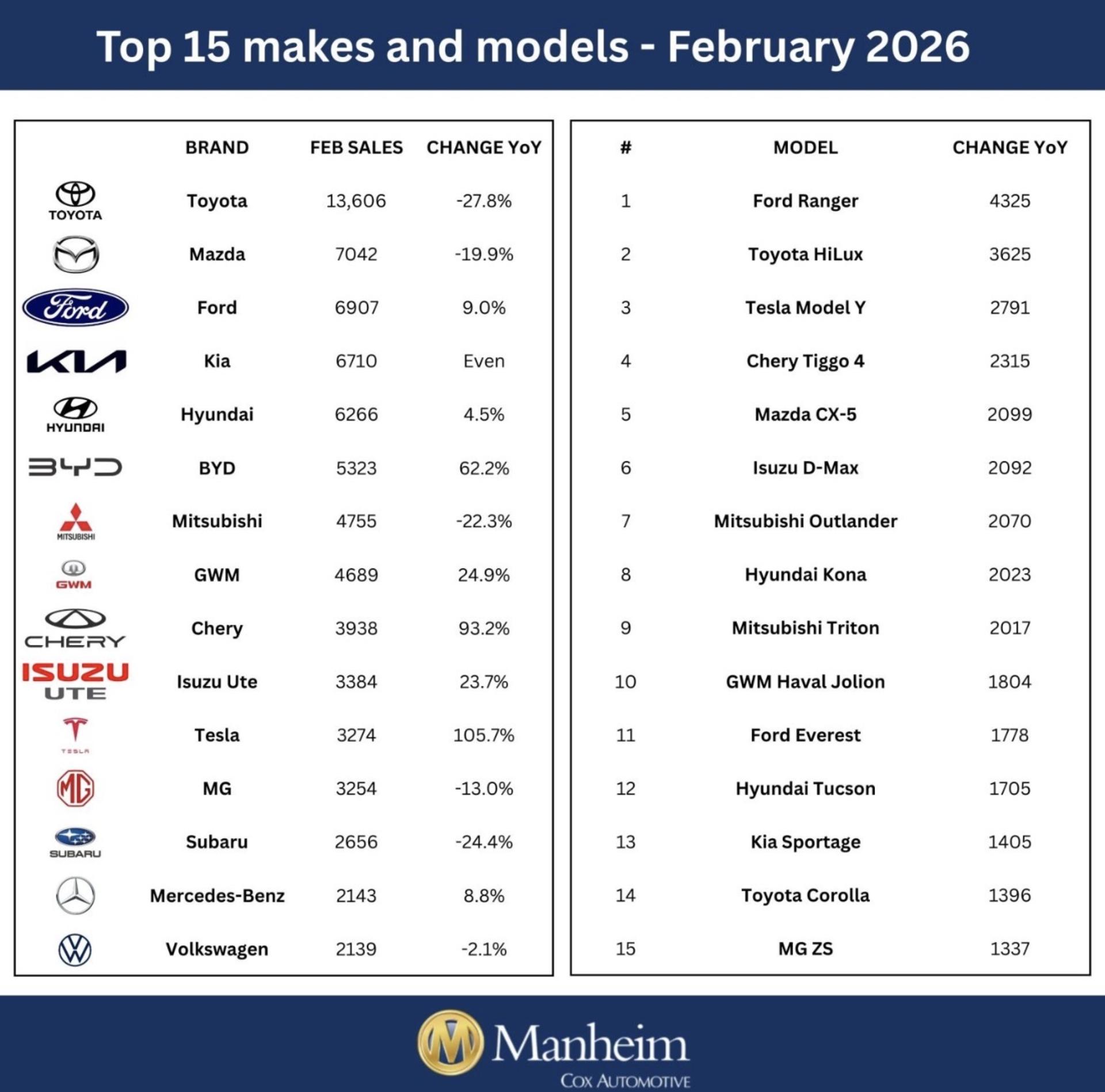
As the Manheim Australia data table above illustrates, four Chinese brands now sit comfortably inside the top dozen selling marques: BYD (5,323 units, +62.2%), GWM (4,689 units, +24.9%), Chery (3,938 units, +93.2%) and MG (3,254 units, despite a -13% decline). That's a combined tally of over 17,000 sales in a single month from brands that barely registered on Australian radar just a few years ago.
Toyota's steep 27.8% volume fall — the biggest decline of any mainstream brand — is a significant contributor to China's rise to the top of the supply chart. The RAV4, Australia's perennially popular SUV, is in a transitional lull ahead of an all-new generation model, with existing stock nearly exhausted and fresh units still arriving. It's a temporary blip for the Japanese giant, but it's created a window that rivals have been quick to exploit.
Fastest Risers and Steepest Falls
The growth league table makes for fascinating reading. Zeekr, the premium EV brand from Geely, posted a staggering 561% increase year-on-year — enough to outsell established European names including Volvo, Land Rover and Skoda. Tesla was next with 105.7% growth (3,274 units), followed by Chery at 93.2% and BYD at 62.2%.
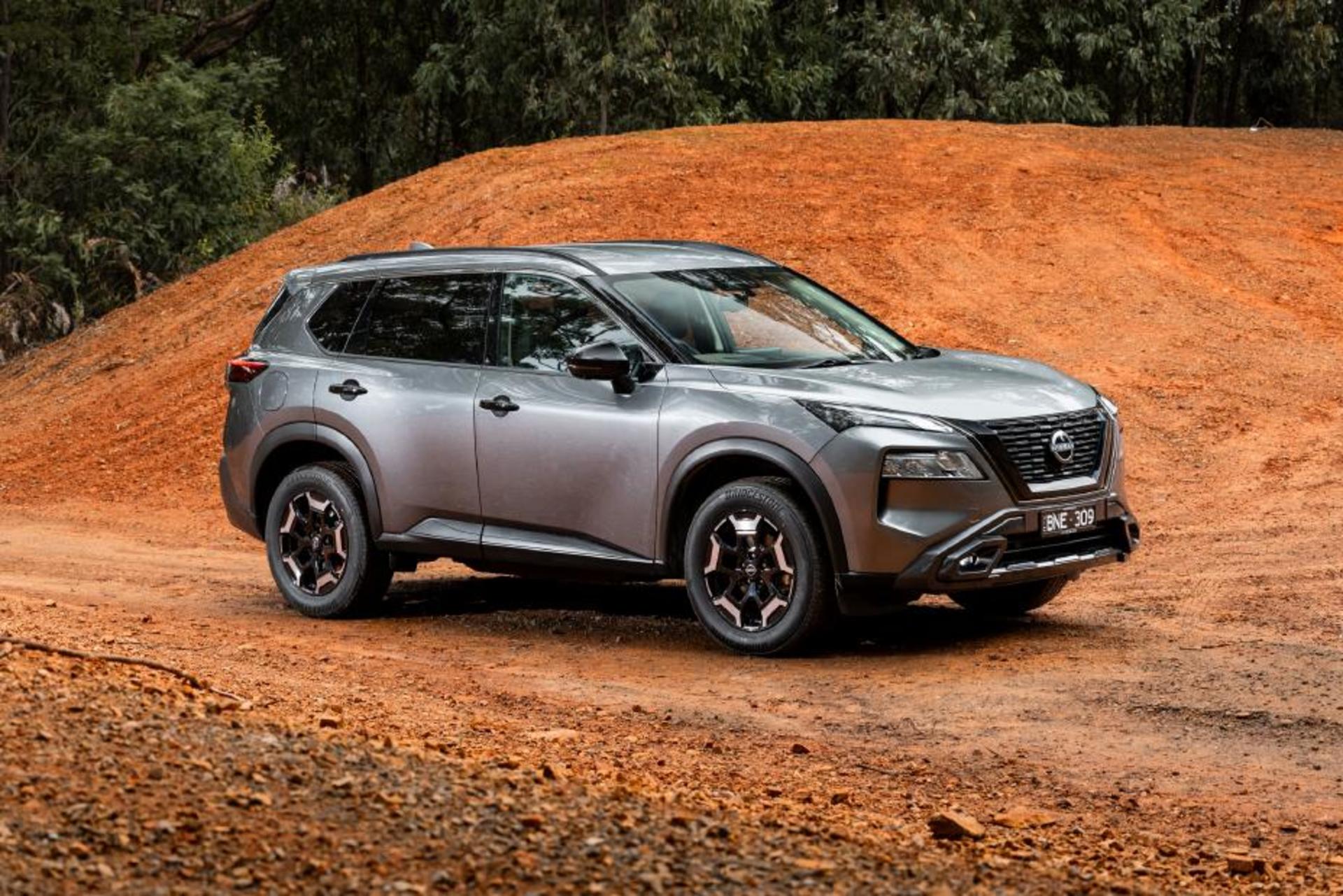
On the other side of the ledger, Nissan suffered the sharpest decline at -50%, followed by Suzuki (-28%), Toyota (-27.8%), Subaru (-24.4%) and Mitsubishi (-22.3%). These are not small corrections.
EVs Are Having a Moment
The electrification story continues to accelerate. Battery electric vehicles have sold 18,543 units year-to-date — running at twice the pace of the same point in 2025. In February alone, BEVs captured a record 12.2% market share (excluding heavy commercials), with PHEVs contributing a further 6% on top of that. The flipside: pure petrol ICE sales fell 17.7%, a trend that shows no sign of reversing.
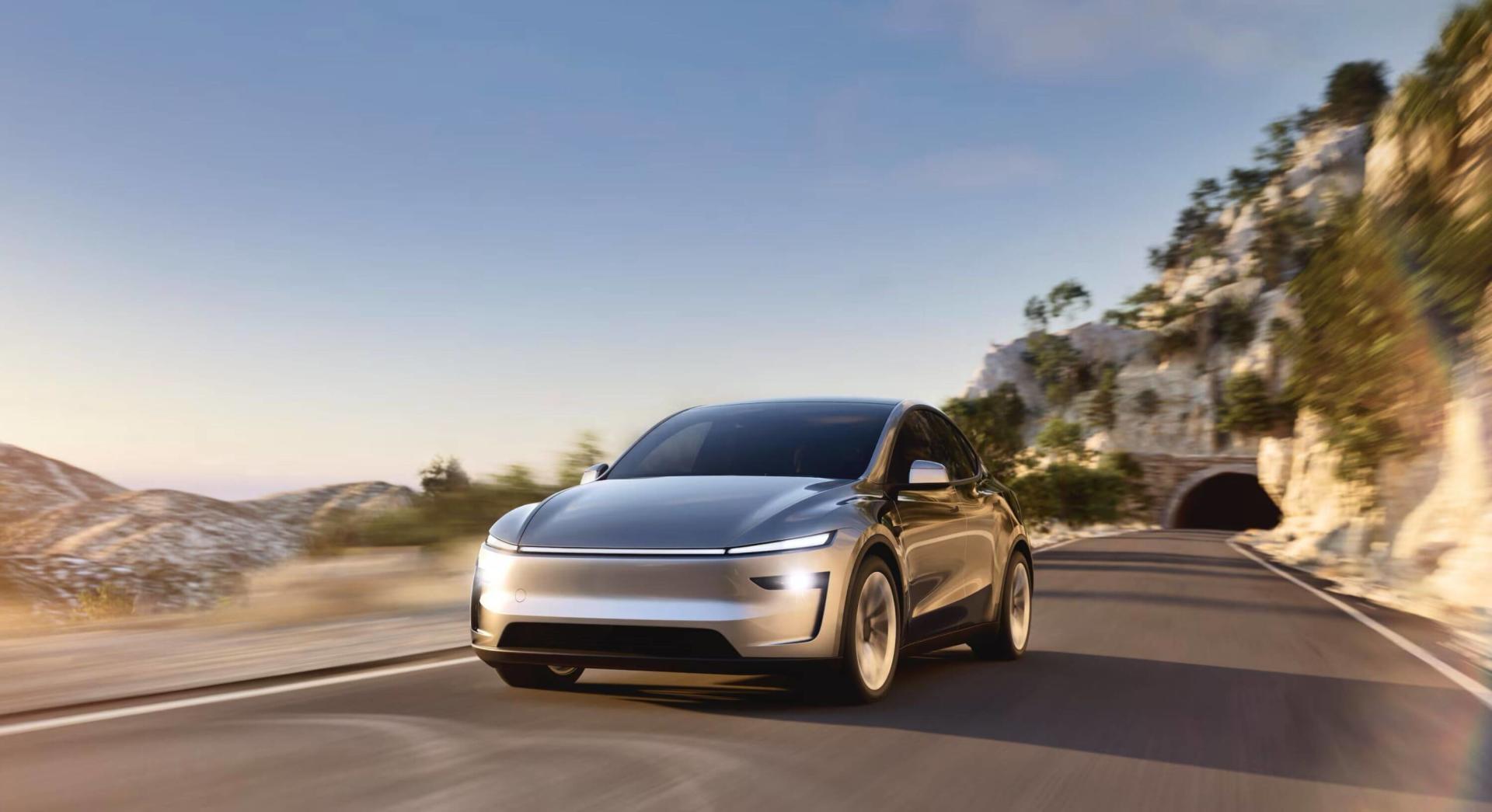
Tesla's Model Y was the best-selling SUV in February and finished third overall across all models with 2,791 units. That's a remarkable result for a single EV model in a market still largely anchored to conventional powertrains.
Utes and Chinese SUVs Share the Top 15
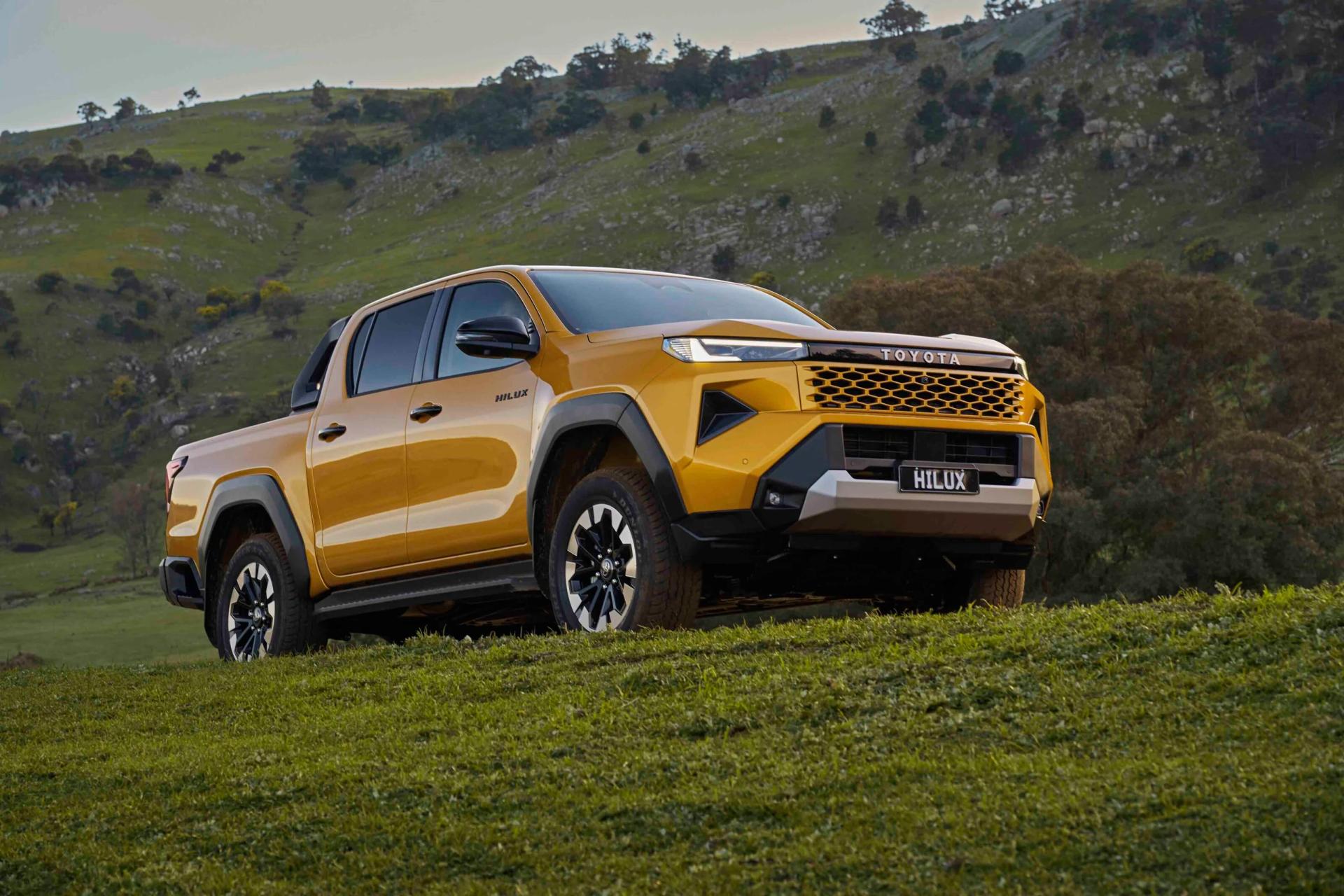
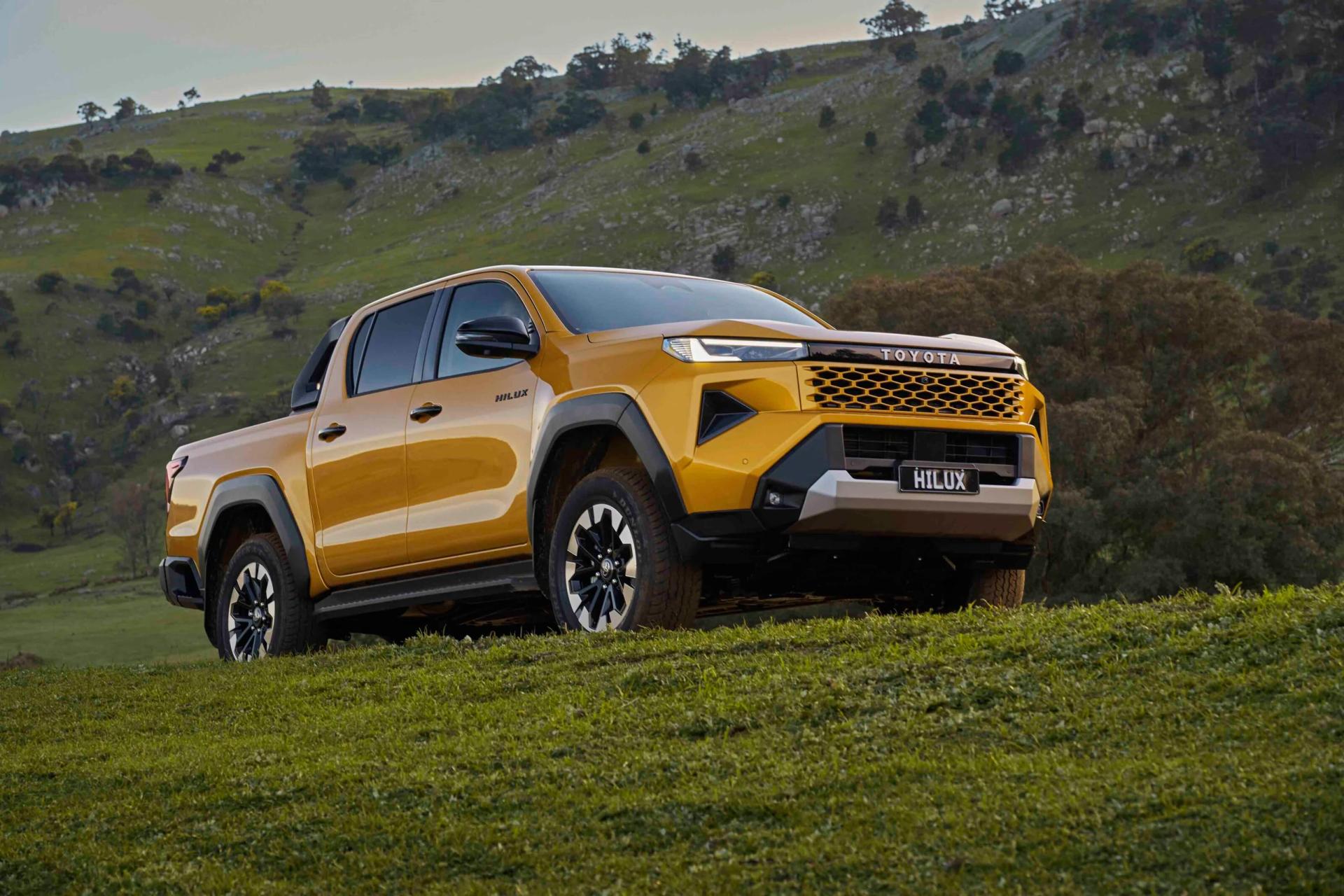
The model-level rankings, detailed in the Manheim chart below, tell a dual story about where Australian buyers are spending their money. Diesel utes remain dominant: the Ford Ranger reclaimed the top spot with 4,325 units, Toyota HiLux held second with 3,625, and the Isuzu D-Max (6th, 2,092 units) and Mitsubishi Triton (9th, 2,017 units) rounded out the ute presence in the top ten. Working Australia clearly hasn't changed its habits.
But Chinese SUVs have embedded themselves firmly in the mid-table. The Chery Tiggo 4 was the standout, finishing fourth overall with 2,315 units — an extraordinary result for a brand that only entered Australia recently. The GWM Haval Jolion came in 10th (1,804 units) and the MG ZS rounded out the top 15 with 1,337 units. Affordable, well-specced and backed by increasingly competitive warranties, these models are resonating with practical buyers who are less concerned about badge cachet and more focused on value.
What February Tells Us
February 2026 is a snapshot of a market in genuine transition. The volume dip is real but manageable; the structural shifts are more consequential. Chinese brands are no longer an emerging curiosity, they are mainstream volume players. EVs are finding their audience faster than most forecasts suggested. And the traditional pillars of the market, Japanese and Korean brands, are having to work harder than ever to defend their positions.
For buyers, this competitive intensity is welcome news. More choice, keener pricing and better specifications across segments are the direct result of a market that is no longer dominated by a handful of familiar names.
Article compiled with data from the VFACTS report February 2026 and Electric Vehicle Council sales figures, with assistance from Manheim Australia.