
Ferrari Luce: The Light That Went Out
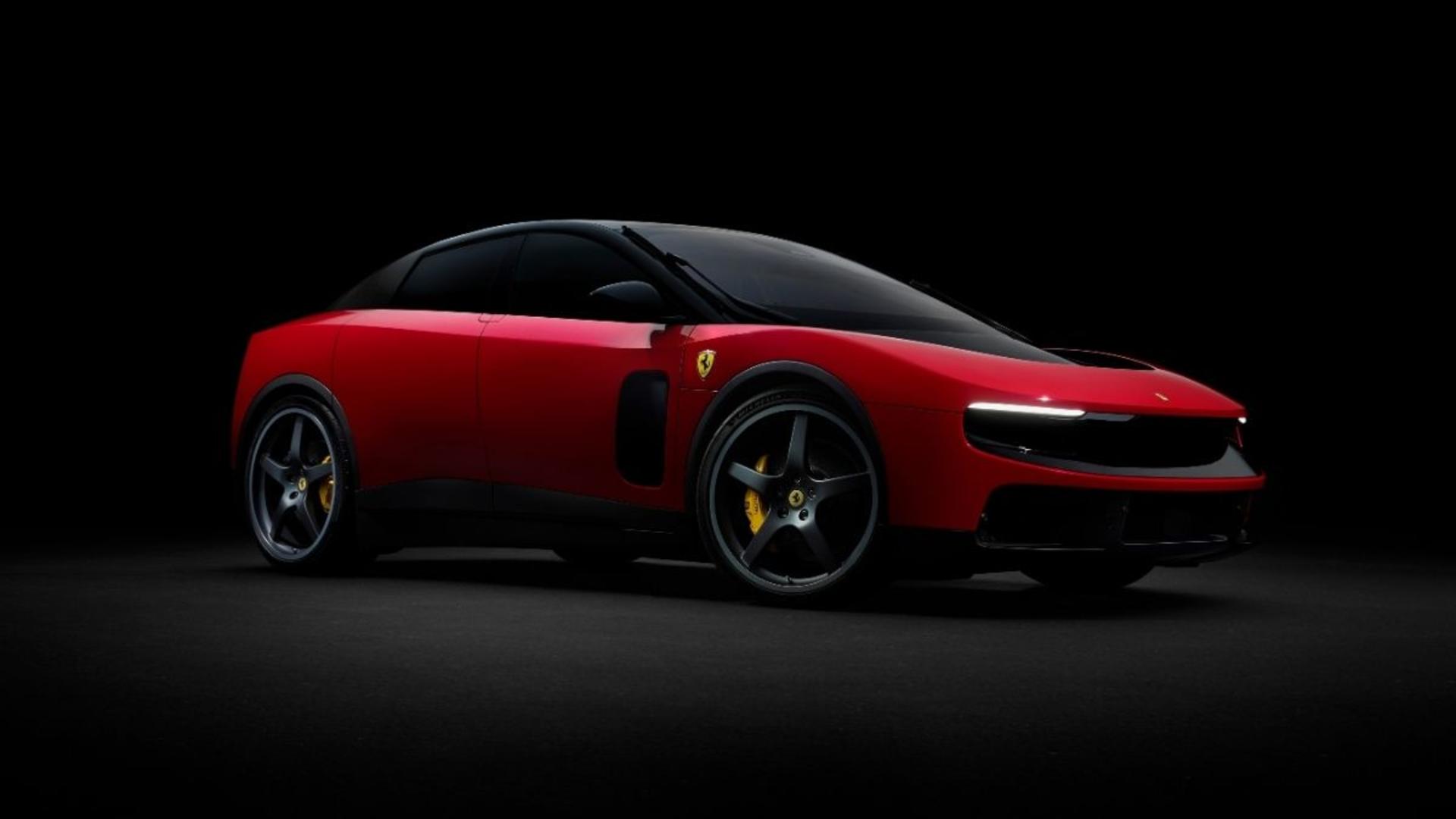
"This is definitely a machine that at least the Chinese won't copy from us."
- Luca Cordero di Montezemolo
Written by Daniel Romero
Ferrari's first electric car has arrived. Its former chairman has already buried it.
Watching Mr di Montezemolo share his thoughts, you could see the pain and sadness in his eyes. The man who spent twenty-three years making Ferrari the most desired name in the automotive world, the man who personally ensured every car that left Maranello carried within it something that could not be engineered in a spreadsheet, looked at the Luce and basically said, there is nothing here worth stealing.
During Ferrari's 60th anniversary celebrations at Fiorano, he declared: "We have always tried to look ahead, but without ever losing sight of the legacy of Enzo Ferrari". He positioned every car his team built as a continuation of a sacred lineage, not a commercial product. So, has Ferrari lost its way?
I grew up in a house where my bedroom walls were for cars. Not to pop stars or footballers. Ferraris, Lamborghinis, Commodores, Skylines, Mustangs and Supras. I collected the model cars with devotion. Each one was handled like a holy relic, unwrapped from its packaging with excitement, placed on a shelf where it could catch the light just right. I had dozens. Heck, I still have dozens. And I loved every single one of them with the irrational, all-consuming intensity that only a child can muster for a machine it will never drive.
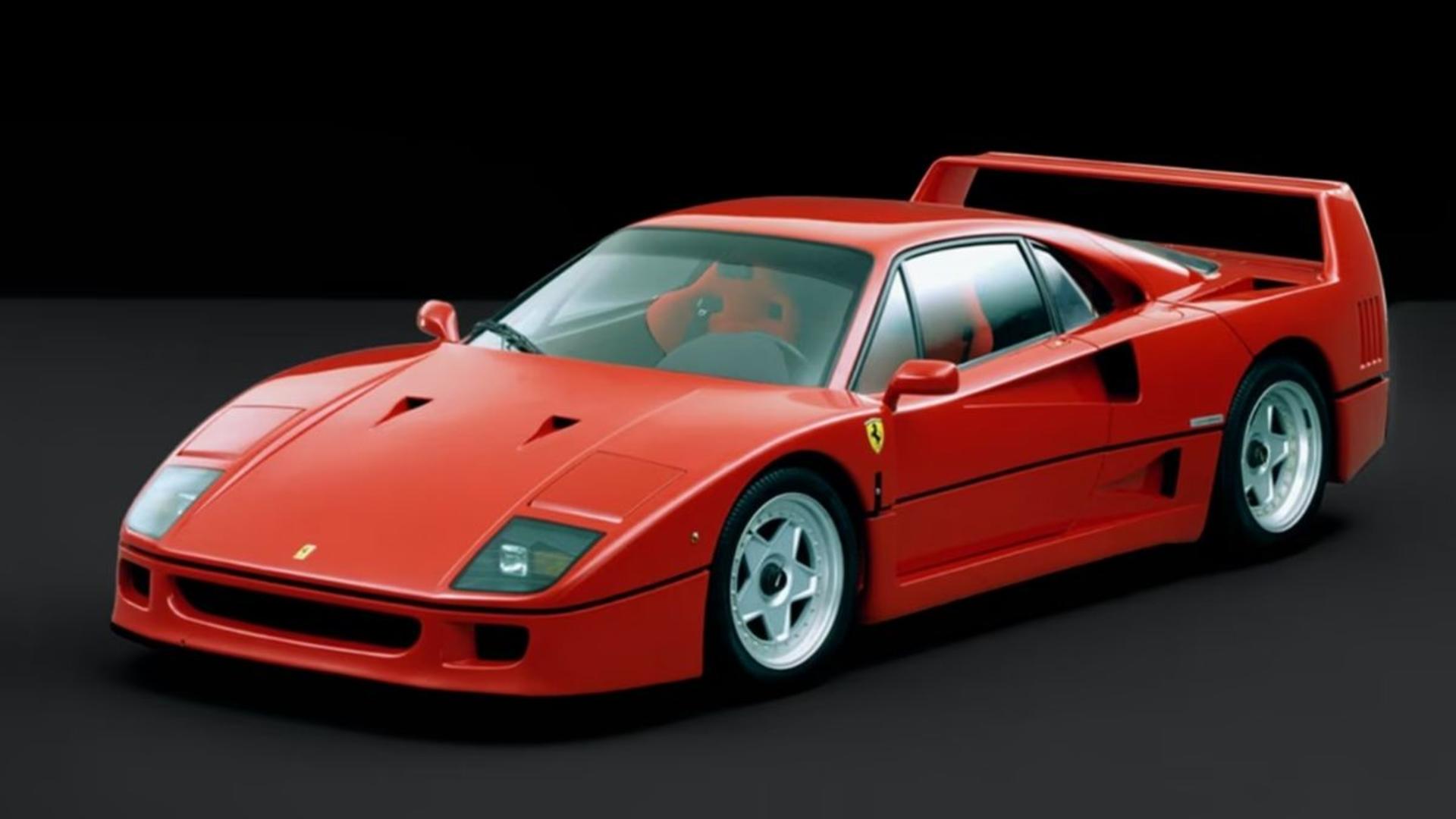
The F40. My God, the F40. A barely legal racing car with number plates. Twin turbochargers feeding a 2.9-litre V8 that produced 478 horsepower and absolutely no apology for any of it. There was no carpet. No door handles. No pretence that this was anything other than a weapon. The body was carbon fibre and Kevlar, and the rear wing was so enormous it looked like it had been stolen from a Le Mans prototype. It was savage. It was perfect.
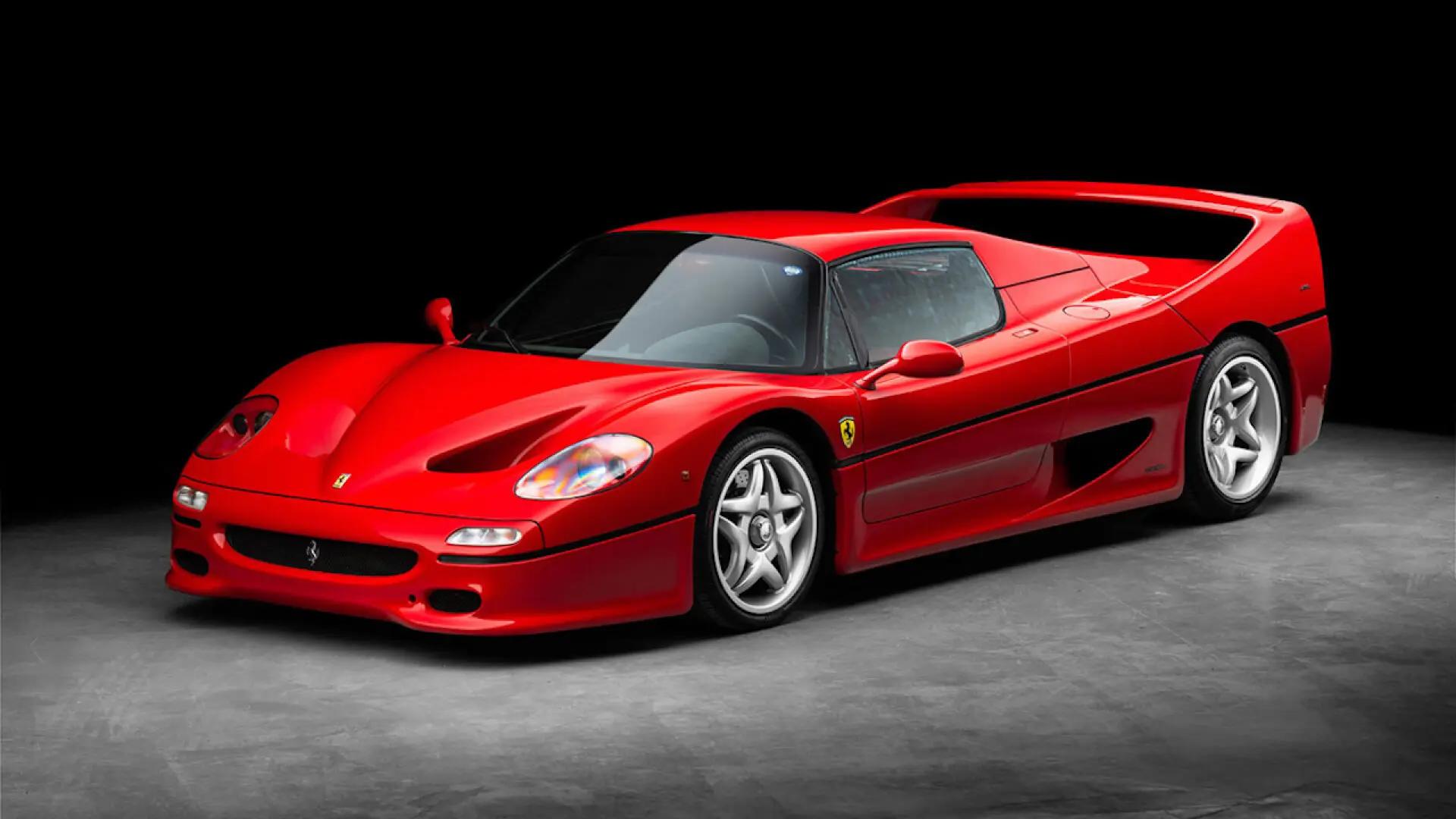
The F50, with its 4.7-litre V12 bolted directly to the chassis as a stressed member, the way a Formula One car's engine is mounted. You didn't drive the F50 so much as wear it. Every vibration, every tremor, every crack in the tarmac fed through the structure and into your spine. It was uncomfortable, impractical, and one of the most extraordinary things human beings have ever built.
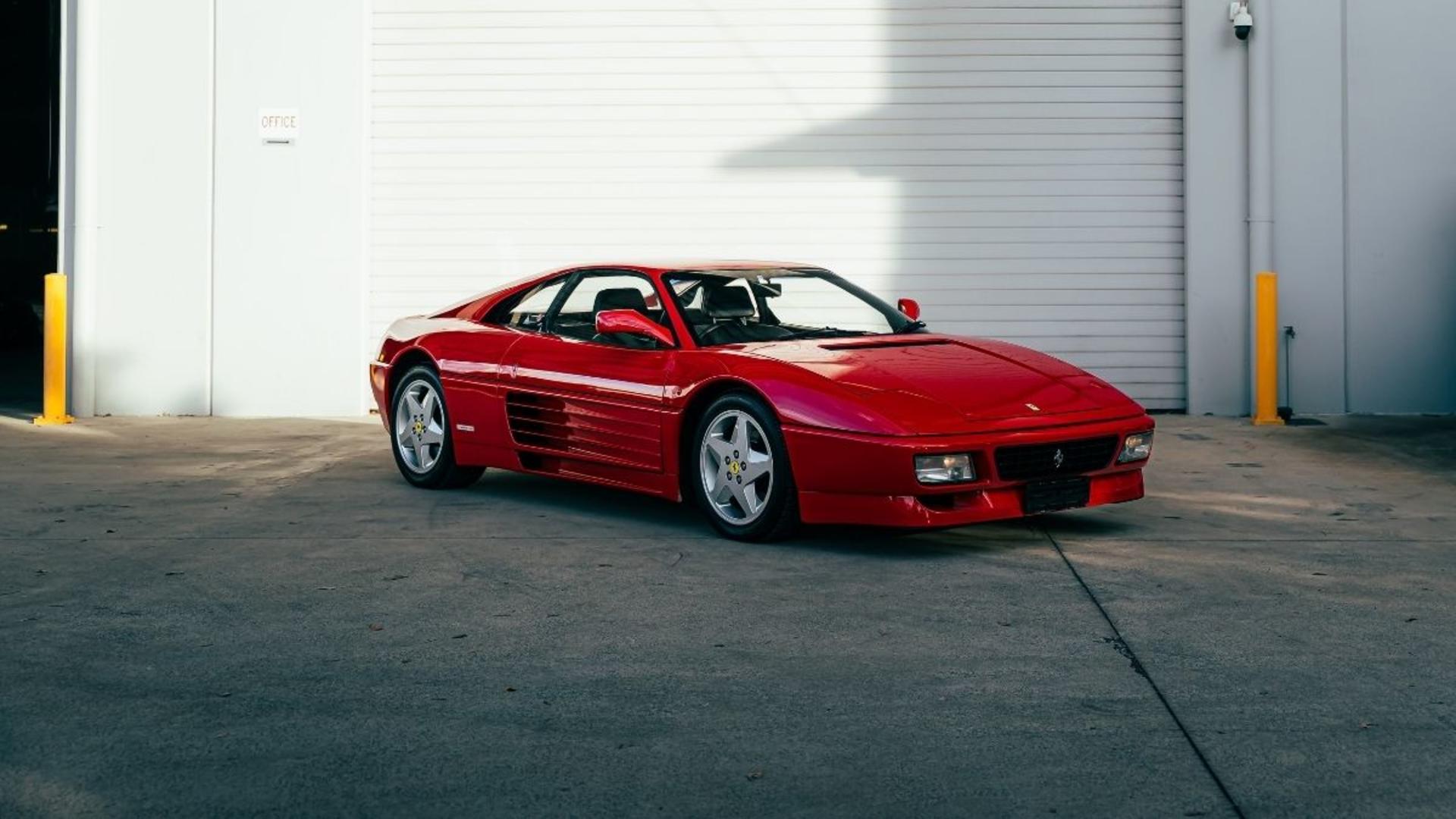
The F348, which the critics savaged and I loved with the stubbornness of a man defending a family member. And the F355, which needed no defence from anyone. Pininfarina's mid-nineties masterstroke. Five valves per cylinder. A V8 that screamed to 8,500rpm with a sound that split the air like tearing silk. The Spider version, dropped into the Beverly Hills showroom in late 1995, was the kind of car that made you believe the universe had a point.

These cars were not products. They were arguments. They argued, loudly and without compromise, that life was better lived at the ragged edge, with your foot flat and your senses screaming. They argued that beauty and danger were the same thing, and that a machine without soul was just a machine.
The Luce is just a machine.
Ferrari's first fully electric car. Four motors. One per wheel. Zero to sixty in roughly two and a half seconds. A five-seater, a first for the brand. Six hundred and forty thousand dollars of silence.
The collaboration with Jony Ive's LoveFrom agency tells you everything you need to know. Not because Ive lacks talent. The man is a genius of industrial design. But his genius is for objects that sit on a desk or slide into a pocket. His genius is for clean lines, for things that do not interrupt, for products that ask nothing of you and demand even less. He designed the iPhone, a device so frictionless that it eliminated the need to think. Now he has designed a Ferrari, a machine that was supposed to make thinking impossible, because every fibre of your being was too busy feeling.
The result, predictably, is a car that looks like it was styled by someone deeply embarrassed by the concept of desire. There is no aggression in the Luce's design. No raw sex appeal. No passion. If you said it was a concept car from a Chinese brand, no one would argue.
The car isn't bad, it's simply lost the emotive appeal that made you want to put it up on the wall.
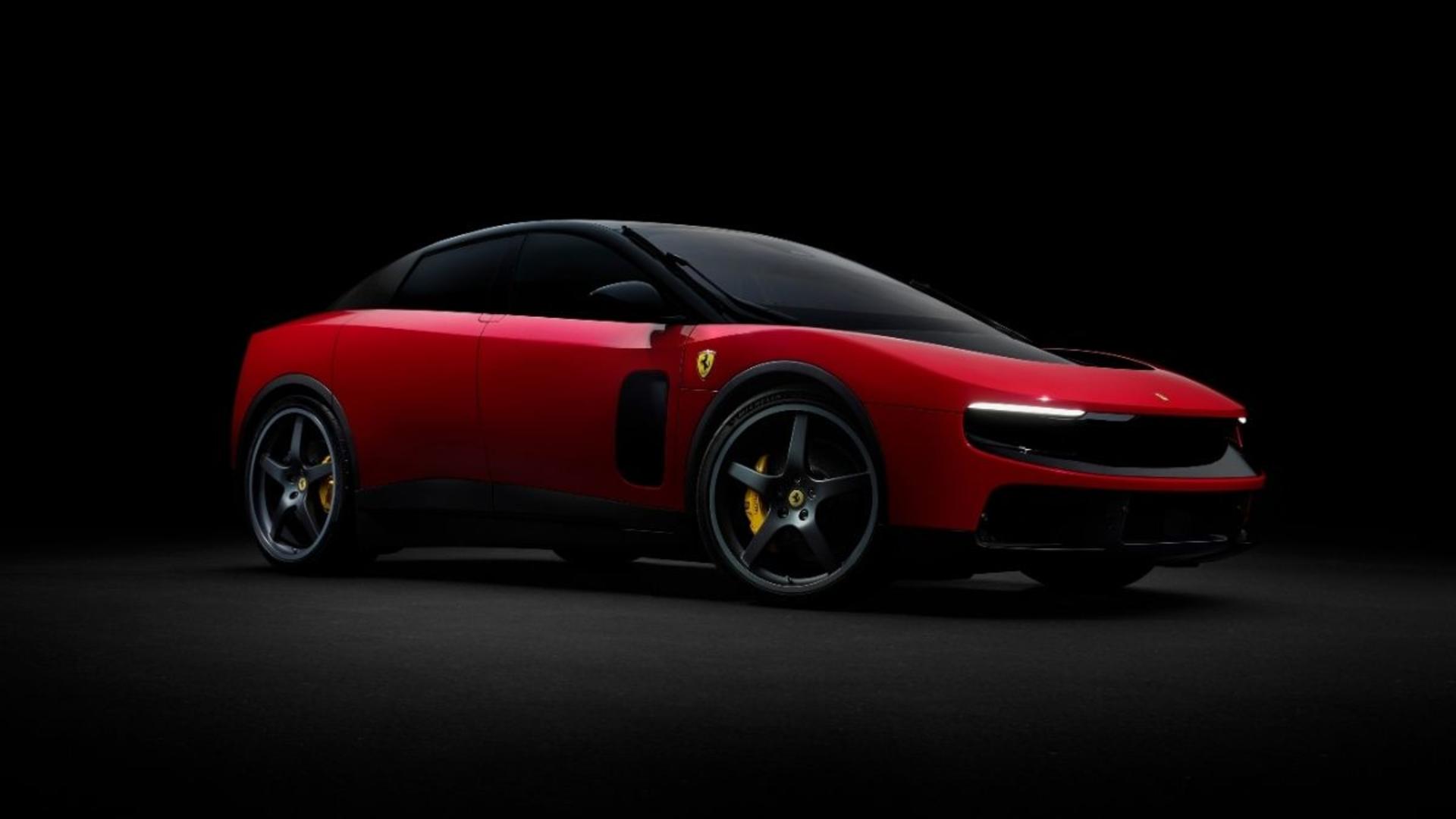
Benedetto Vigna, Ferrari's chief executive, showed the Luce to the Pope. Naturally. Because when you've built a car with no engine, no exhaust note, and no mechanical heart to speak of, you need all the divine intervention you can get. Perhaps the Holy Father could perform the last rites for the sex appeal of the Ferrari we grew up lusting over.
The market, at least, offered its own prayer. Ferrari shares dropped more than eight per cent on the Milan exchange after the unveiling. Eight per cent, for Europe's most valuable carmaker. Sure, they'll probably sell out, especially in new money markets where it is more about showing you have the latest, rather than showing you have passion or perhaps to those wanting to win favour for future purchases they intend to make of traditional models.
Social media split into warring camps, as it always does. "Straight to the junkyard trash," said one side. "An absolute masterclass in design," said the other. I know which pew I sit in.
Montezemolo's genius, across those twenty-three years at the helm, was understanding that Ferrari's power was inseparable from its scarcity. He capped production at seven thousand units a year. He raised prices as a deliberate strategy. He watched what happened when Maserati tripled its sales in the mid-2000s, chasing volume, and what happened was exactly what he feared, the brand hollowed out. "It just isn't exclusive anymore," said the Ferrari historian Marcel Massini, and the sentence carried the weight of a gravestone inscription.
Montezemolo's Ferrari was a fortress. You didn't just buy a car. You earned entry into something. The F355 wasn't merely fast. It was a declaration of allegiance to a particular way of living, passionate, impractical, unapologetically excessive. It said you understood that the things worth having were rarely the things that made sense.
The Luce says you have a charging point in your garage and a preference for bespoke interior trim.
Lamborghini saw the writing on the wall and quietly abandoned its full EV plans, retreating to hybrids because the demand from actual buyers simply wasn't there. Porsche pulled back too. Both brands asked the obvious question: who is this for? And still designed passion stirring designs true to their legacy. Ferrari, it seems, was too busy designed the next Apple mouse on wheels and presenting the car to the Pope to ask.
Here is the central, unforgivable failure of the Luce, cars connect with people. Not with software. Not with infotainment systems. Not with autonomous driving modes or curated ambient lighting. People. Flesh and blood and nerve endings. People who remember the exact moment they first heard a flat-plane crank V8 at full chat, and who have spent the rest of their lives chasing that sound. People who see cars are moving pieces of art and passion.
The Luce has no sound. It stirs no passion.
Montezemolo's quote was meant to be a boast, once. A war cry from the battlements of Maranello. Italian passion, untouchable. Inimitable. Now he turns the same words on the Luce and they curdle into something else entirely. Not a boast. A diagnosis.
The Chinese won't copy this.
Not because it's too brilliant. Because there's nothing left that can't be replicated in a Shenzhen factory by Tuesday.
They could copy the motors. They could copy the battery packs. They could probably improve on the infotainment. And the one thing they absolutely could not touch on the F40, the F50, the F355 — that incandescent, irrational, uncopyable soul — is not present in the Luce, because Ferrari removed it themselves before anyone had the chance.
I still have the model cars. They live in a box in my garage, each one wrapped in tissue paper, each one still perfect after all these years. I have plans to one day set them up in my office. The little F40 with its absurd rear wing. The F50 with its naked V12. The F355 Spider, top down, caught in miniature mid-laugh.
They are not models of cars. They are models of a feeling. The feeling that human beings, at their absolute best, could build machines that transcended metal and rubber and became something closer to music and art. Something you heard with your hands on the wheel and your foot on the floor and your heart in your throat.
The Luce, they tell me, means light.
I think of Montezemolo's words. I think of the box in my garage. I think of a little red F40 on a shelf, catching the sun just right.
The light went out a long time ago.
Ferrari gave us the 250 GTO, the 288 GTO, the F40, and the F50. Now it gives us a silent electric crossover that was unveiled to the Pope and reviewed by the stock market. Montezemolo looked at it and said the Chinese wouldn't bother copying it. He wasn't wrong. He was mourning.