
Hyundai Boulder Concept Debuts at New York Auto Show
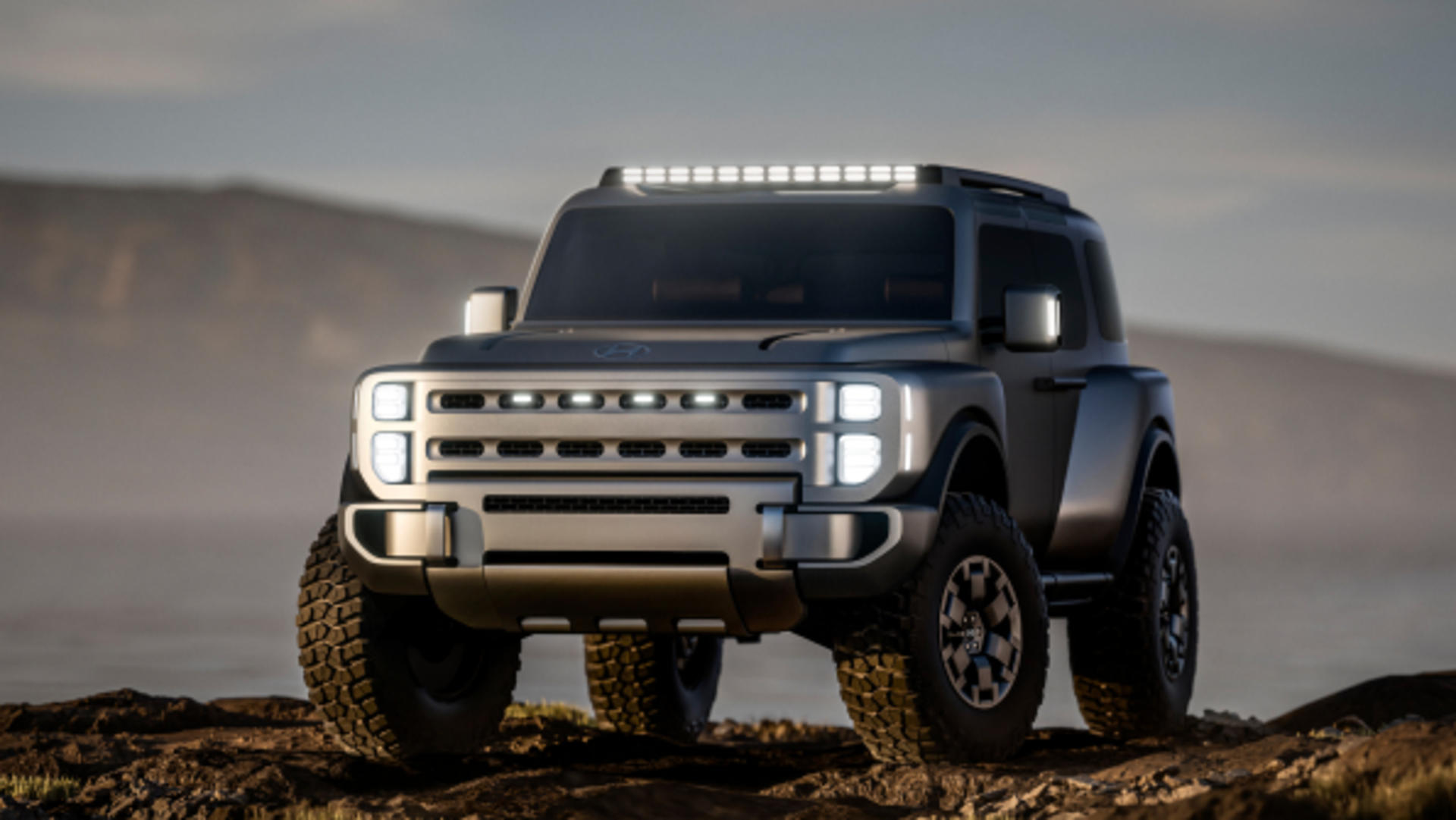
Hyundai has used media day at the 2026 New York International Auto Show to unveil the Boulder Concept, a body-on-frame SUV design study that previews the brand's most significant product direction shift in years.
The Boulder made a surprise global debut at the Jacob K. Javits Convention Center on April 1, with Hyundai confirming it previews a fully-boxed body-on-frame architecture that will underpin a production midsize pickup truck due to arrive by 2030. The reveal signals the end of Hyundai sitting on the sideline in the segment that arguably matters most to American buyers, and the brand isn't being coy about its ambitions.
"Body-on-frame vehicles are the backbone of American work and adventure, and we intend to compete in the midsize pickup segment with everything we have," said José Muñoz, President and CEO of Hyundai Motor Company. "We are entering segments we have never competed in before, and we are doing it the right way: designed in America, built by Americans for American customers."
The Boulder Concept was developed by Hyundai Design North America, the Southern California-based team that has driven much of the brand's recent design evolution. Hyundai has confirmed that future body-on-frame production vehicles will be designed in America, developed for America, built in America, and forged with Hyundai-produced U.S. steel, a pointed statement of domestic commitment at a moment when supply chain origin matters politically as much as it does commercially.
Art of Steel
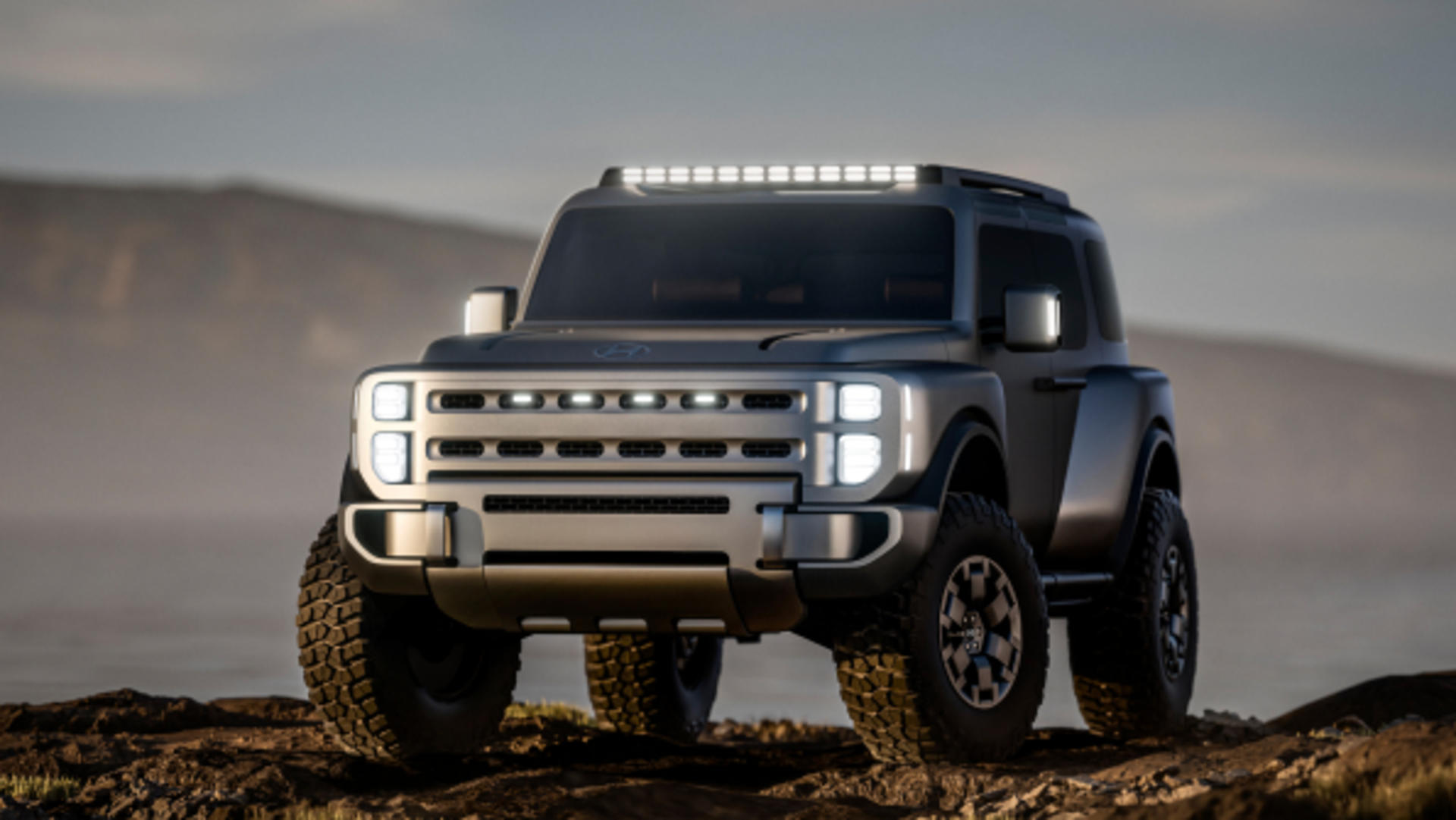
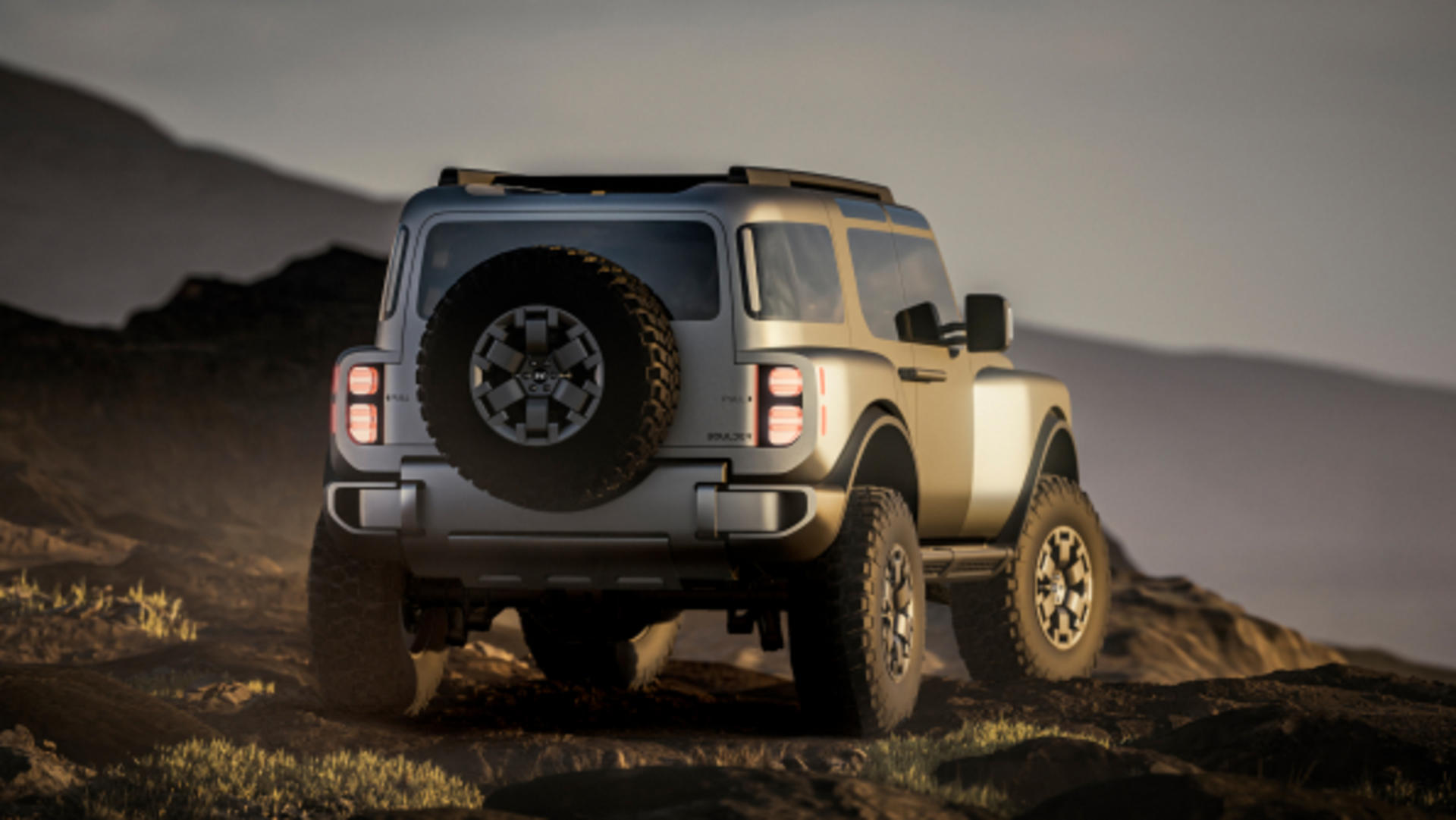
The concept's exterior design is built around what Hyundai calls its "Art of Steel" philosophy, a language that draws on the advanced steel technologies developed by Hyundai Steel within the broader Hyundai Motor Group. The result is an upright two-box silhouette with an imposing greenhouse, dual safari-style fixed upper windows that flood the cabin with natural light, and coach-style doors designed to improve side-loading access across both rows.
Sitting on 37-inch mud-terrain 37x12.50R18 LT tyres, the Boulder has the ground clearance to back up its posture. A full-size spare is mounted on the tailgate, and the aggressive proportions deliver the kind of approach, departure, and breakover angles that matter when the trail gets serious rather than merely scenic. Hyundai also notes a meaningful fording depth, accommodating the creek crossings that tend to end adventures prematurely.
The exterior finish is rendered in what Hyundai describes as a Liquid Titanium interpretation, with key elements including tow hooks and door handles incorporating reflective material to make the vehicle easier to locate at the end of a long day in the field. A stout low-profile roof rack includes steel webbing between the rails for additional cargo-carrying capacity, and a novel double-hinged rear tailgate opens from either side to handle varied loading scenarios. A power drop-down rear window on the tailgate also allows for through-flow ventilation and the accommodation of longer cargo.
Hyundai has designed the Boulder to function as a platform for personalisation, describing it explicitly as a blank canvas for accessories that can enhance function while reflecting individual taste.
Interior and Capability Technology
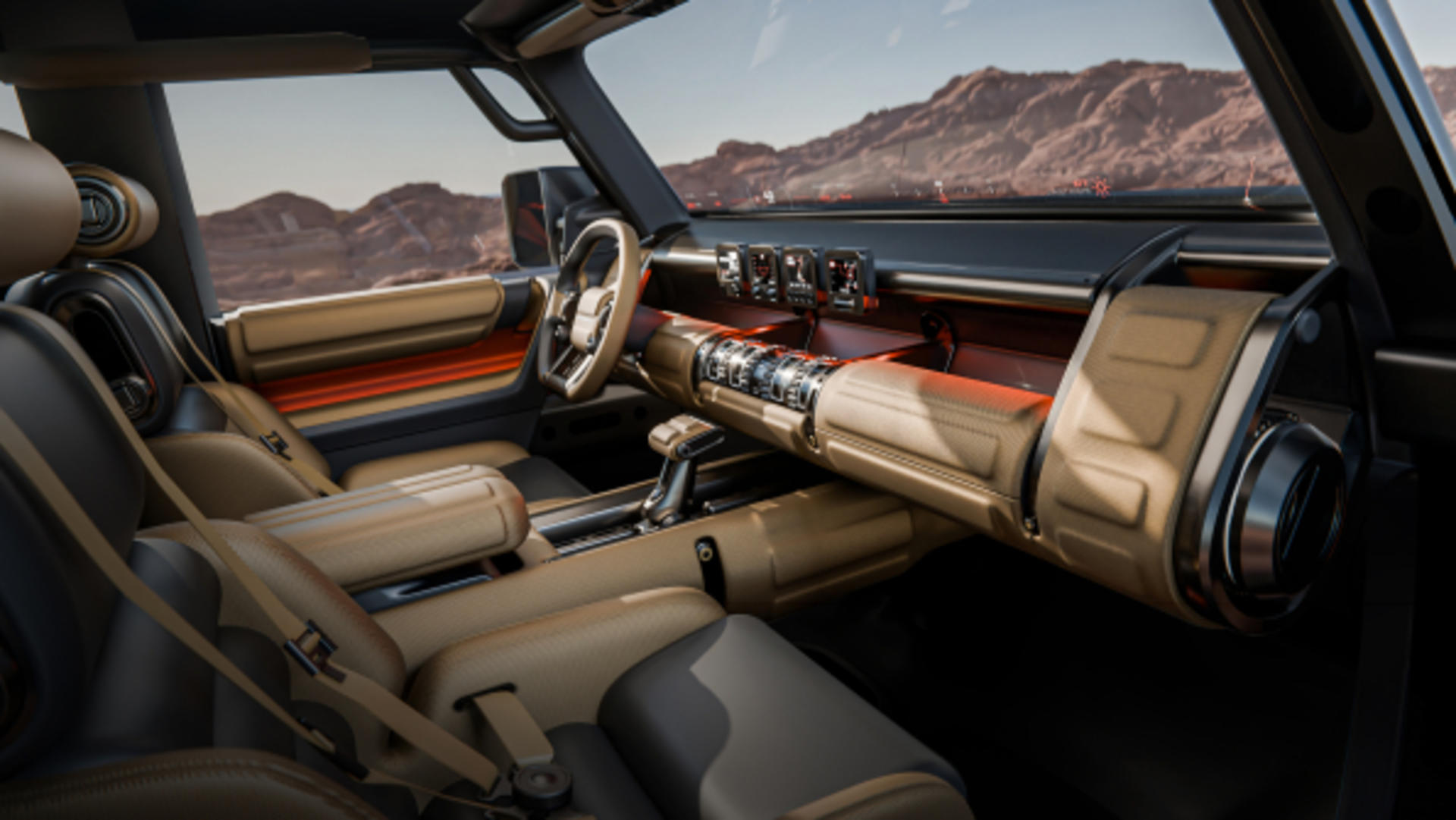
Inside, the Boulder prioritises physical controls and durable materials over digital minimalism. Frequent-use switchgear uses satisfying physical knobs and buttons positioned within easy reach, a deliberate choice for a vehicle expected to traverse rough terrain where touchscreens become exercises in frustration. Grab bars and high-wear touchpoints use robust materials throughout.
The configurable interior includes fold-out tray tables that serve trail lunches as readily as they handle a laptop out in the field, a detail that speaks to Hyundai's understanding that body-on-frame buyers don't draw clean lines between work and recreation.
From the driver's seat, an available software-driven real-time off-road guidance system provides what Hyundai describes as a digital spotter, assisting with terrain navigation and confidence on difficult ground.
The Bigger Picture
Executive Vice President and Head of Hyundai and Genesis Global Design Center SangYup Lee described the Boulder as "a four-wheeled love letter to the dynamic, off-road way of life that many customers have been asking us for." That framing matters: this isn't a concept born from a designer's sketchpad without a commercial brief behind it. Hyundai has been reading the room on XRT for several years, progressively escalating the capability conversation.
The Boulder arrives as part of a broader 36-vehicle North American product plan confirmed by Hyundai for delivery before 2030. It sits in territory Hyundai has never formally occupied: the midsize pickup segment dominated by the Toyota Tacoma, Ford Ranger, and Chevrolet Colorado, with a parallel SUV opportunity in the Jeep Wrangler and Ford Bronco space that the concept's proportions clearly gesture toward.
"Body-on-frame trucks play a central role in this market, and we see a clear opportunity to bring customers a new alternative that reflects how they work, explore, and live," said Randy Parker, President and CEO of Hyundai Motor North America. "The Boulder Concept SUV signals our approach to this segment and how we are thoughtfully developing our midsize pickup with the needs and expectations of U.S. customers at the core."
The Boulder remains a concept rather than a production commitment, but its construction, priorities, and the language Hyundai is using around it leave very little ambiguity about the destination. When the production truck arrives, it will carry the design DNA established here in New York, with the backing of American steel and an American manufacturing footprint that is as much a message about political positioning as it is about logistics.
For a brand that spent its first decade in the U.S. building a reputation for value over capability, the Boulder is a considerable distance from where Hyundai started. Whether the production version can match the concept's conviction is the question the next four years will answer.
Stay tuned for further updates as we find out more around the powertrain and other details.