
Kia PV5 Cargo Review: The Best Value Electric Van in Australia for 2026?
Written by Daniel Romero
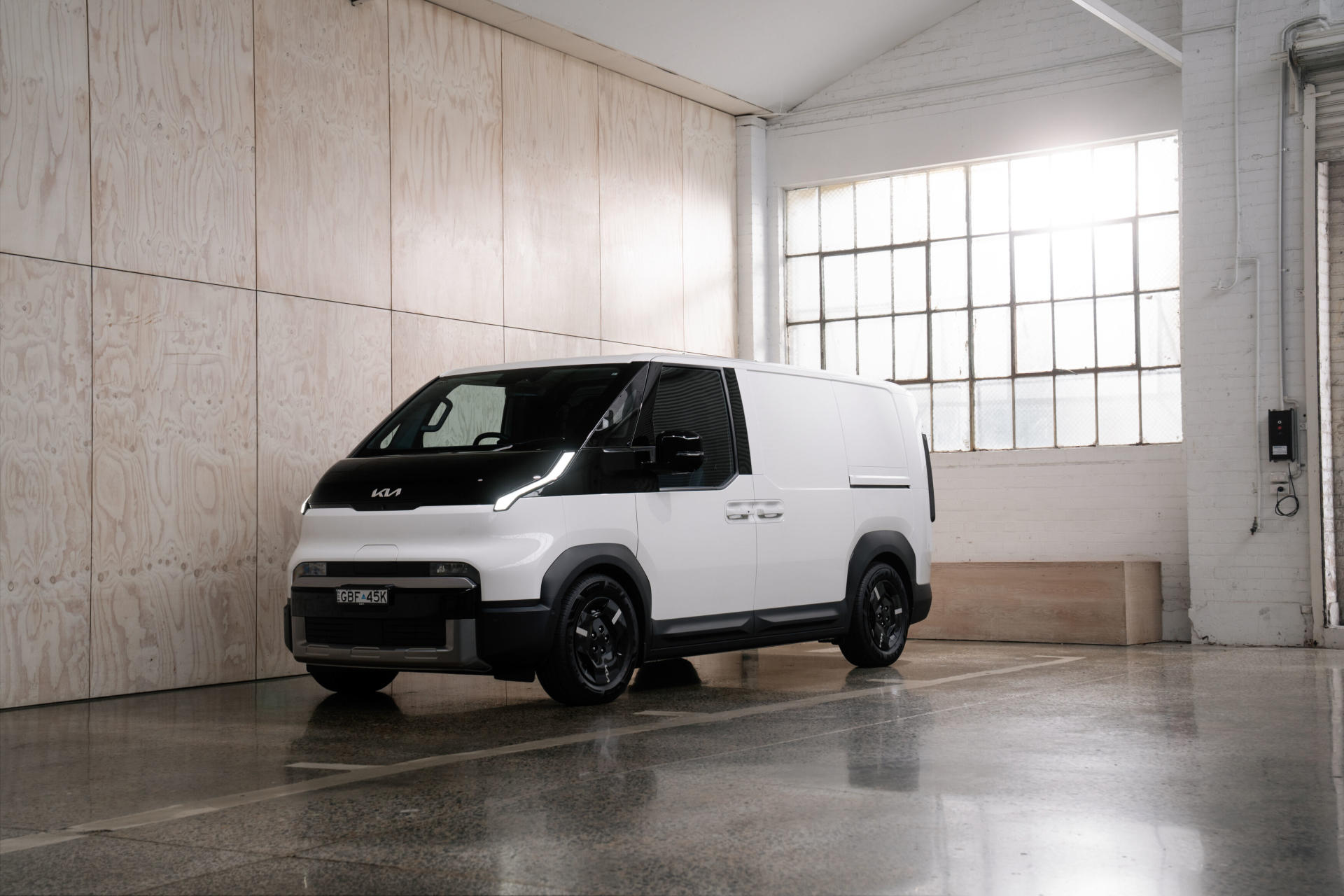
The Kia PV5 Cargo has arrived in Australia at $55,990 before on-road costs, 2026 International Van of the Year credentials, and a 416km WLTP range that no rival at a similar price can match. The LDV eDeliver 7 sits $1,000 cheaper but delivers nearly 100km less range. The Volkswagen ID. Buzz Cargo and Farizon Supervan both cost $14,000 or more above the PV5. On the range-per-dollar equation, Kia's first dedicated electric van makes a compelling case. It has also been through Kia Australia's local ride and handling development program before a single example reached a dealership.
On paper, it is a genuinely strong proposition. Here is everything you need to know.
What is the Kia PV5 Cargo?
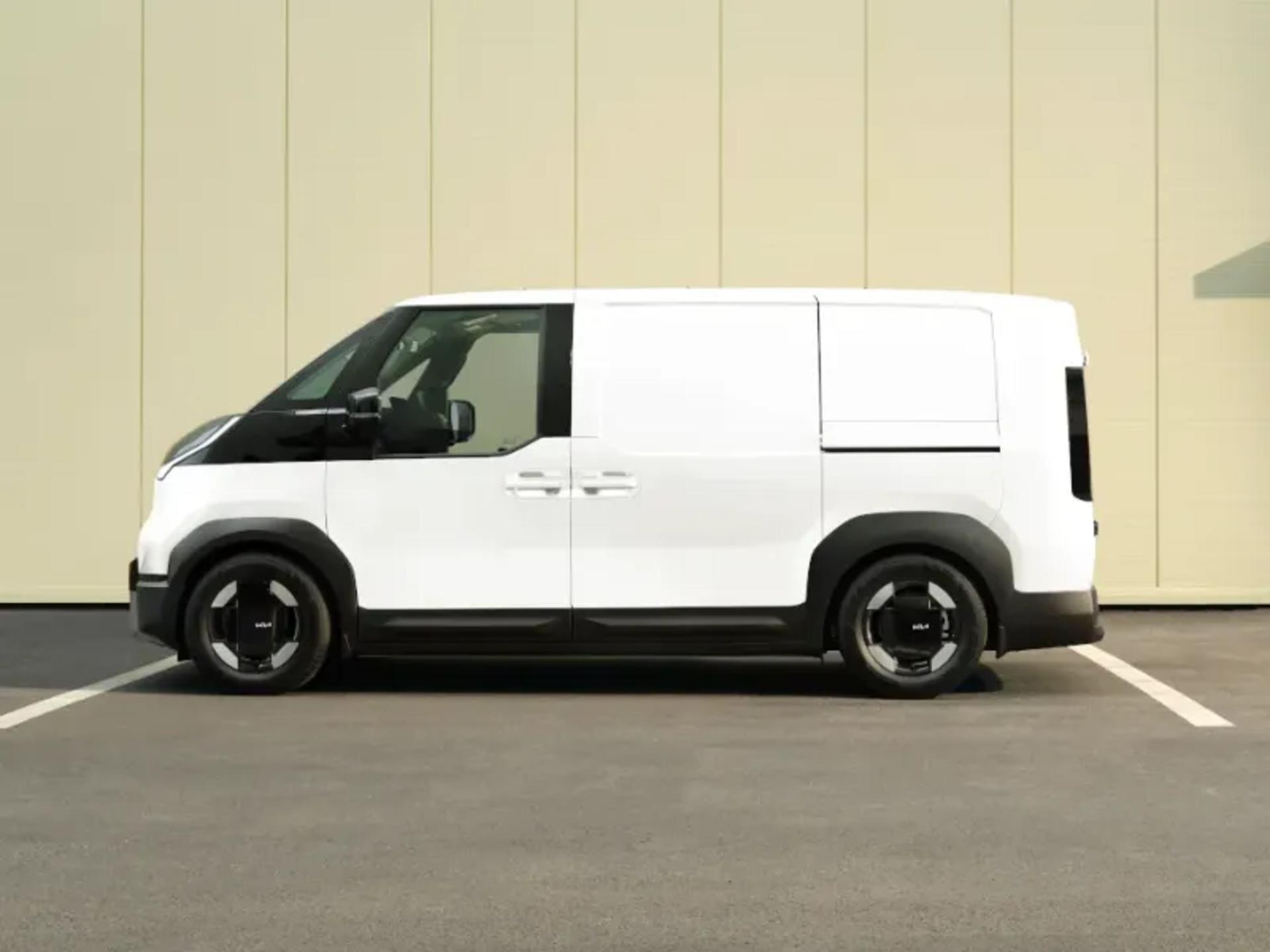
The PV5 is Kia's first dedicated electric van and the first model from the brand's Platform Beyond Vehicle (PBV) programme to reach Australia. Unlike most electric vans, which are adapted from existing petrol or diesel architectures, the PV5 has been engineered from the outset on Kia's E-GMP.S electric commercial platform, the same base used for the larger EV9 and EV5 in modified commercial form.
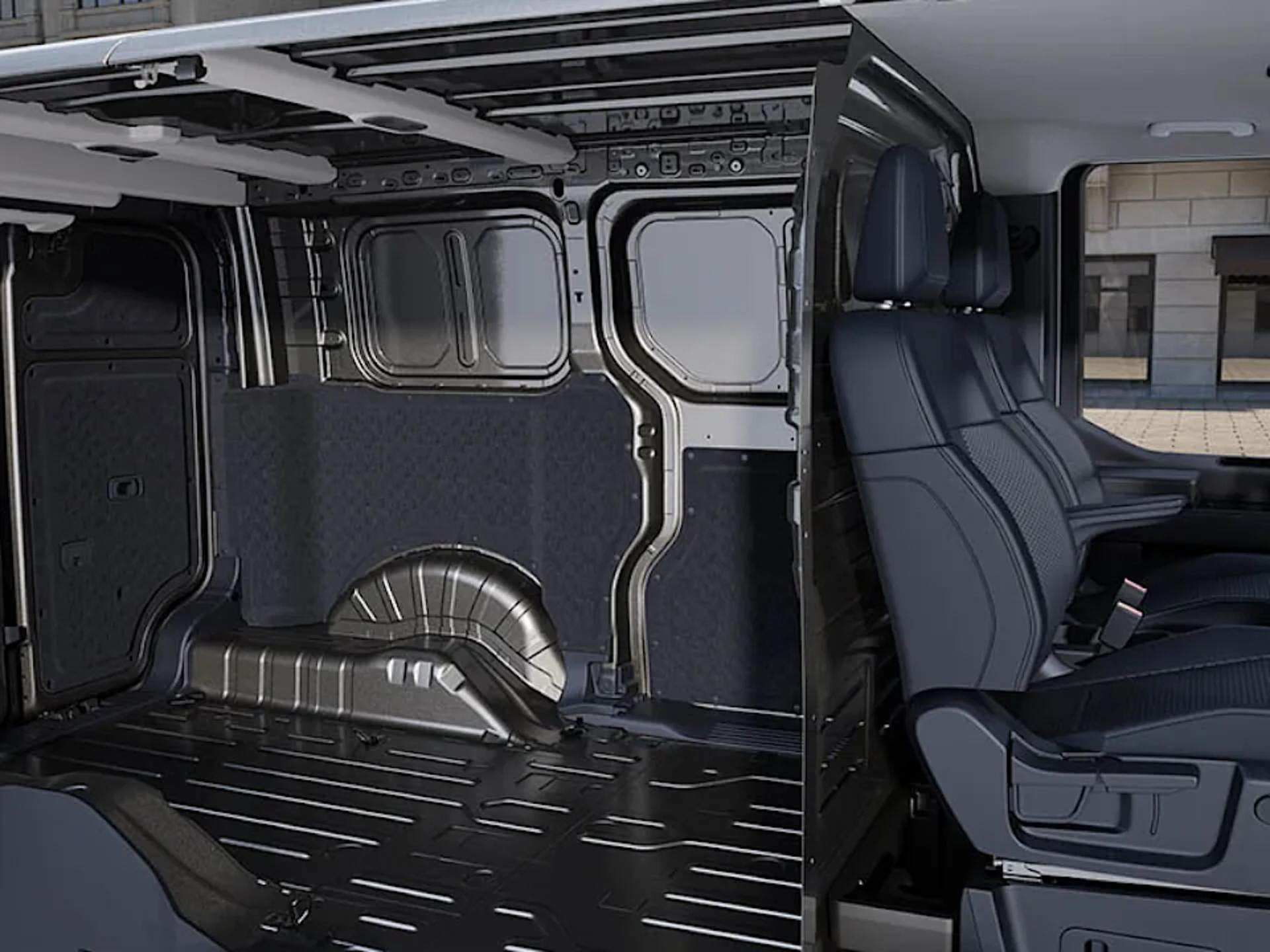
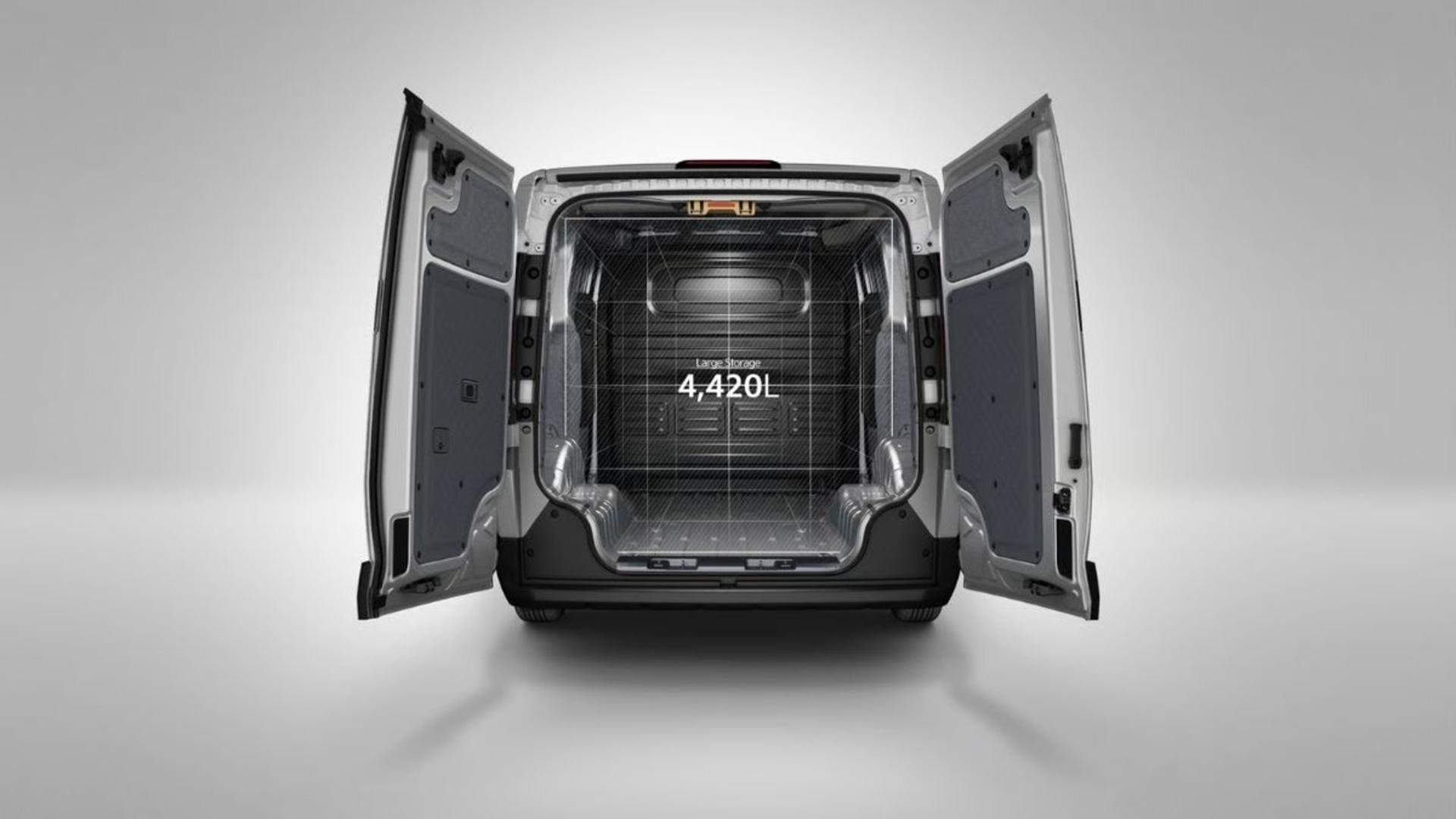
That ground-up electric architecture is the reason the PV5's cargo numbers are as strong as they are. Without a driveshaft tunnel, a raised floor over a fuel tank, or any of the other packaging compromises that come with adapting a combustion vehicle, the E-GMP.S platform delivers a completely flat load floor, a low 419mm step-in height, and 4,420 litres of usable cargo volume in a van that is only 4,695mm long.
Australia receives a single variant at launch: the PV5 Cargo S 4DR Long Range in Clear White, with additional variants and body styles, including a high-roof version and a people-mover with up to seven seats, expected later in 2026.
How Does the Kia PV5 Cargo Price Compare to Rivals?
At $55,990 before on-road costs, the PV5 is priced sharply against its electric rivals, and offers the best range-per-dollar proposition in the segment. The LDV eDeliver 7 is $1,000 cheaper on sticker price but delivers nearly 100km less range. Every other electric van costs meaningfully more:
| Model | RRP (before ORCs) | WLTP Range |
|---|---|---|
| Kia PV5 Cargo S Long Range | $55,990 | 416km |
| LDV eDeliver 7 | $54,990 | 318km |
| Peugeot e-Partner | $61,990 | TBC |
| Volkswagen ID. Buzz Cargo | $69,990 | 431km |
| Farizon Supervan | $71,490 | 366km |
The LDV eDeliver 7 is priced slightly below the PV5 but offers nearly 100km less range. The Volkswagen ID. Buzz Cargo is the only electric van in this comparison with a longer claimed range at 431km, but costs $14,000 more. Against the diesel competition, the PV5 is broadly on par with a Toyota HiAce or Hyundai Staria Load on purchase price before on-road costs, which is a significant pricing achievement for an electric van.
Kia PV5 Cargo Range and Charging: What to Expect in the Real World
The 416km WLTP range is achieved from a 71.2kWh nickel-manganese-cobalt (NMC) battery. Independent testing has produced real-world figures of around 14.8kWh/100km unladen in mixed city driving, which would translate to well over 400km of real-world range in those conditions. At the WLTP energy consumption figure of 19.1kWh/100km with a mixed load, expect something closer to 340 to 370km in practice under typical commercial use.
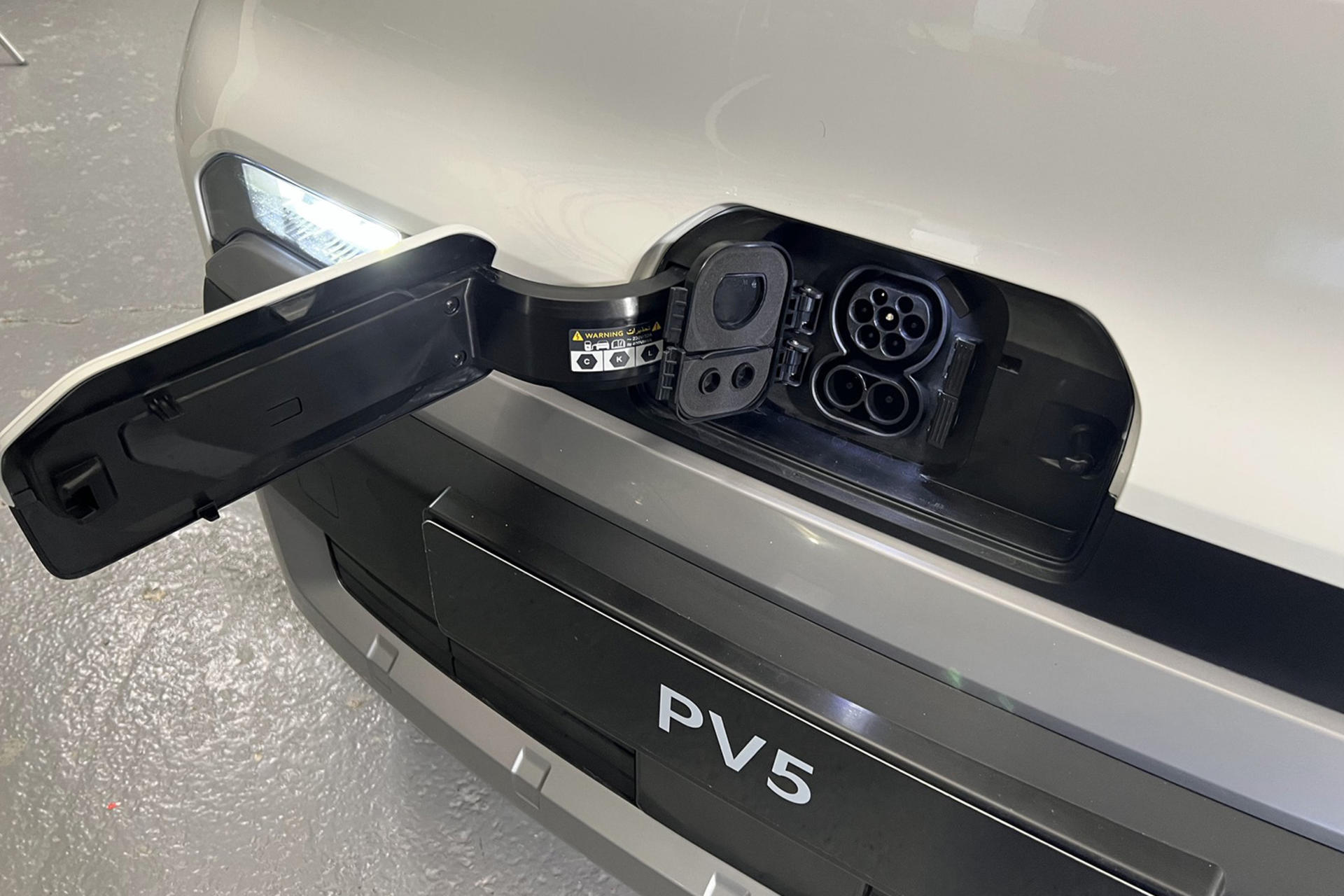
For most urban and suburban commercial applications, a single overnight AC charge covers a full working day comfortably. The AC charging speed is 10.5kW on board, with a 10 to 100 per cent charge on an 11kW charger taking approximately six and a half hours.
When rapid charging is needed, the PV5 supports DC charging at up to 128kW. On a 350kW charger, the battery goes from 10 to 80 per cent in approximately 30 minutes. On a more commonly found 50kW public charger, that stretch takes around 61 minutes. The 128kW maximum DC charging rate is not class-leading against passenger car benchmarks, but it is a practical figure for a commercial van operator where a 30-minute stop aligns with a meal break or a pick-up window.
Kia PV5 Cargo Interior and Technology: A Proper Mobile Workspace
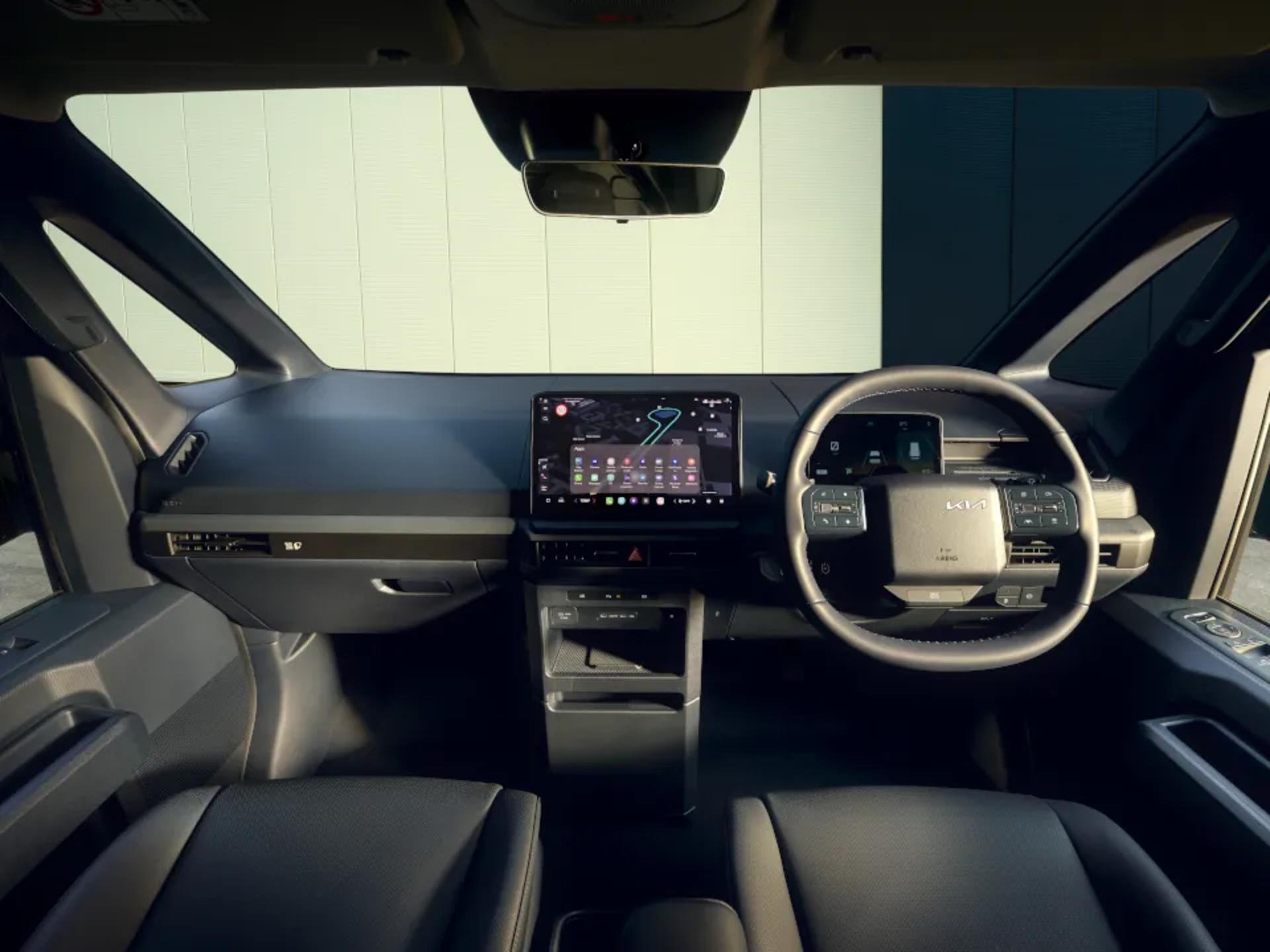
The two-seat cabin is built around a 7.5-inch digital instrument cluster and a 12.9-inch central infotainment screen with satellite navigation, wireless Apple CarPlay and Android Auto, DAB digital radio and Bluetooth multi-connection. Wireless phone charging is standard, as are two USB-C ports and a 12-volt outlet.
Kia Connect telematics, providing remote vehicle monitoring, charging status, real-time traffic and over-the-air software updates, is standard and included free of charge for seven years from the warranty start date. For fleet operators managing multiple vehicles, the remote monitoring capability reduces administrative overhead and removes the need for additional fleet tracking hardware.
Storage is a notable strength of the cabin. Beyond the standard door pockets and centre console, the PV5 includes a lidded dashboard tray, a small drawer at floor level between the seats, and under-floor storage bins on both the driver and passenger sides. For tradespeople carrying small parts, tools, paperwork and devices, the storage density is genuinely impressive.
The solid partition separating the cab from the cargo area is standard on Australian models. The cargo area has its own LED lighting, eight floor-mounted tie-down points, and an interior V2L socket for powering equipment.
V2L Capability: What 3.6kW of On-Board Power Means in Practice
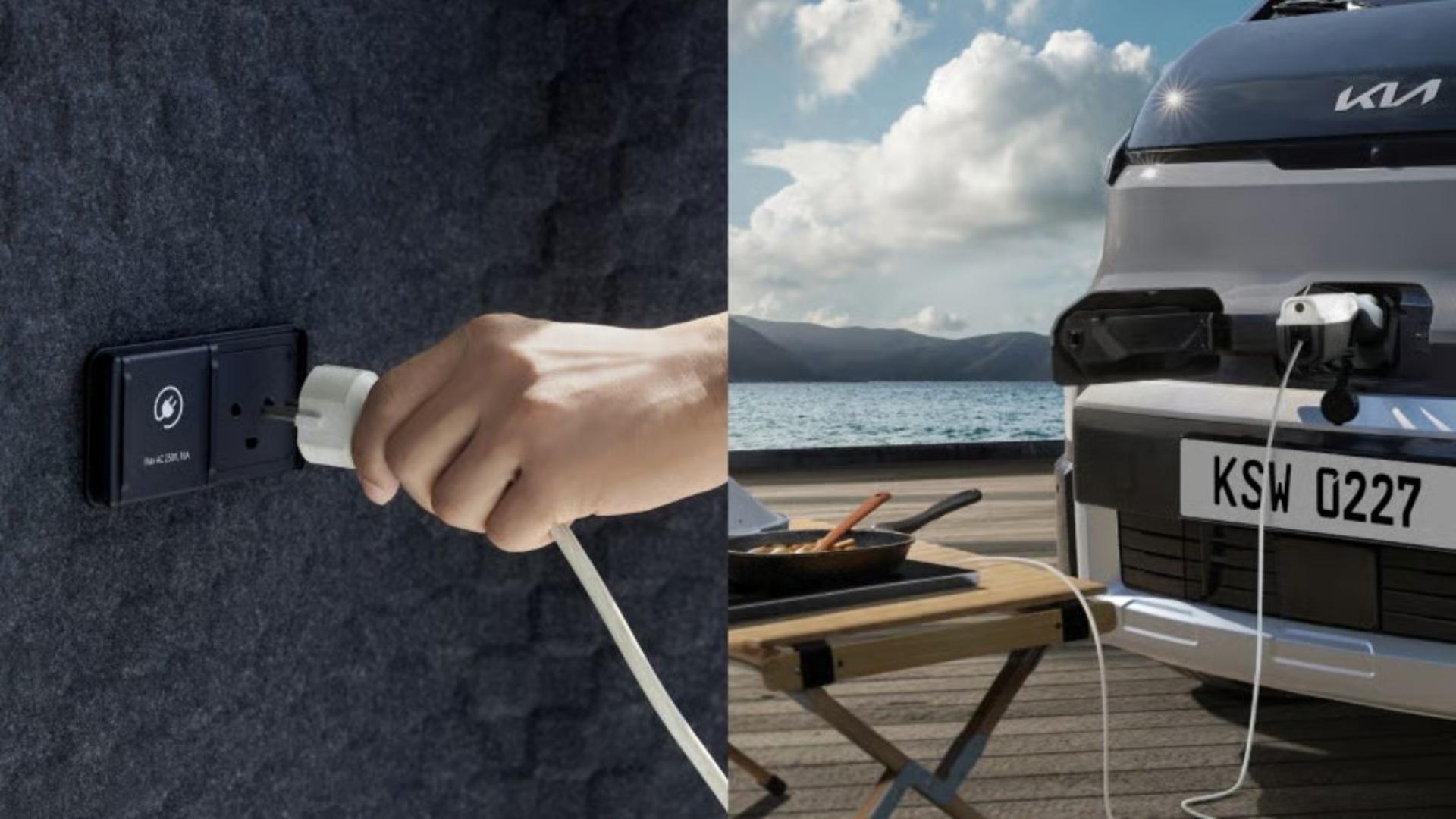
Vehicle-to-Load (V2L) is one of the PV5's most commercially useful features and one that sets it apart from diesel rivals in a practical way, not just as a gimmick. The system delivers up to 3.6kW through an Australian-standard interior outlet in the cargo area and an external adaptor supplied as standard.
For tradespeople and mobile service operators, this eliminates or significantly reduces the need for a separate generator on site. Cordless tool battery chargers, site lighting, laptops and small power tools can all be run directly from the van's battery. The output is not a substitute for a large site generator on high-draw applications, but for the majority of day-to-day trade scenarios it is sufficient.
Kia PV5 Cargo Payload and Practical Limitations
Maximum payload is 740kg with a gross vehicle mass of 2,650kg and a kerb weight of 1,910kg. This is lower than most diesel rivals in the segment and is a genuine consideration for buyers whose applications approach the payload limit. Buyers planning to fit internal racking, shelving or a permanent fit-out should calculate the weight of their conversion before committing to a payload figure.
Braked towing capacity is 750kg, notably lower than some rivals including the VW ID. Buzz Cargo at 1,200kg braked. The PV5 is not a towing vehicle in practical commercial terms.
The turning circle of 11.0 metres is a genuine advantage in urban environments, and the surround view monitor with 3D mode makes close-quarters manoeuvring in loading docks, tight laneways and busy urban delivery zones considerably less stressful.
Kia PV5 Cargo Safety
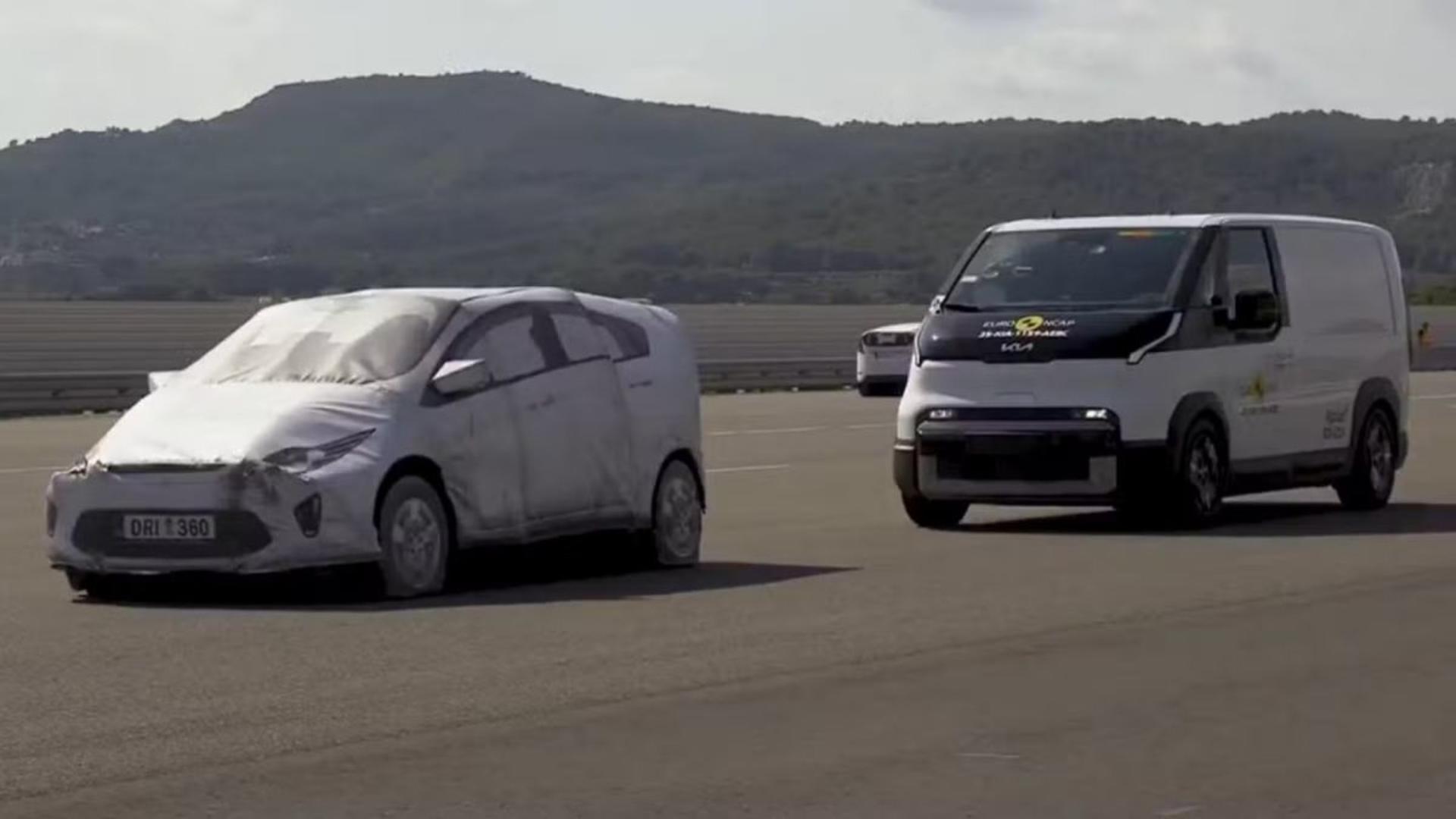
The PV5 Cargo has earned an ANCAP Platinum safety grading with an overall performance score of 91 per cent, the highest grading available and a result that places it well ahead of most commercial van rivals. Standard safety equipment includes autonomous emergency braking covering cars, pedestrians, cyclists and junction-turning scenarios, lane keeping assist, lane following assist, highway driving assist, blind spot collision avoidance, safe exit warning, driver attention warning, intelligent speed limit assist, a surround view monitor with 3D mode, and blind spot view monitor.
Kia PV5 Cargo Warranty and Servicing
Warranty Coverage
| Coverage | Term |
|---|---|
| Standard business use | 7 years / unlimited km |
| High-intensity commercial use (courier, hire, fleet) | 7 years / 150,000km |
| High-voltage battery and motor | 8 years / 160,000km |
| Kia Connect telematics (complimentary) | 7 years from warranty start |
The key distinction for business buyers is the split between standard and high-intensity commercial use. Vehicles registered for courier, delivery fleet, hire or similar high-utilisation roles are covered for seven years or 150,000km, whichever comes first, rather than the unlimited-kilometre term available to standard business registrations. The battery warranty at eight years or 160,000km applies regardless of use type.
Capped Price Servicing
The PV5 is serviced every 24 months or 30,000km, whichever comes first, a considerably longer interval than most diesel commercial vehicles. Kia's capped price servicing program covers the first eight years of ownership across four services:
| Service Plan | Coverage | Capped Price (inc. GST) |
|---|---|---|
| 2-Year Plan | 1 service (30,000km / 24 months) | $528 |
| 4-Year Plan | 2 services (60,000km / 48 months) | $1,051 |
| 6-Year Plan | 3 services (90,000km / 72 months) | $1,648 |
| 8-Year Plan | 4 services (120,000km / 96 months) | $2,246 |
The total capped servicing cost across the first eight years is $2,246 inc. GST, a significantly lower servicing spend than a comparable diesel van over the same period, before accounting for the elimination of fuel costs.
Kia PV5 Cargo Full Specifications
| Specification | Kia PV5 Cargo S Long Range |
|---|---|
| Platform | Kia E-GMP.S |
| Motor | Front permanent magnet synchronous |
| Power | 120kW |
| Torque | 250Nm |
| Drive | Front-wheel drive |
| Battery | 71.2kWh NMC lithium-ion |
| WLTP Range | 416km |
| Energy Consumption (WLTP) | 19.1kWh/100km |
| Max DC Charging Rate | 128kW |
| DC Charge 10-80% (350kW) | Approx. 30 min |
| DC Charge 10-80% (50kW) | Approx. 61 min |
| AC Charge 10-100% (11kW) | Approx. 6h 30m |
| V2L Output | 3.6kW |
| Cargo Volume | 4,420L (VDA) |
| Cargo Length (max internal) | 2,255mm |
| Cargo Width (max internal) | 1,565mm |
| Cargo Height (max internal) | 1,520mm |
| Load Floor Height | 419mm |
| Tie-Down Points | 8 |
| Payload | 740kg |
| GVM | 2,650kg |
| Kerb Weight | 1,910kg |
| Towing (braked) | 750kg |
| Exterior Length | 4,695mm |
| Exterior Width | 1,895mm |
| Exterior Height | 1,899mm |
| Wheelbase | 2,995mm |
| Turning Circle | 11.0m |
| Ground Clearance | 143mm |
| Seats | 2 |
| Wheels | 16" steel with covers |
| Tyres | 215/65 R16 |
| Infotainment | 12.9" touchscreen + 7.5" cluster |
| ANCAP | Platinum (91%) |
| Warranty | 7 years / unlimited km |
| Battery Warranty | 8 years / 160,000km |
| Capped Servicing | 8 years / 4 services / $2,246 total |
| Colour Options | Clear White only (at launch) |
| RRP | $55,990 before on-road costs |
Should You Buy the Kia PV5 Cargo?

The Kia PV5 Cargo is not without limitations. The 740kg payload is lower than most diesel equivalents, the 750kg braked towing capacity is modest, it seats two only, and it comes in a single colour at launch. For buyers whose applications push those boundaries, this will narrow the field.
For the applications it is designed for, however, it is a very strong package. The pricing is genuinely competitive against diesel rivals on purchase cost alone. The warranty and servicing terms are class-leading. The safety rating is the best available. The technology suite is more advanced than anything in this price class. V2L capability adds real practical utility for trades and field service applications. And the dedicated electric platform delivers cargo space that an adapted diesel van at this price simply cannot match.
If you operate a business running predictable urban or suburban routes, need a capable two-person cargo van with strong running cost economics, and have charging access at your depot or home overnight, the PV5 Cargo is worth serious consideration at $55,990 before on-road costs.