
New vs Used Car in Australia: Which Makes More Financial Sense?
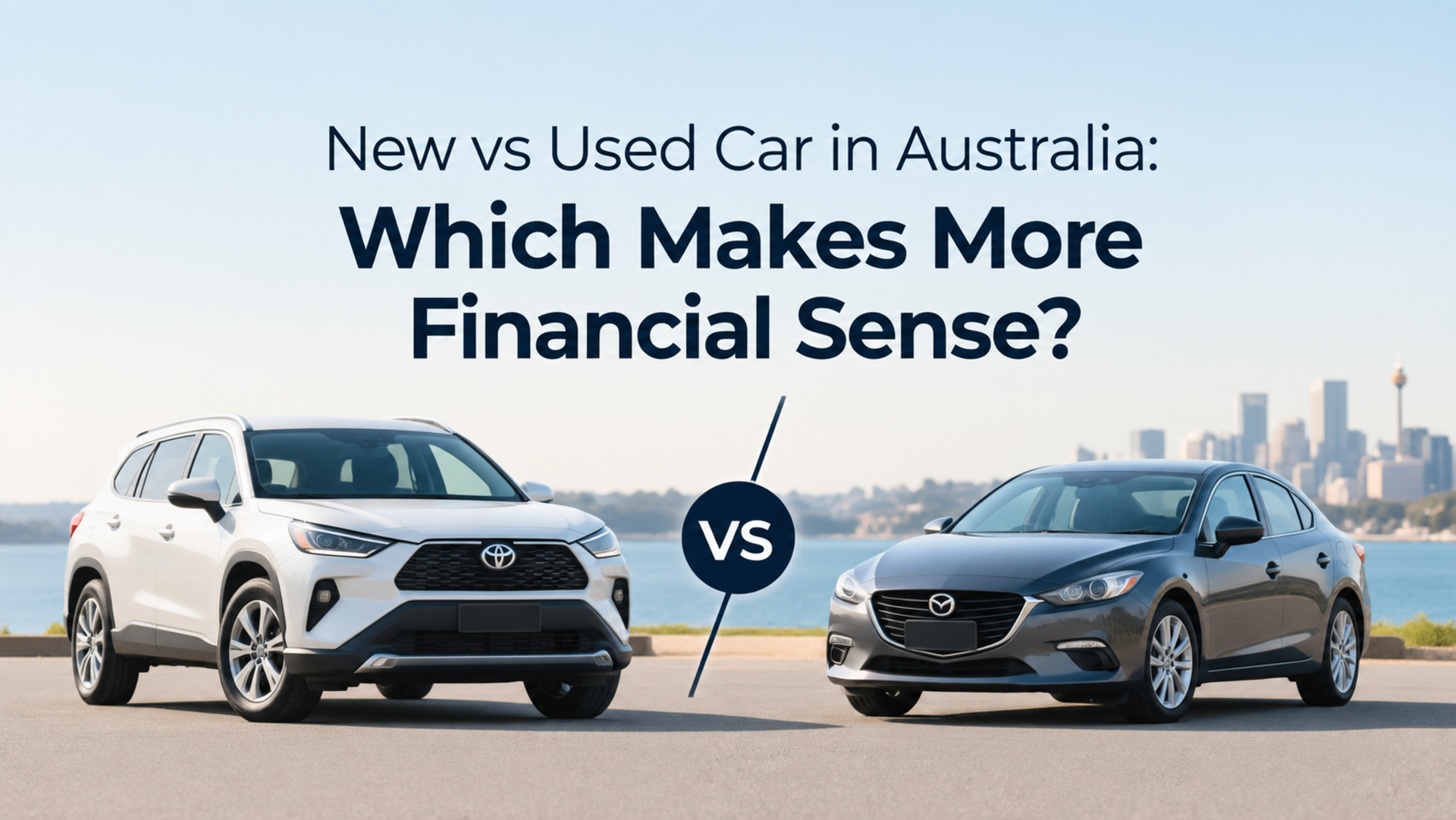
Choosing between a new vs used car in Australia is one of the biggest financial decisions most households make outside of buying a home. The sticker price is only the beginning — depreciation, insurance, servicing, and financing costs all shape the true financial cost of buying a car over time. This guide breaks down the numbers so you can decide with confidence whether a new or used car Australia buyers should choose fits your budget and lifestyle.
Why the New vs Used Car Australia Debate Matters
Every year, thousands of Australians face the same crossroads: do you stretch the budget for a brand-new vehicle with the latest safety tech and full warranty, or do you save upfront and buy something with a few years — and a few thousand kilometres — already on the clock? The new vs used car Australia decision isn't just about what you can afford today; it's about what the vehicle will cost you over the next five to ten years.
If you're still comparing finance options, our car loan calculator can help you model repayments for either scenario before you commit.
New Car Depreciation Australia: The Silent Cost
The single biggest factor tilting the new vs used car Australia conversation is depreciation. New car depreciation Australia figures are sobering: most new vehicles lose 15–20% of their value the moment they're driven off the dealership lot, and by the end of year one, many models have shed 20–30% of their original price. By year three, it's common for a new car to be worth only 50–60% of what you paid.
This is precisely why new car depreciation Australia trends make used vehicles so appealing to budget-conscious buyers. When you buy a car that's already two or three years old, someone else has absorbed that steepest depreciation curve. A used vehicle typically depreciates at a much gentler rate — often 10–15% per year — which means your asset retains more of its value over time.
Understanding new car depreciation Australia patterns is essential if you're planning to sell or trade in within five years, since depreciation directly affects your resale return and therefore the real financial cost of buying a car.
Used Car vs New Car Cost: Breaking Down the Numbers
When comparing used car vs new car cost, it helps to look beyond the purchase price. Here's what typically factors into the used car vs new car cost equation:
- Purchase price — used cars are almost always cheaper upfront, sometimes by 30–50%
- Depreciation — as covered above, new cars lose value faster in the early years
- Insurance premiums — new cars generally cost more to insure due to higher replacement value
- Servicing and repairs — new cars are usually covered by manufacturer warranty; used cars may need more frequent repairs, especially once warranty coverage lapses
- Registration and stamp duty — calculated as a percentage of the vehicle's value, so new cars attract higher government charges
- Finance costs — loan amounts and interest paid over the life of the loan differ significantly between new or used car Australia purchases
When you add these up, the used car vs new car cost gap often favours used vehicles by tens of thousands of dollars over a five-year ownership period — even accounting for slightly higher repair costs.
The Financial Cost of Buying a Car: A Total Cost of Ownership View
Smart buyers don't just look at price tags — they calculate the financial cost of buying a car using total cost of ownership (TCO). This includes:
- Purchase price minus any trade-in
- Loan interest over the loan term
- Insurance premiums annually
- Fuel or charging costs
- Scheduled servicing and unexpected repairs
- Depreciation, or the difference between what you paid and what you'll eventually sell it for
Calculating the true financial cost of buying a car this way often reveals that a slightly older, well-maintained used vehicle can be significantly cheaper to own than a brand-new equivalent, even if the used car needs a repair or two along the way. Try running your own numbers with our true cost of ownership calculator to see how the financial cost of buying a car stacks up for the specific models you're considering.
Buying New vs Used Car: The Case for New
Despite the depreciation hit, buying new vs used car still makes sense for plenty of Australians. Reasons to lean new include:
- Full manufacturer warranty — typically five to seven years, covering major mechanical failures
- Latest safety technology — autonomous emergency braking, lane-keep assist, and updated ANCAP ratings
- No unknown history — no risk of hidden accident damage, odometer tampering, or deferred maintenance
- Lower finance rates — lenders often offer better interest rates on new vehicle loans
- Customisation — choose your exact colour, trim, and features
For buyers who plan to keep a vehicle for a decade or more, or who prioritise cutting-edge safety for young families, buying new vs used car decisions frequently favour new, since the depreciation sting is diluted over a longer ownership period.
Buying New vs Used Car: The Case for Used
On the other side of the buying new vs used car ledger, a well-chosen used vehicle offers:
- Lower purchase price and smaller loan
- Slower depreciation from this point forward
- Lower insurance and registration costs
- Access to higher trim levels or larger vehicles for the same budget
- Reduced financial risk if your circumstances change and you need to sell
Late-model used cars (two to four years old) with remaining factory warranty often represent the sweet spot in the new vs used car Australia market — you get most of the reliability benefits of new ownership at a meaningfully lower used car vs new car cost.
New or Used Car Australia: How to Decide
There's no universal right answer to the new or used car Australia question — the best choice depends on your finances, how long you'll keep the car, and how much risk you're comfortable with. Ask yourself:
- How long do I plan to keep this vehicle?
- Can I comfortably absorb an unexpected repair bill on a used car?
- Is the peace of mind of a full warranty worth the depreciation cost of buying new?
- How does financing affect my monthly budget either way?
Working through these questions honestly is the fastest way to settle the new or used car Australia debate for your own situation. Many buyers also find it useful to compare specific finance structures — including whether a balloon payment car loan could reduce monthly repayments on either a new or used purchase.
Frequently Asked Questions
Is it better to buy new or used in Australia right now? It depends on interest rates, used car supply, and your personal circumstances, but generally, a two-to-four-year-old used car offers the best balance in the new vs used car Australia market today.
How much does new car depreciation Australia typically cost buyers? Most new vehicles lose 20–30% of their value in the first year alone, which is the single biggest driver of new car depreciation Australia costs.
Does the used car vs new car cost gap ever close? Yes — as a used car ages further and requires more maintenance, the used car vs new car cost gap can narrow, particularly on vehicles older than seven or eight years.
Final Thoughts
The new vs used car Australia decision ultimately comes down to balancing upfront affordability against long-term value. By understanding new car depreciation Australia trends, comparing the used car vs new car cost realistically, and calculating the full financial cost of buying a car, you can make a decision that suits your budget rather than just your emotions. Whether buying new vs used car, get your finance sorted first — explore our car finance options to compare rates before you start shopping.