
Power Up Your EV Adventure: The Ultimate Guide to Charging in Australia
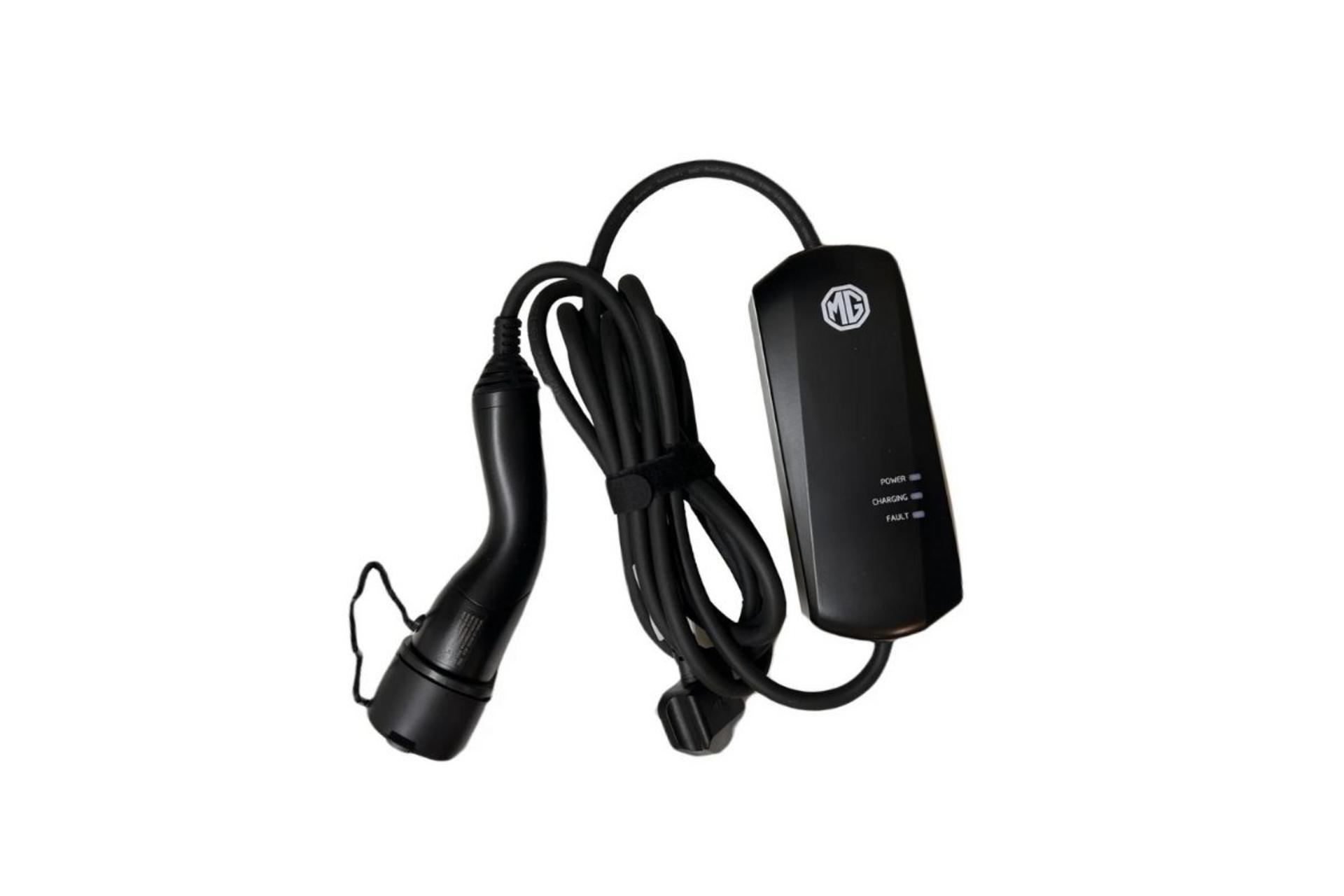
Plug In and Power Up: A Guide to EV Charging Types and Gear
Last updated: 29th January 2026
Welcome, future EV driver! As you explore the exhilarating world of electric vehicles, one crucial question arises: how do I keep my future EV charged up?
Fear not, DriveWise is here to illuminate the path with a comprehensive guide to EV charging in Australia.
Buckle up, and let's navigate the different options and gear you need to keep your electric adventure rolling smoothly.
Level 1: The Sipping Sip of Home Charging
Think of Level 1 charging as the sippy cup of the EV world. Plugging your car into a standard 240v outlet, like the one powering your toaster, delivers a gentle trickle charge of about 8-10 kilometres of range per hour. It's perfect for overnight top-ups or if you have the luxury of time, but not ideal for those needing a quick energy boost.
Level 2: The Home Sweet Home Station for Faster Refuels
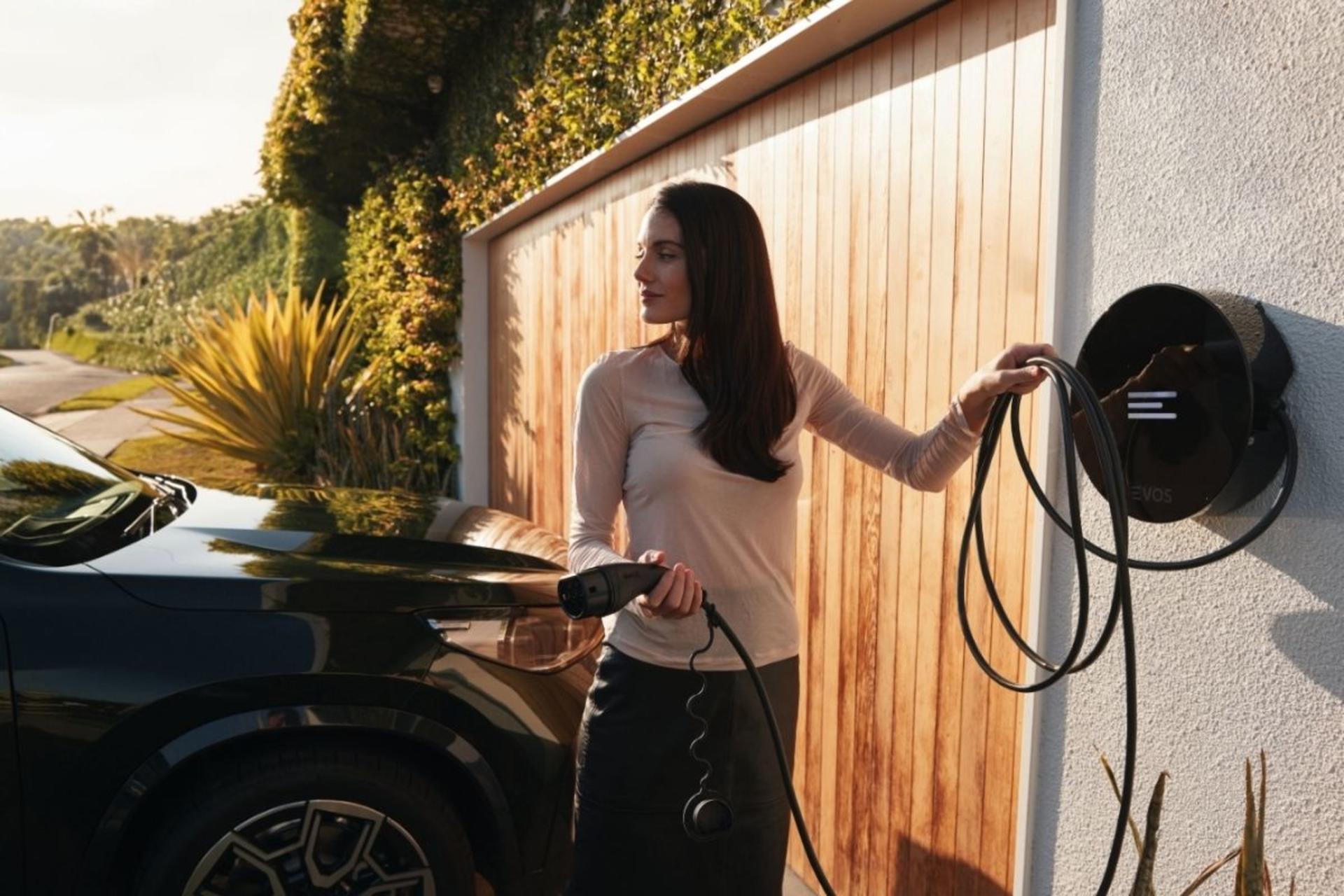
Level 2 charging steps things up, delivering a much faster pace via single or three-phase power, adding around 30-55 kilometres of range per hour. Most home EV chargers are single phase, making them ideal for convenient overnight refuels. They're also increasingly common in public places like workplaces and shopping centres, offering a top-up while you grab groceries or catch a movie.
Level 3: DC Fast Charging – Your Speedy Superhero
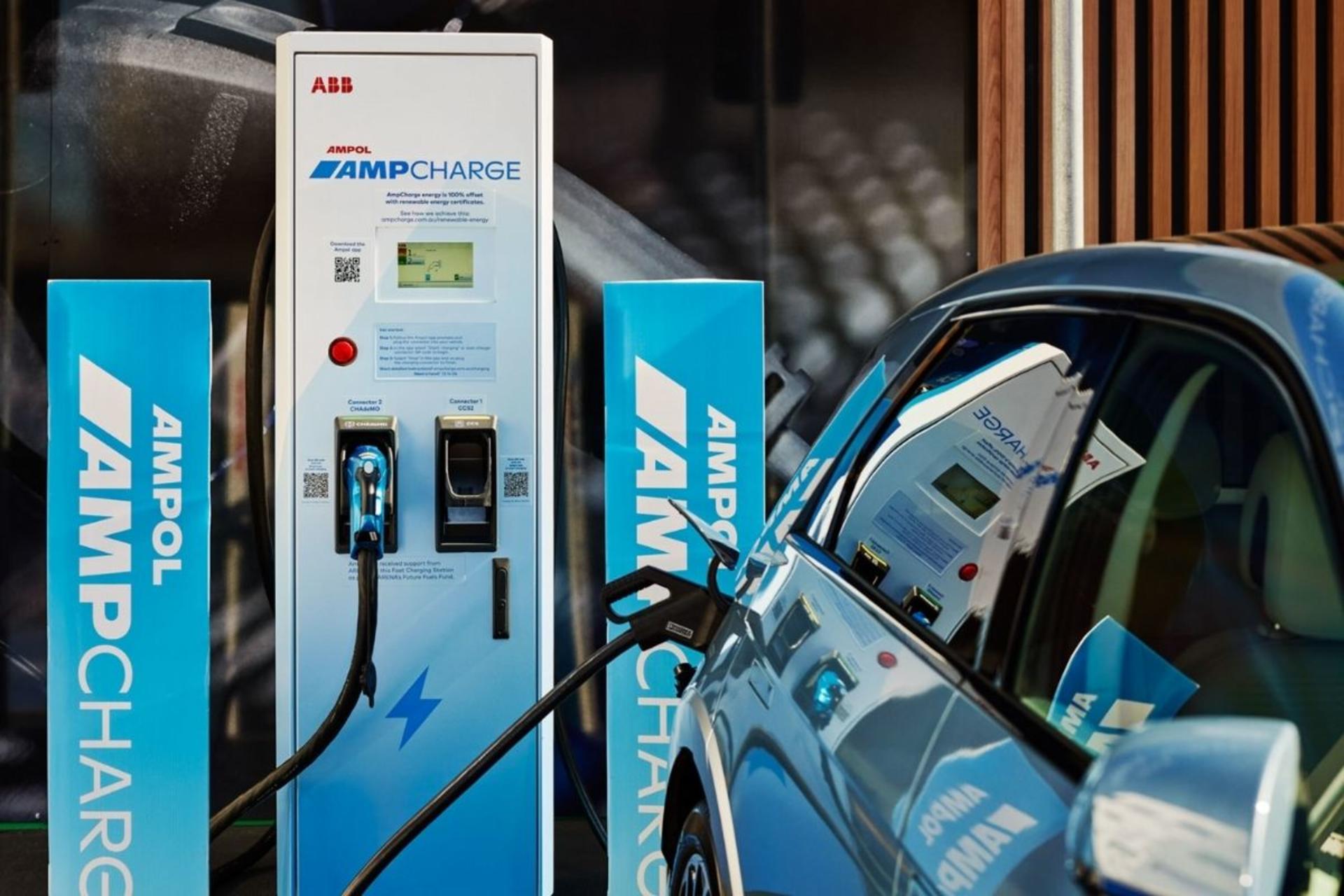
Need a quick top-up on that road trip? Level 3 DC fast charging is your knight in shining armour. Think of it as an intravenous drip for your EV, pumping in hundreds of kilometres of range in just 30 minutes. These powerful chargers are typically found around the city, along major highways and dedicated fast charging stations at shopping centres, perfect for long road trips or when you're short on time.
The Gear Game: Plugging In and Playing Like a Pro
Now, before you start picturing yourself as a superhero wielding a charging cable, let's talk about the equipment you need. Most EVs come with a Level 1 charger, the basic cable that plugs into your standard wall outlet. However, for Level 2 charging at home, you'll need to invest in a dedicated charger unit. These range in price and features, so consider your needs and budget. Public charging stations typically have their own equipment, so you're good to go with just your car, one exception to this is Level 2 public chargers, which usually require you to BYO Type 2 to Type 2 cable.
Considerations for Choosing the Right Charger:
- Your Driving Habits: How often do you drive? How far? Long commutes might necessitate Level 2 home charging, while occasional drives might be fine with Level 1.
- Budget: Level 2 home chargers can be a significant investment, so weigh the cost against your charging needs.
- Availability of Public Charging: If you live in an area with plentiful public Level 2 or DC fast charging options, you might not need a home charger at all.
- Your EV's Charging Compatibility: Different EVs have different charging capabilities, so ensure your charger matches your car's specs.
Bonus Tip: Check out our app guide for apps that help map out EV charging stations in your area, making your recharging adventures a breeze!
Remember, there's no one-size-fits-all approach to EV charging. The key is to understand your needs and choose the options that best suit your lifestyle and budget. So, plug in, power up, and enjoy the electrifying journey ahead! DriveWise is here to support you every step of the way, from choosing the perfect EV to keeping it charged for your commute or weekend adventures.
We hope this guide helps you navigate the exciting world of EV charging with confidence. Happy driving!