
2026 Xpeng P7 Ultra Review: China's Smartest Electric Sedan Drives With Quiet Confidence
Written by Daniel Romero
After 20 years in the Australian automotive industry, I have been fortunate to have seen almost every "game-changing" electric sedan arrive with a press release full of hyperbole and empty promises of tomorrow's future.
However, my experience during a visit to Guangzhou with Xpeng in November of 2025 was different, a promise of functional self-driving that actually worked in real life when we tested it on the 2025 Xpeng P7+ and G7, fast-forward to April of 2026, and I jumped at the opportunity to test out the latest VLA2.0 self-driving technology on the 2026 Xpeng P7 Ultra, with a hint of doubt that it could top what I had previously been impressed by.
More Than a Car Company That Happens To Do Tech
Before I get into what the P7 Ultra is like to drive, I need to talk about what Xpeng actually is, because I think most Australians still have the wrong idea.
Xpeng is not a car company trying to bolt clever screens onto an otherwise ordinary vehicle and call it innovation. It's not chasing volume through razor-thin margins the way certain brands have done in recent years, flooding markets with cheap product and hoping brand loyalty follows. That's not the playbook here.
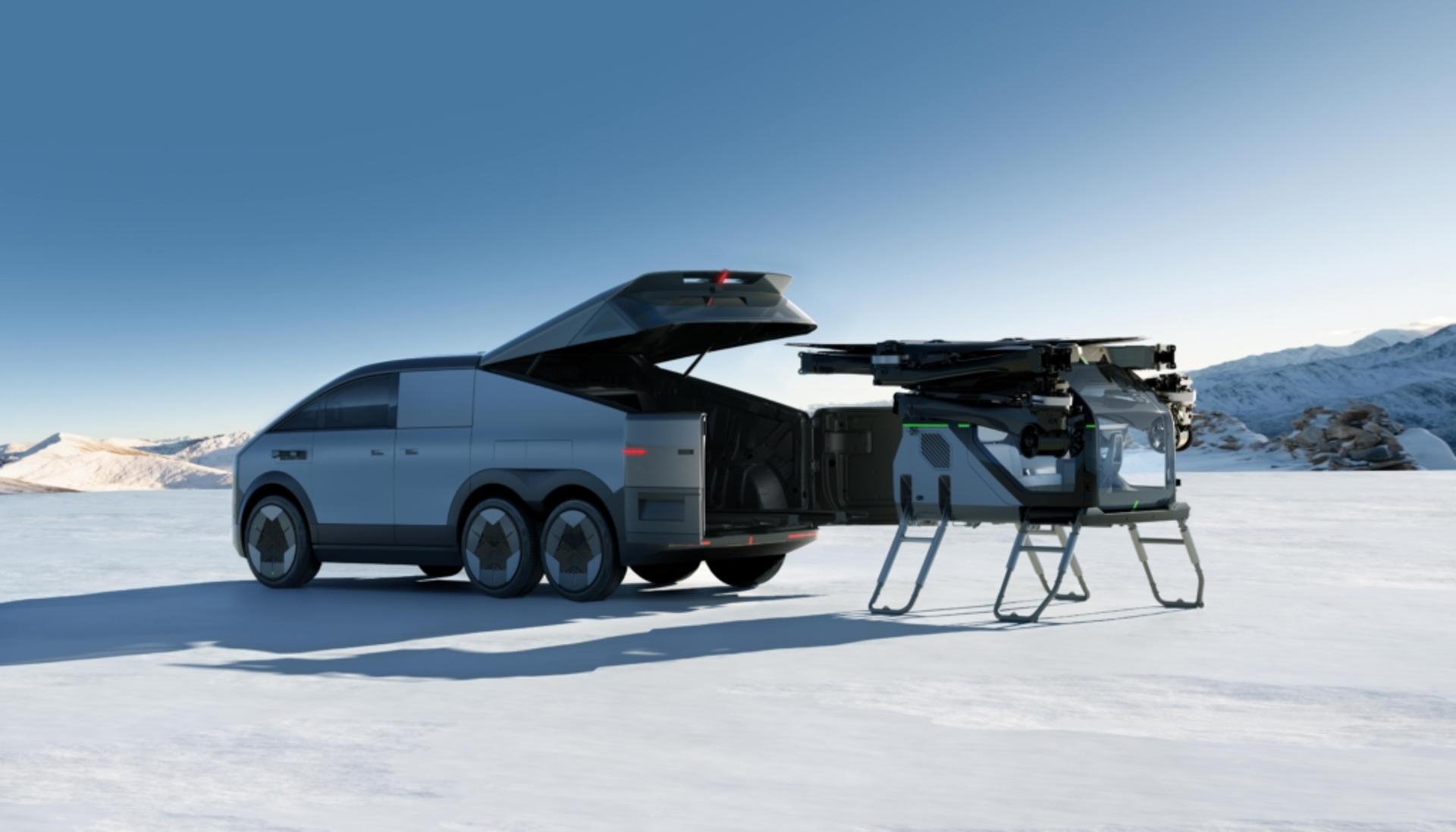
Xpeng is a technology company. A genuine, full-stack, self-developed technology company that builds humanoid robots, has a flying car programme with over 7,000 pre-orders, has commenced mass production of its own Robotaxi, and has developed its own purpose-built AI chip called the Turing chip 1112. Oh, and they also make cars. Exceptionally good ones.
That distinction matters, and it's the reason the P7 Ultra feels different from anything else in its class. The technology in this car isn't an afterthought. It wasn't designed by a supplier and integrated by an engineering team working to a budget. The technology is the car. It was there at the beginning of the conversation, at the first sketch, at the first line of code. Everything else, the body, the suspension, the seats, was built around it. And that's why, when you sit in the P7 Ultra and start using its systems, nothing feels forced. Nothing feels like it was added later. It all just fits, like a glove that was moulded to your hand rather than picked off a shelf.
A Presence That Changes The Room
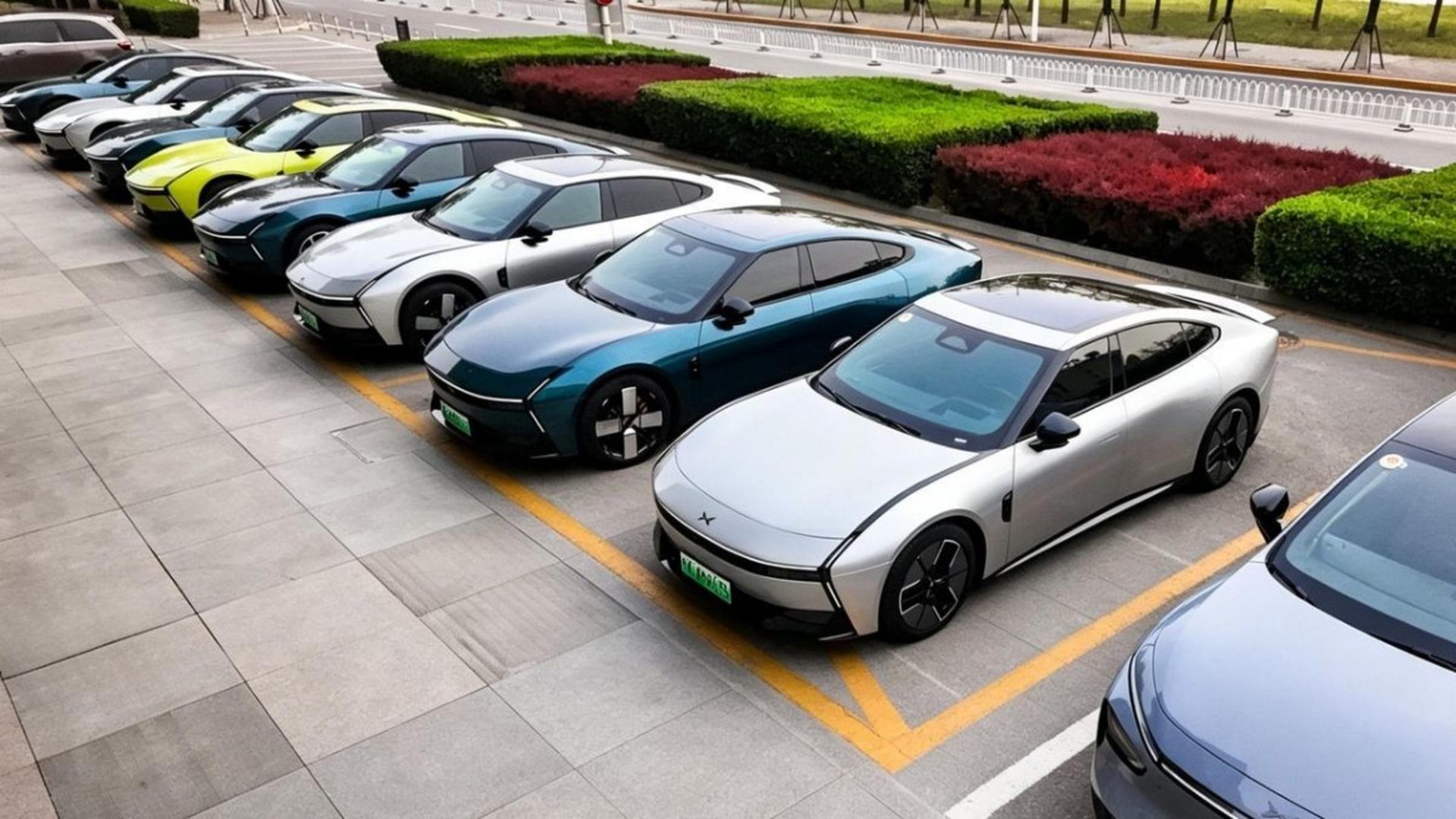
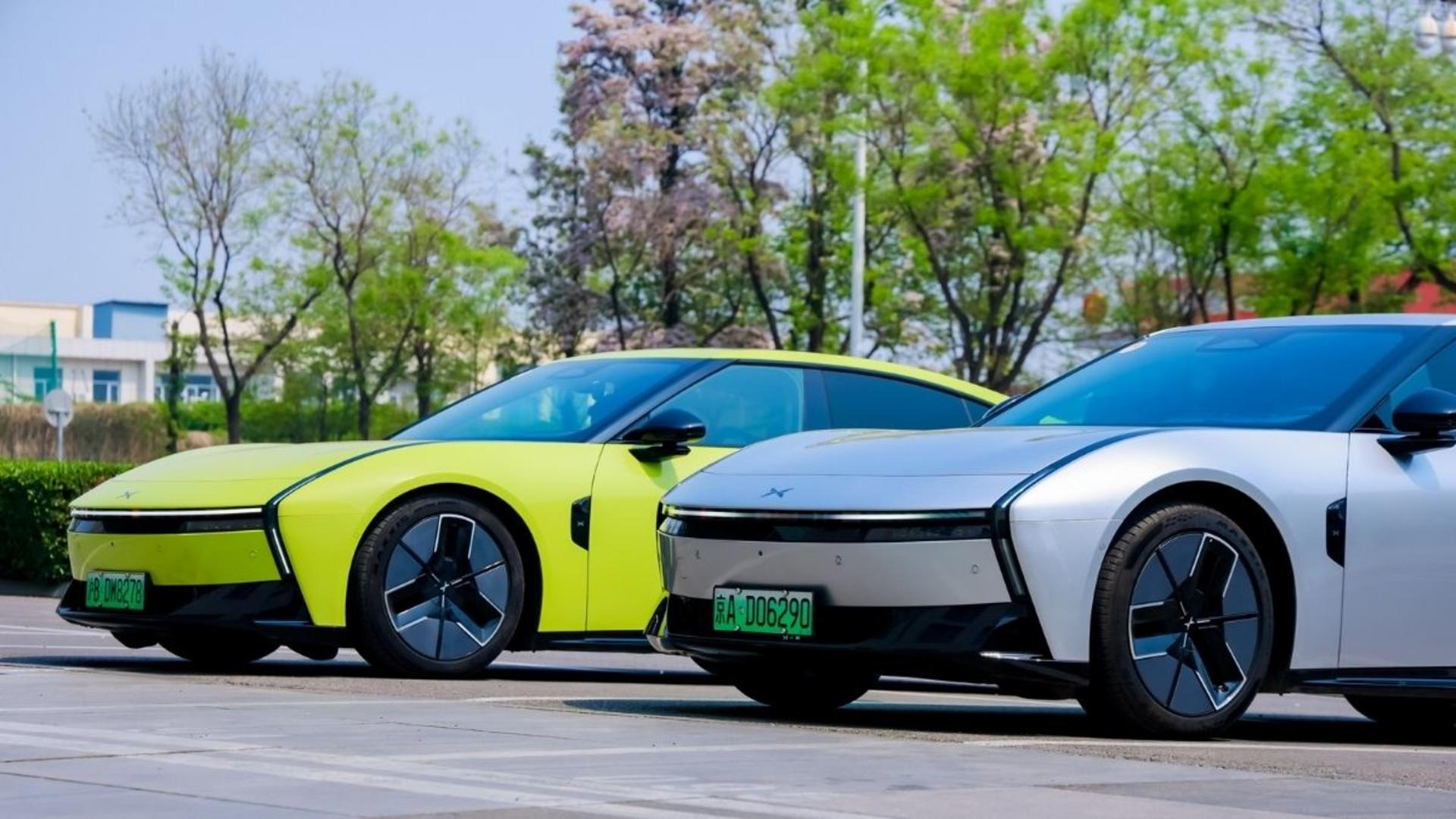
I collected my test car from Hilton Beijing Capital Airport, and no matter how many times I've seen it in the flesh, it looks stunning!
The P7 Ultra has a visual authority that's hard to articulate until you're standing next to one. A full-width LED light bar across the front, flanked by vertically stacked daytime running lights that frame the bonnet edges, it has an almost Star Wars feel to it. Flush-mounted door handles that sit completely flat against the body. Twenty-inch alloys with bright orange Xpeng-branded, 4 pot Brembo brake callipers visible through the spokes. And at the rear, an aggressive lift-back slope with a sharp full-width tail-light that gives the whole car a proper luxury sports coupe stance and thats before the electric wing pops.
And, in a country where cool cars and futuristic designs is the norm, the P7 Ultra draws the attention of onlookers everywhere it goes. This is not a car that blends in, and it's not a car that looks like it borrowed its identity from somebody else's design language. Six years of refinement have gone into shaping this second-generation P7, and the result is something that has its own voice. An original one.
Here's the thing that gets me. This car, this shape, this level of design execution, exists in a segment where the default choices are German, Japanese, or increasingly, Korean. And the P7 Ultra doesn't just hold its own visually against those players. In some cases, it makes them look a generation behind.
What's Underneath
Let's talk numbers, because they matter, and because the P7 Ultra's Chinese-market specifications tell a story that should make every premium sedan manufacturer pay attention.
| Specification | P7 Ultra Performance AWD (Chinese Market) |
|---|---|
| Architecture | 800V high-voltage platform |
| Charging technology | 5C ultra-fast charging |
| Charging speed (10-80%) | 11 minutes |
| Maximum range (WLTP) | 615 km |
| Maximum power | 437 kW / 586 BHP |
| Maximum torque | 695 Nm |
| 0-100 km/h | 3.7 seconds |
| Top speed | 230 km/h |
| Assisted driving | VLA 2.0 end-to-end AI model |
| Instrument cluster | 10.25-inch digital display |
| Infotainment | Central touchscreen with 3D Xmart OS |
| Voice assistant | "Hey XPENG" natural language control |
| Audio system | Dynaudio with Dolby Atmos |
| Connectivity | 4x USB ports, 12V outlets |
| Convenience | Wireless charging, electric tailgate |
| Steering wheel | Heated, multifunctional |
| Wheels | 20-inch alloys with branded callipers |
| Body style | Four-door coupe lift back |
| Safety | Euro NCAP 5-star (P7 model line) |
| Range-topping price (China) | From CNY198,000 (Approx. A$42,000) |
Australia has not been confirmed as a market for the P7 Ultra, so global specifications and pricing have been provided.
Read that table again. 437 kW. 3.7 seconds to 100 km/h. 615 km of WLTP range. And a 10% to 80% charge in eleven minutes. This is not a car playing catch-up. This is a car updating the playbook.
And for context, the P7 Ultra set a global endurance record for a mass-produced electric vehicle, covering 3,961 kilometres in a single 24-hour period at a circuit in Changchun, verified by third-party observers. At one point during that run, it was clocked at over 210 km/h. This is a car with genuine stamina, not just straight-line punch.
The Brains Behind The Beauty
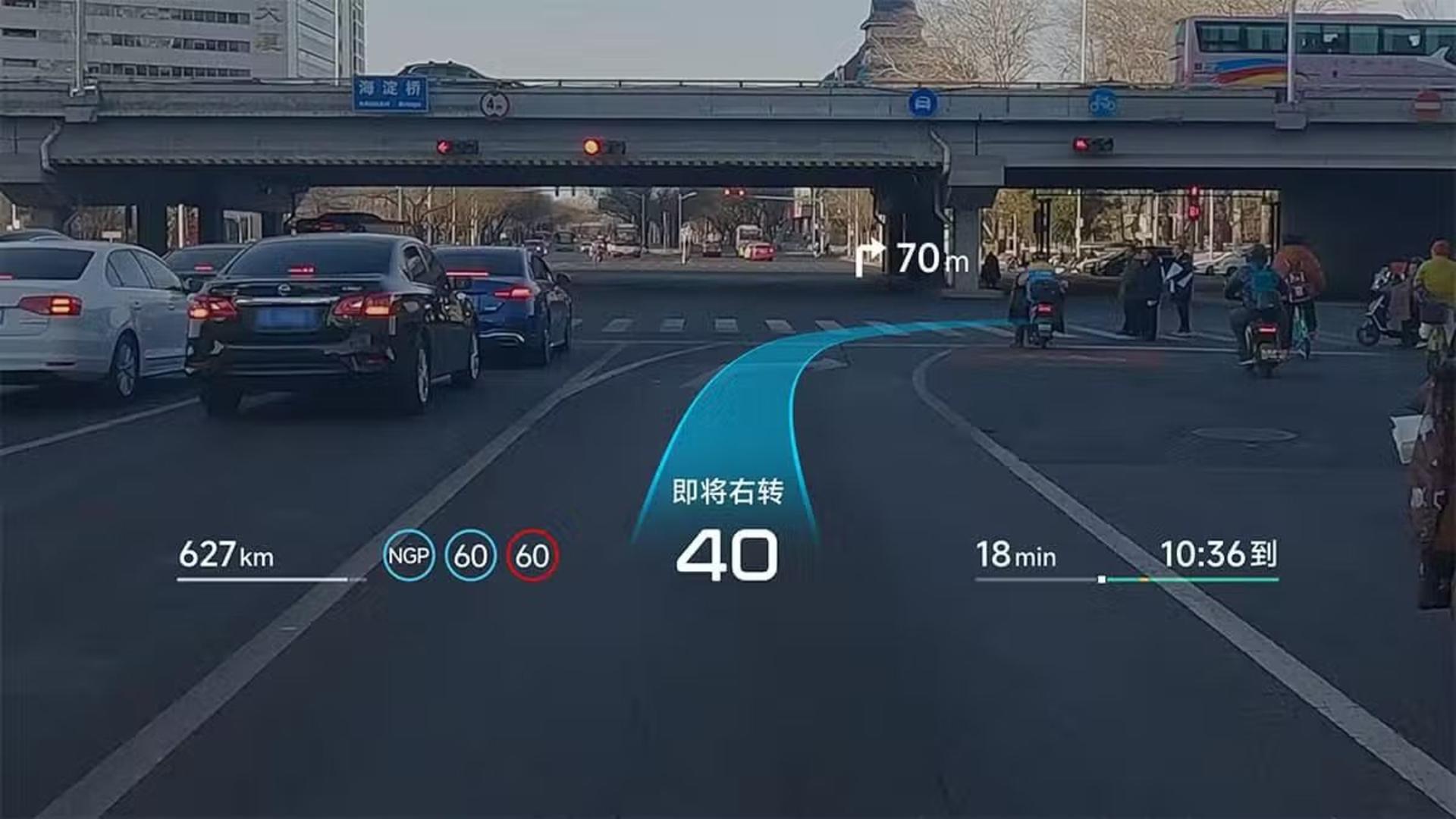
I spent roughly an hour navigating Beijing traffic in the P7 Ultra, and the thing that impressed me most was Xpeng's VLA 2.0 assisted driving system.
VLA stands for Vision-Language-Action, and what Xpeng has done with version 2.0 is genuinely clever. Older assisted driving systems work in stages: the car sees something, then thinks about what that thing means, then decides what to do, then does it. Each step feeds the next in a rigid, linear chain. It works, but it can feel hesitant, mechanical, and occasionally puzzling in its choices.
VLA 2.0 throws that architecture out. Xpeng calls it a "Vision-Implicit Token-Action" pathway, which sounds technical, but the practical upshot is simple, the car skips the language translation step entirely and goes straight from what it sees to what it does, in one unified flow. It perceives, reasons, and acts simultaneously, with a system response time under 80 milliseconds. That's closer to how a human brain processes a driving situation than any system I've tested.
I drove Xpeng's previous-generation XNGP system in November 2025 and came away impressed. XNGP already felt more natural than Tesla's Full Self-Driving, which I've always found oddly hesitant in traffic, second-guessing lane changes, braking when it shouldn't, generally lacking the calm assertiveness that experienced drivers take for granted. Xpeng's system, even then, drove with quiet confidence.
VLA 2.0 is a clear, noticeable step up from that. Lane changes happen with firmer intent. Merging into tight traffic feels less like the car asking for permission and more like it reading the room and making a decision. It still prioritises safety, but it does so with the composure of someone who's been driving for twenty years, not twenty weeks. On Beijing's chaotic arterial roads, it genuinely reduced the stress of the commute. I had headspace to think about the car itself rather than the traffic around me.
What makes this even more remarkable is that VLA 2.0 isn't locked to one application. Xpeng has built it as a cross-domain model, meaning the same underlying AI powers their cars, their humanoid robots, and their flying car programme. The intelligence in your P7 Ultra shares DNA with machines that walk and fly. That's a level of technological depth that no European or Japanese rival can currently match. I believe that's also why the tech works!
How Does The XPENG P7 Actually Drive?
Power delivery in the city is smooth and refined. The P7 Ultra doesn't lunge off the line like it's auditioning for a drag strip. It picks up speed with a quiet, composed urgency that feels right for urban driving. The muscular reserves, all 437 kW and 695 Nm, are clearly there for highway overtaking and spirited driving, but in traffic, the car's tuning favours composure over theatrics. That's the correct call for a car designed to be lived with every day.
How Does The Interior Look?
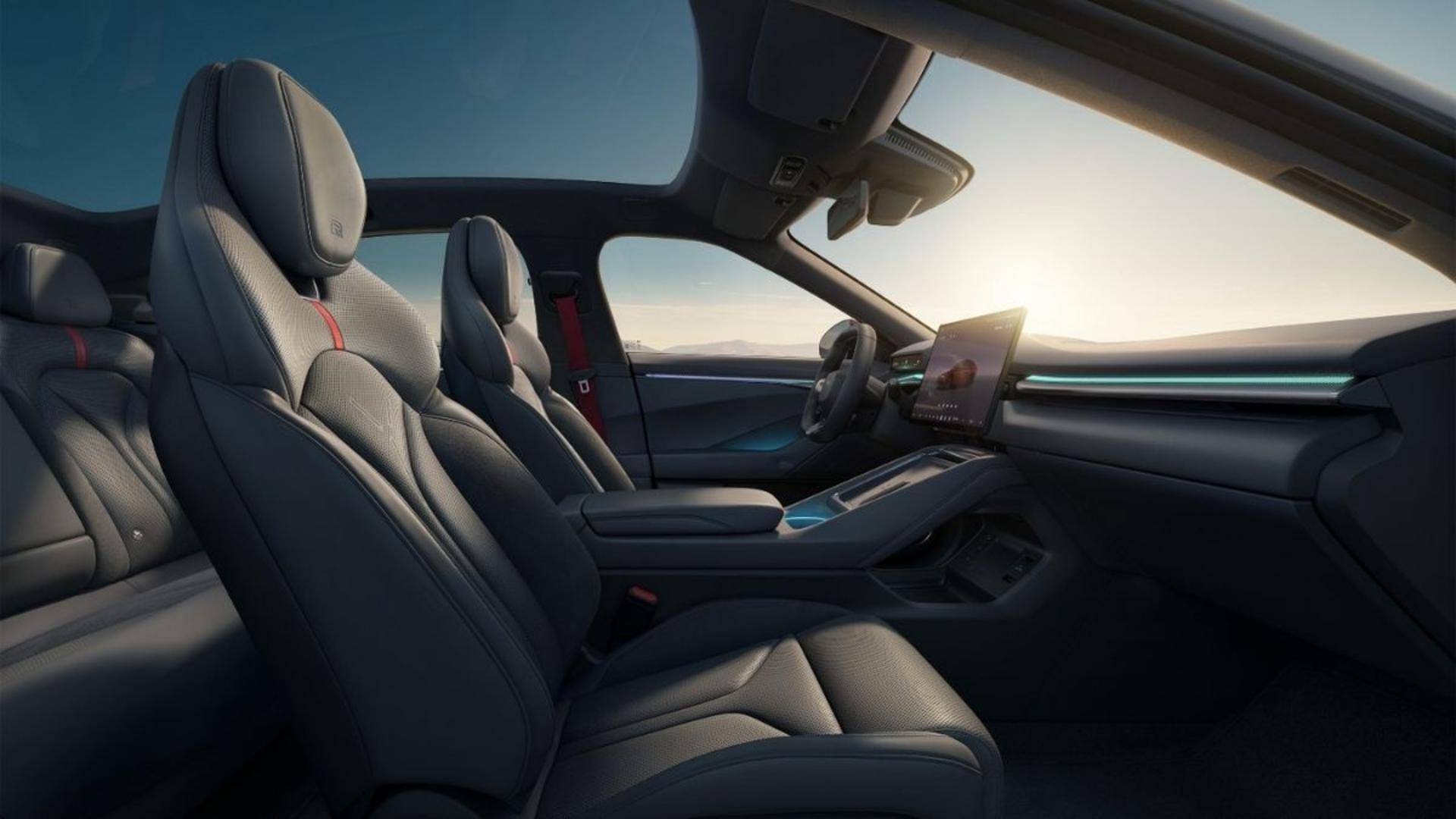
The interior is where Xpeng's philosophy of "technology first, car second" really shows itself.
The 10.25-inch digital instrument cluster presents information cleanly without visual noise. The central touchscreen runs Xpeng's 3D Xmart OS and responds quickly, with logical menus that don't require a manual to decipher. The "Hey XPENG" voice assistant handles natural language commands for navigation, climate, windows, range queries, and driving assistance, so you can keep your hands on the wheel and your eyes on the road.
But the details are what elevate the experience. Dynaudio paired with Dolby Atmos through the cabin audio system. Speakers built into the driver's headrest for navigation prompts and calls that don't intrude on the rest of the cabin. Two exterior speakers that double as a boombox when you're parked up with the tailgate open. A heated, multifunctional steering wheel. Wireless phone charging. Four USB ports so nobody fights over a cable. An electric tailgate 8.
None of this feels like technology bolted onto a car. It feels like technology that a car was built around. And that's the difference.
Space is genuinely generous. The rear seats accommodate adults comfortably. Legroom is more than adequate. The boot has enough cargo capacity for a family's weekend away. Front seats are supportive without being overly aggressive, exactly what you want in something you're going to drive every day, not just on Sundays.
The Elephant in The Room: The P7 Ultra is Not Confirmed for Australia
I need to address this directly. As of right now, Xpeng has not confirmed the P7 Ultra for the Australian market. The brand is present here through the pre-facelift G6 SUV via local distributor True EV and the facelift 2026 G6 directly through the Chinese HQ, and there's clearly appetite for more models, but official word on the P7 Ultra landing Down Under hasn't come yet.
But let me say this, and I mean it with every ounce of professional conviction I have, if this car does come to Australia, the premium sedan market will welcome it.
Think about what buyers currently spend on a BMW 7 Series, a Mercedes-Benz S-Class, or a Lexus LS. We're talking $150,000+ for a proper premium sedan experience of this size. Those are magnificent cars. I'm not here to disrespect them. But the P7 Ultra, even with significant mark-ups from its Chinese pricing of around CNY198,000 (roughly A$42,000 at current exchange rates), would still arrive at a fraction of that cost while offering technology those cars simply don't have.
And here's the crucial point, the buyers who walk into a Lexus or BMW showroom looking for a premium sedan aren't just buying leather and wood anymore. They're buying technology. They're buying an experience. And the P7 Ultra offers that experience in a way that feels native, integrated, and genuinely useful, not like a subscription service layered on top of a fundamentally mechanical product.
Xpeng has already demonstrated this in Europe, where its Net Promoter Score of 81 per cent in the DACH markets topped all Chinese brands surveyed, according to German research firm USCALE. Customers aren't just buying these cars. They're loving them. They're recommending them. And they're doing so at a price point that represents genuine value rather than cheapness.
That combination, premium experience, native technology, genuine value, is precisely what the Australian market is hungry for. We're a country that appreciates substance over badge snobbery. We just need the product to prove it deserves our attention. The P7 Ultra does exactly that.
The Bottom Line
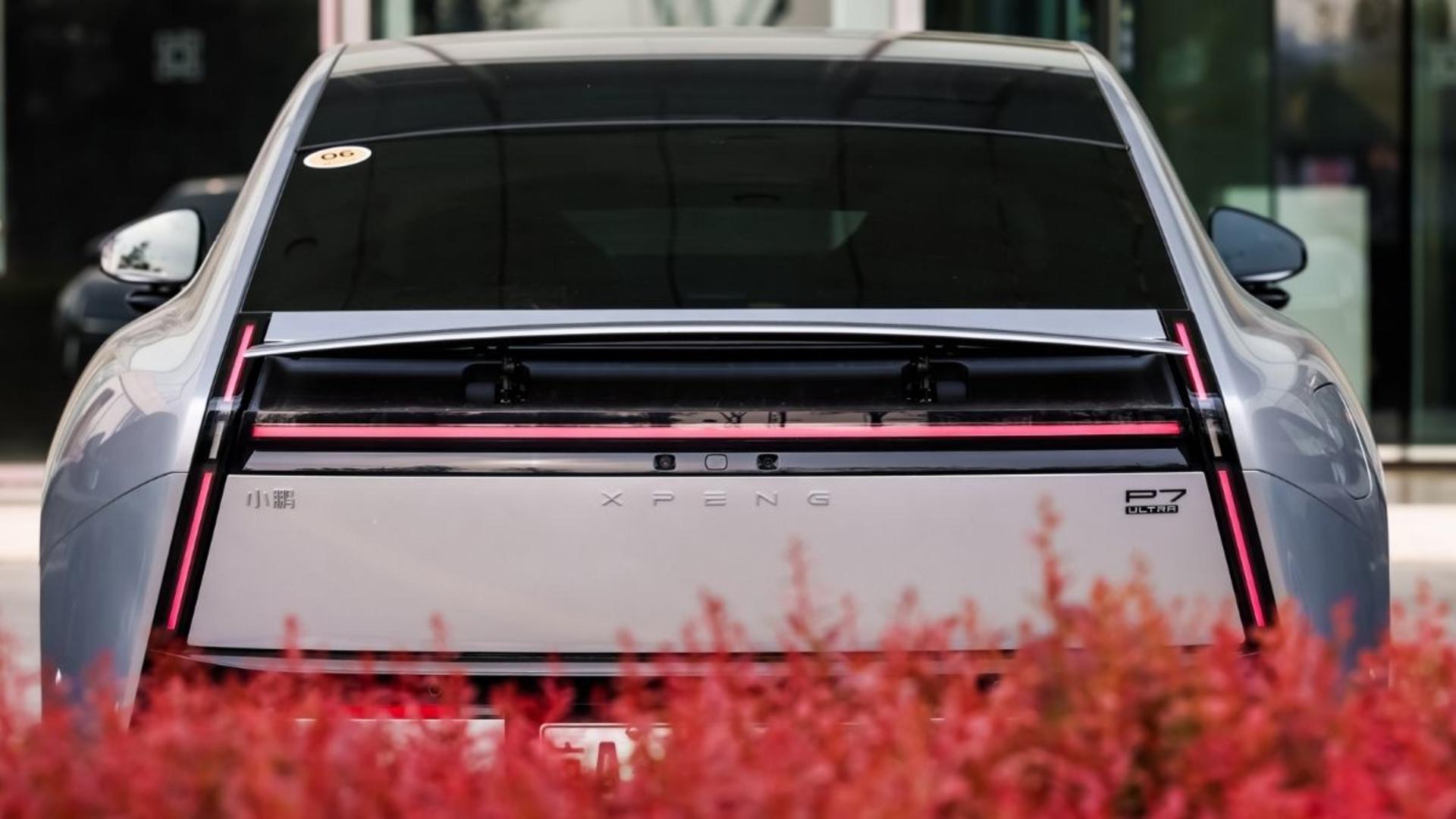
The 2026 Xpeng P7 Ultra is not what most people expect when they hear "Chinese electric car." It's not a budget play. It's not a volume strategy wrapped in a glossy body. It's the product of a technology company that has spent over a decade building AI systems, humanoid robots, flying cars, and its own silicon, and then channelled all of that into a vehicle that happens to be staggeringly good to drive, to sit in, and to live with.
Chinese car design hasn't just caught up. In the case of the P7 Ultra, it's setting the pace. And if you're the kind of buyer who judges a car by what it does rather than what's stamped on the boot lid, this is one you need to put on your radar.