
Best Value EVs Under $20,000 in Australia: The Used EV Buyer's Guide 2026
Let us be clear, there are currently no new electric vehicles available in Australia for under $20,000. The cheapest new EV on sale as at early 2026 is the BYD Atto 1 Essential at $23,990 before on-road costs. Under $20,000 means buyers are exploring the pre-owned EV market, and that is exactly where this guide focuses.
The good news is that the used EV market has become increasingly affordable in Australia. Increased new car competition in the sub $50,000 prices from Chinese brands offering more value, quality and safety than ever before, a broader choice of incoming models, and the early depreciation of first and second-generation EVs has created a buyers' market. For the right buyer, a used EV under $20,000 can provide years of economical, low-maintenance transport. For the wrong buyer, it can mean a battery replacement cost that exceeds the vehicle's value.
This guide covers the best used EVs available under $20,000, what to look for, what to avoid, and how to make sure your purchase does not become an expensive lesson.
Understanding the Used EV Market Under $20,000
Used EVs under $20,000 are primarily first and second-generation models from the 2015-2020 era. Battery technology during this period varied considerably in quality, and not all early EVs have aged gracefully. The key risk in this price bracket is battery degradation from earlier batteries: lithium-ion batteries lose capacity over time, and an EV with a 200km original WLTP range might deliver 130-150km in real-world use after several years. However, the majority of EVs out there show stable and minimal battery degradation in vehicles equipped with LFP batteries.
The golden rule for used EV buying is to always obtain a battery health report. Reputable dealers will provide this, car auctions like Manheim Australia often provide Aviloo EV health checks and honest private sellers should allow you to obtain one from a qualified EV technician before purchase. A battery at 85 per cent or above State of Health (SoH) is generally considered acceptable. Below 75 per cent, range will be noticeably compromised and the vehicle may not suit buyers who need reliable daily range.
With that essential caveat clearly stated, here are the best used EVs you can find for under $20,000 in Australia right now.
1. Nissan Leaf ZE1 (Second Generation, 2018-2022)
Typical market price: $14,000 to $20,000
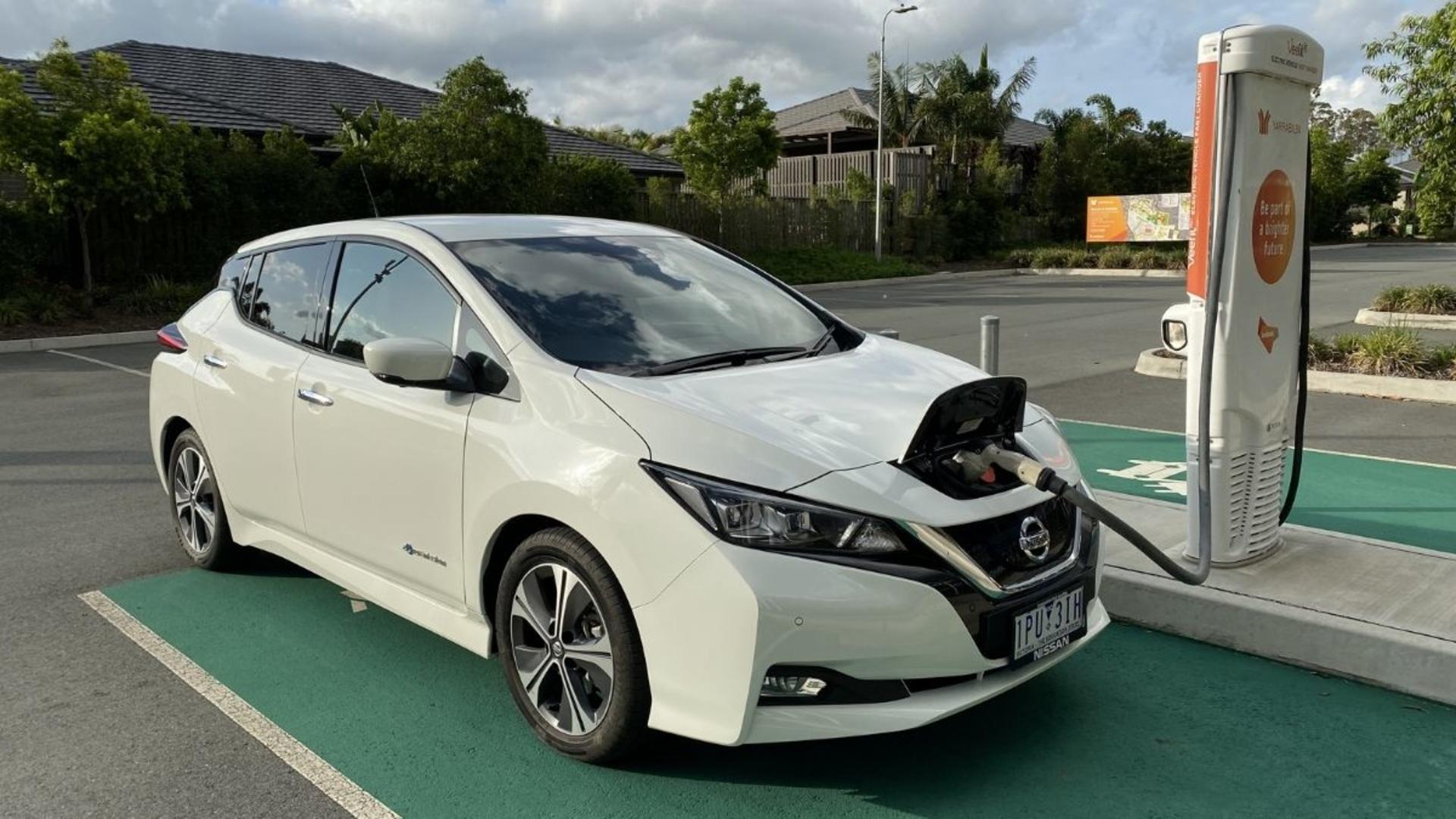
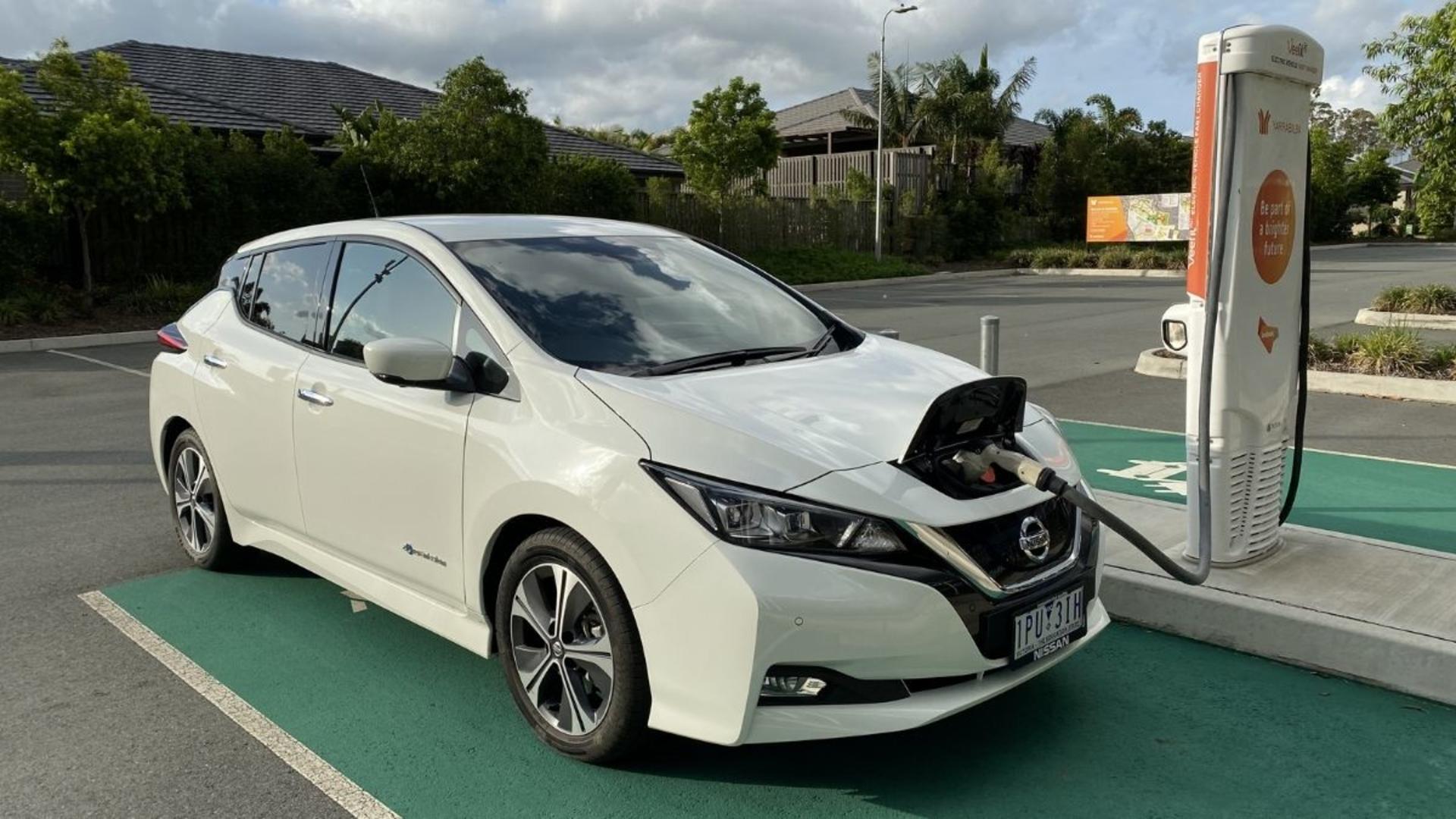
The Nissan Leaf is the world's best-selling electric car by cumulative sales, and the second-generation ZE1 model represents the most sensible used EV purchase in the sub-$20,000 bracket. Unlike the first-generation Leaf (which this guide advises against due to battery thermal management concerns discussed below), the ZE1 brought meaningful improvements in range, charging, and build quality.
The ZE1 launched with a 40kWh battery and a claimed range of 270km WLTP. Well-maintained examples with good battery health will still deliver 220-250km of real-world range, which is adequate for daily commuting and short regional trips. Higher-specification ZE1 models fitted with the larger 62kWh e+ battery are occasionally available in the $18,000 to $22,000 range; these offer significantly better range, typically 280-300km in real-world conditions even with some degradation.
If you are willing to take a punt on an auction bargain, I have seen examples sell through Manheim Australia's auctions across the country from as low as $7,500 for a 2019 example with 150,000km and occasionally ex-government examples with low kilometres sell for under $15,000.
The Leaf is a practical, well-built vehicle with a comfortable ride, a proper five-seat interior, and Nissan's ProPilot suite of driver-assistance technologies on higher specification variants.
The critical caveat: the ZE1 uses CHAdeMO DC fast-charging, a standard developed in Japan that has been largely superseded by CCS in Australia. CHAdeMO chargers remain available but are less common than CCS, and their number is not growing. If you rely on public DC fast-charging, this is a material limitation. For owners who charge primarily at home via AC and use DC fast-charging only occasionally, it remains workable.
At a Glance
| Specification | Detail |
|---|---|
| Original Battery | 40kWh (most models) / 62kWh (e+ variants) |
| Original WLTP Range | 270km (40kWh) / 385km (62kWh) |
| DC Charging Standard | CHAdeMO (less common than CCS) |
| AC Home Charging | 6.6kW |
| Key Concern | Battery health and CHAdeMO availability |
Best for: Home-based chargers with a sub-200km daily round trip, buyers who do not rely on public DC fast-charging.
2. Hyundai Ioniq Electric (AE, 2017-2020)
Typical market price: $16,000 to $22,000 (many examples fall below $20,000)
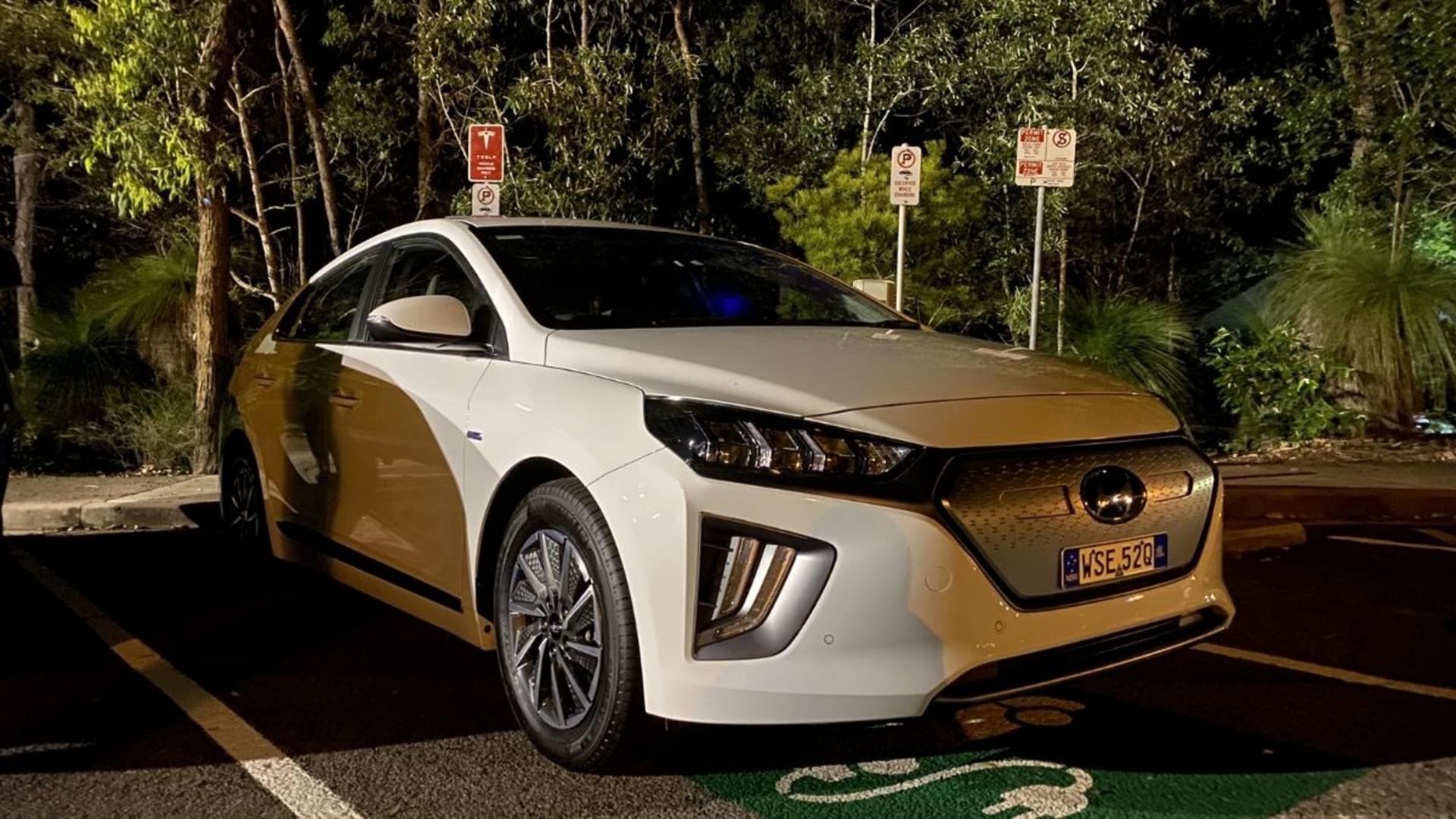
The Hyundai Ioniq Electric is, in many ways, the most underrated used EV in Australia. It received less attention than its stablemate the Kona Electric, yet in several respects it is the more sensible purchase for a cost-conscious used EV buyer.
The Ioniq Electric uses a 28kWh battery delivering a modest 200km WLTP range in official figures, though many owners report real-world range closer to 170-190km under normal conditions. That range is honest rather than exciting, and buyers who need more than 150km of daily driving should look elsewhere.
What the Ioniq Electric does exceptionally well is efficiency. It consistently ranks among the most energy-efficient EVs ever produced, measured in kWh per 100km, meaning running costs are genuinely low. Battery degradation in the Ioniq Electric has also proven to be manageable, with many examples maintaining good State of Health figures.
The car uses CCS DC fast-charging at up to 50kW, which is slower than more modern options but compatible with the vast majority of Australian DC fast-chargers. Home AC charging tops out at 7.2kW.
Look for examples with full Hyundai dealer service history and the original battery warranty paperwork. Hyundai provides an 8-year/160,000km battery warranty on EVs sold new in Australia, though transferability to subsequent owners should be verified with Hyundai Australia before purchasing.
At a Glance
| Specification | Detail |
|---|---|
| Battery | 28kWh |
| WLTP Range | 200km (real-world approx. 170-190km) |
| DC Charging Standard | CCS (50kW) |
| Notable Feature | Outstanding efficiency (kWh/100km) |
| Key Concern | Modest range. Check battery SoH before purchase |
Best for: Short commuters who want reliable, efficient transport. Particularly good value if purchasing from a Hyundai dealer with documented service history.
3. BMW i3 (2014-2020)
Typical market price: $16,000 to $22,000 for early models
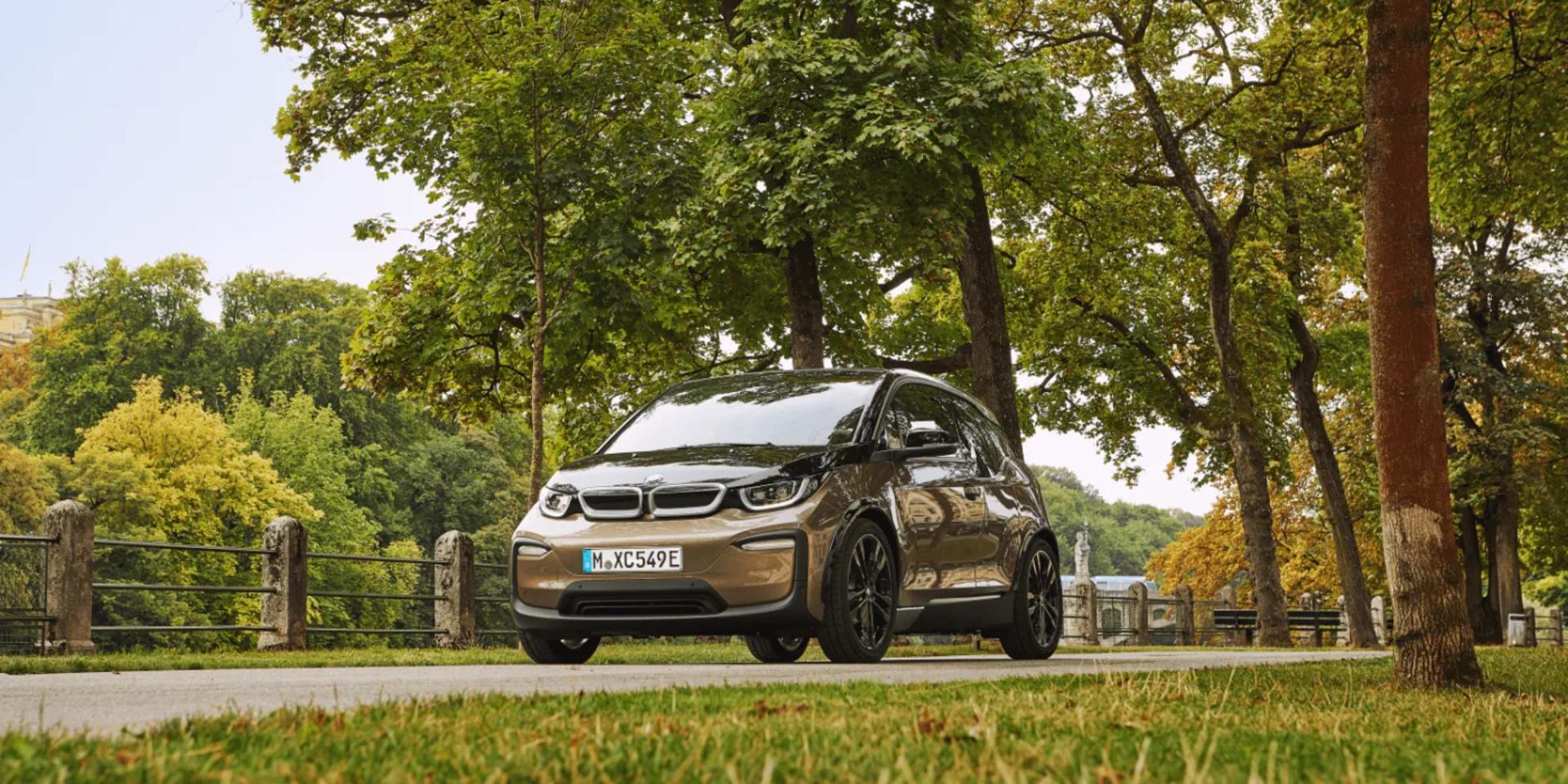
The BMW i3 is a genuinely fascinating used EV proposition in the sub-$20,000 bracket. It sits apart from the other vehicles on this list in almost every respect: its carbon-fibre reinforced plastic body structure, its narrow tyres, its distinctive interior trimmed in recycled and sustainable materials, and its rear-wheel drive electric drivetrain make it unlike anything else in this price range.
Early i3 models used a 22kWh battery for a very modest 130km WLTP range, and these are firmly city-car territory only. The more practical sweet spot is the post-2017 i3 with the 33kWh battery, which delivers approximately 200-220km of real-world range. The latest i3 120Ah variant (2018 onwards), with its 42.2kWh battery, stretches to 260-280km in practice.
The i3 drives beautifully. BMW's suspension tuning, combined with rear-wheel drive and immediate electric torque delivery, makes it the most engaging car on this list to drive in urban conditions. The narrow tyres feel unusual initially but are part of BMW's strategy to reduce rolling resistance and improve efficiency.
The key consideration for used i3 buyers is parts and service availability. BMW i3 parts are available through BMW Australia's dealer network, but some components are unique to this vehicle and costs can be higher than for volume market EVs. Ensure your chosen car has a documented service history and budget for the possibility of non-standard repair costs.
At a Glance
| Specification | Detail |
|---|---|
| Battery Options | 22kWh / 33kWh / 42.2kWh (generation dependent) |
| Practical Range | 120-280km depending on variant and battery health |
| DC Charging Standard | CCS (50kW) |
| Drive Wheels | Rear-wheel drive |
| Key Concern | Parts cost and range on early models; verify variant before purchase |
Best for: Urban drivers who appreciate something genuinely different, buyers who prioritise driving enjoyment. Target 2017-onwards models with the 33kWh or larger battery.
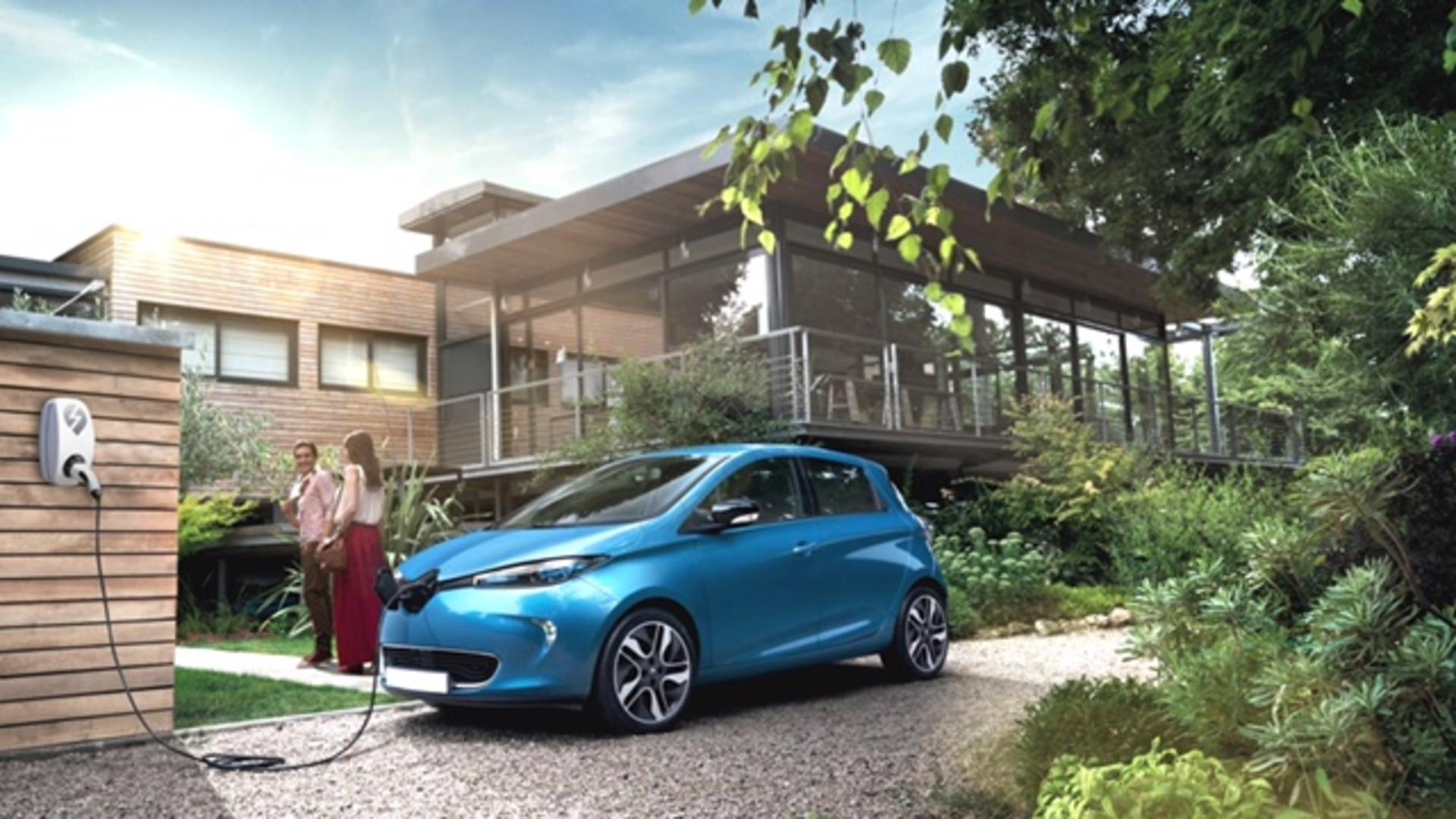
4. Renault Zoe (2019-2021)
Typical market price: $15,000 to $20,000
The Renault Zoe was one of Europe's best-selling electric vehicles for much of the previous decade, and a small but worthwhile number of examples have made their way to Australia. For buyers who can find one with a clean history and good battery health, the Zoe offers excellent value.
The Z50 variant, sold from 2019, uses a 52kWh battery for a 395km WLTP range. Real-world range is typically around 300km under mixed conditions, which is significantly better than most alternatives in this price bracket. The Zoe uses the CCS2 charging standard compatible with the majority of Australian CCS chargers, and supports up to 50kW DC fast-charging.
The main caveat for Australian Zoe buyers is the limited dealer service network. Renault's EV servicing capability varies by dealership, and some independent mechanics are unfamiliar with the platform. Confirming ongoing service arrangements before purchase is important.
For buyers comfortable bidding at auctions, I spotted a low kilometre ZOE sell through Manheim Australia's Altona North site mid last year for under $10,000 which was exceptional value.
At a Glance
| Specification | Detail |
|---|---|
| Battery | 52kWh (Z50 variant) |
| WLTP Range | 395km (real-world approx. 280-320km) |
| DC Charging Standard | CCS (50kW) |
| Key Concern | Limited Australian service network; confirm service access before buying |
Best for: Buyers who want the best range-for-money of any sub-$20,000 EV and who have access to a Renault-competent service centre.
What to Avoid: First-Generation Nissan Leaf (ZE0, 2012-2017)
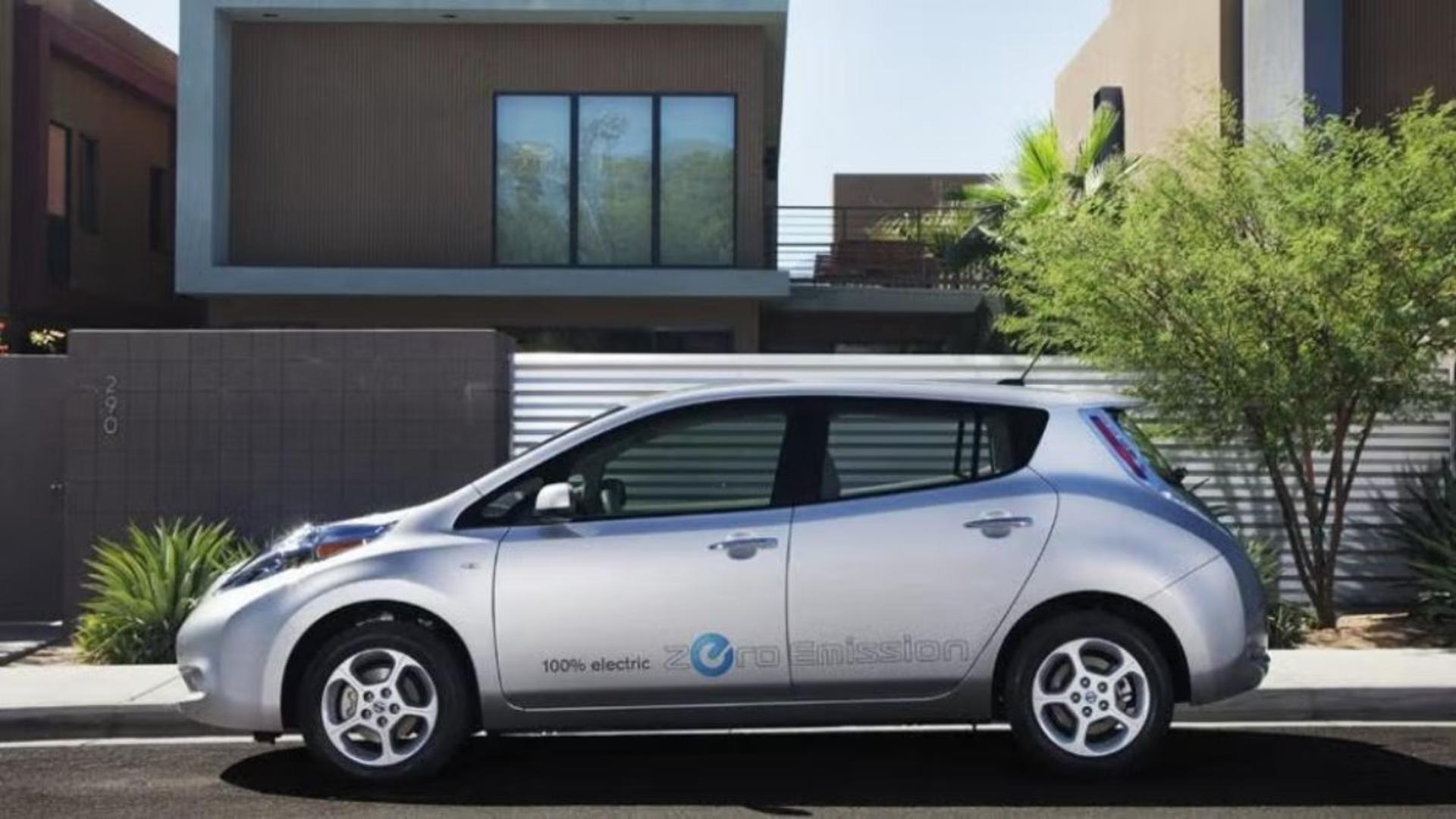
The original-generation Nissan Leaf is available in Australia from as little as $5,000-$8,000 and is sometimes presented as an entry point into EV ownership. For most buyers, this guide recommends strongly against it.
The original Leaf's battery management system lacks active thermal regulation. In Australia's climate, particularly in warmer states, this has resulted in accelerated battery degradation in many examples. A vehicle that once offered 160km of range may now struggle to deliver 80-100km reliably. Without knowing the battery's current State of Health, you are taking on significant risk.
Unless you are purchasing from a trusted source with documented battery health data showing 80 per cent or better State of Health, and you need only 80km or less of daily range, the first-generation Leaf is a gamble that most buyers in this price range should avoid.
Used EV Buyer's Checklist
- Request a battery State of Health (SoH) report before finalising any purchase. Target 85 per cent SoH or above.
- Verify the remaining warranty coverage, particularly the battery warranty. Check transferability with the manufacturer's Australian office.
- Check the charging standard. CCS is the preferred standard for public DC fast-charging in Australia. CHAdeMO chargers exist but are declining in number.
- Research the service network. Ensure a reputable EV-capable workshop or authorised dealer is within reasonable distance.
- Ask for full service history and a report of any previous battery reconditioning or replacement.
- Factor in the cost of home charging installation if you have not already set it up. Add $800 to $1,500 to your budget.
- Consider the total cost of ownership, not just the purchase price. An EV with a compromised battery can incur battery replacement costs of $10,000-$20,000 or more.
The Bottom Line
Sub-$20,000 EV ownership in Australia is achievable and, in the right circumstances, genuinely excellent value. The Nissan Leaf ZE1 is the most widely available option with a known track record. The Hyundai Ioniq Electric stands out for efficiency and reliability. The BMW i3 offers a unique driving experience for urban enthusiasts. The Renault Zoe (where available) offers the best range in the bracket.
The key to buying well in this segment is information. Request battery health data, verify service history, and do not be tempted by a low purchase price that obscures a compromised battery. A used EV purchased carefully in this bracket can deliver years of reliable, inexpensive transport. Purchased carelessly, it can deliver an expensive lesson in due diligence.
More Blogs For You


← Swipe →